
Radiologic Technology Bachelor's at Austin Peay State University
Earn your Radiologic Technology/Science - Radiographer Bachelor's degree, usually 4 years in-person at Austin Peay State University, and launch a stable healthcare career.

By Ryan Taylor
Austin Peay State University (APSU) in Clarksville, Tennessee, offers a Bachelor of Science in Radiologic Technology that prepares students for a dynamic career in medical imaging. This four-year, in-person program combines rigorous coursework with extensive clinical training, positioning graduates for roles as radiographers who perform diagnostic imaging examinations. The degree is designed for students who want a comprehensive education that includes not only radiographic procedures but also advanced modalities, patient care, and professional development. With a curriculum that emphasizes hands-on experience and critical thinking, APSU's radiologic technology program is an excellent choice for those seeking a stable and rewarding career in healthcare.
Program Overview and Structure
The Radiologic Technology/Science - Radiographer Bachelor's degree at Austin Peay State University is a four-year program that typically requires full-time, in-person attendance. The curriculum is structured to provide a solid foundation in the basic sciences, followed by specialized radiologic technology courses and clinical rotations. Students begin with general education requirements and prerequisite courses in subjects such as anatomy, physiology, and algebra, before progressing to the professional phase of the program.
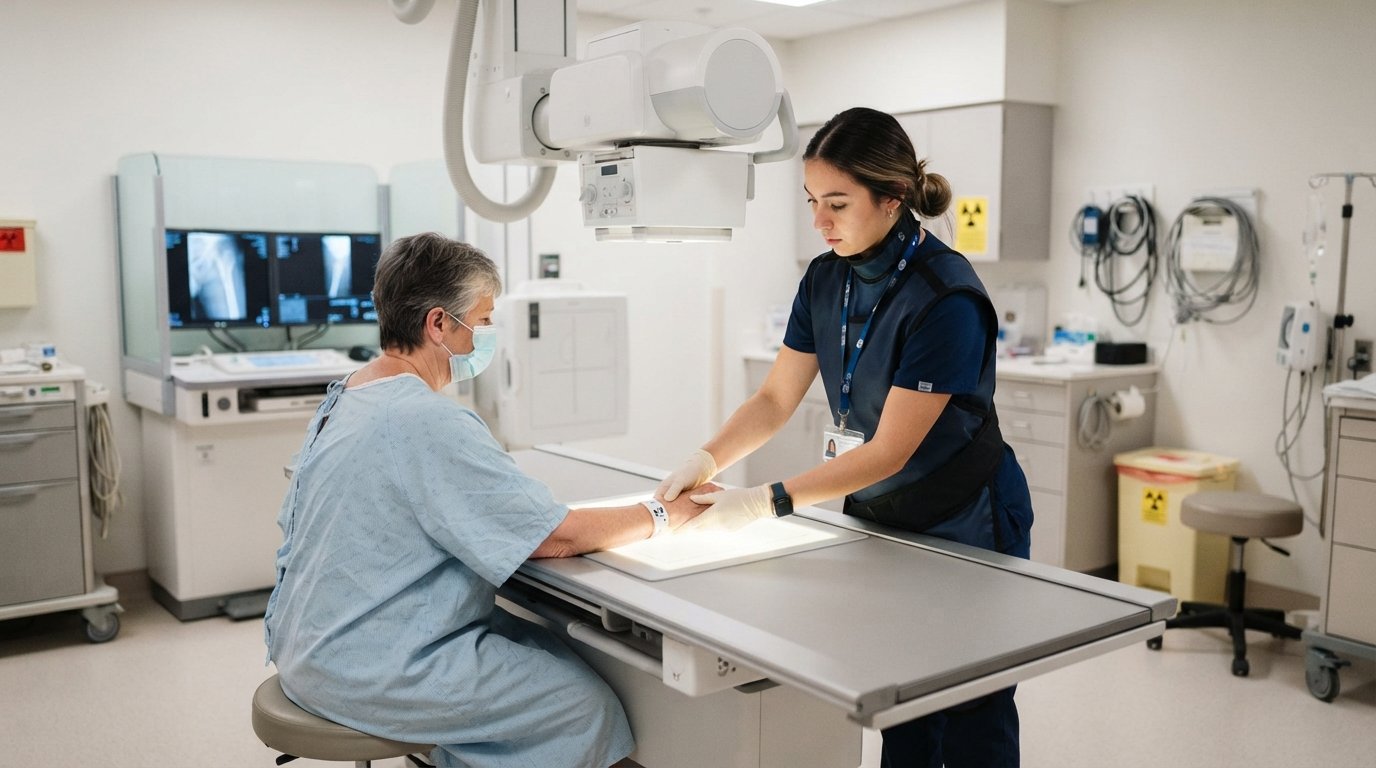
The professional phase includes courses in radiation physics, radiographic procedures, image production, and patient care. Clinical education is a cornerstone of the program, with students completing supervised clinical rotations in affiliated hospitals and imaging centers. These rotations allow students to apply classroom knowledge in real-world settings, develop technical skills, and gain confidence in patient interactions. The program is designed to be completed in four years, but students may take longer if they need to complete prerequisites or choose a part-time schedule.
A key benefit of earning a bachelor's degree in radiologic technology is the broader career preparation it provides compared to associate-level programs. Graduates are eligible to sit for the American Registry of Radiologic Technologists (ARRT) certification exam and are well-prepared for advanced roles or further education in modalities such as computed tomography (CT), magnetic resonance imaging (MRI), or mammography. The program's in-person format ensures that students receive direct mentorship from faculty and clinical instructors, which is invaluable for skill development.
Admission Requirements and Application Process
Admission to the radiologic technology program at APSU is competitive and involves a multi-step process. Prospective students must first be admitted to the university and then apply separately to the radiologic technology program. The program has specific prerequisites, including completion of certain college-level courses with a minimum grade point average. Applicants are also required to complete observation hours in a radiology department and submit letters of recommendation. The application process typically includes an interview and a written essay.
To strengthen your application, it is important to demonstrate a strong academic record, especially in science and math courses. Relevant volunteer or work experience in a healthcare setting can also enhance your candidacy. The program's admission committee looks for well-rounded candidates who show a commitment to the field and a understanding of the responsibilities of a radiographer. Because the program is in-person, applicants should also consider their ability to attend classes and clinical rotations in the Clarksville area.
For students exploring other healthcare or science-related degrees, it may be helpful to compare programs and pathways. For instance, understanding the structure of a Bachelor of Science in Criminal Justice degree guide can provide a useful contrast in how professional programs are organized, even though the fields are different. This kind of comparison can help you make informed decisions about your educational journey.
Curriculum and Clinical Education
The curriculum of the radiologic technology program at APSU is comprehensive and designed to meet the standards of the Joint Review Committee on Education in Radiologic Technology (JRCERT). The professional courses are sequenced over the final two years and include both classroom instruction and clinical practice. Students take courses such as Radiographic Procedures I and II, Radiation Protection, and Advanced Imaging Modalities. The clinical component requires students to complete a specified number of hours in a variety of clinical settings, ensuring exposure to different patient populations and imaging equipment.
Clinical rotations are typically scheduled during daytime hours and may require travel to affiliated sites. Students are supervised by licensed radiographers and clinical instructors who evaluate their progress. The program also includes a capstone course or seminar that helps students prepare for the ARRT exam and transition into professional practice. The in-person nature of the program allows for immediate feedback and hands-on learning, which is essential for mastering radiographic positioning and patient safety.
In addition to technical skills, the curriculum emphasizes communication, ethics, and patient care. Students learn how to interact with patients of all ages and backgrounds, ensuring that they can provide compassionate care. The program also covers healthcare regulations and quality assurance, preparing graduates to work effectively in diverse healthcare environments.
Career Outcomes and Certification
Graduates of the program are eligible to apply for certification by the ARRT, which is required for practice in most states. Upon passing the exam, graduates can work as radiologic technologists in hospitals, clinics, physician offices, and imaging centers. The demand for radiologic technologists is expected to remain strong due to an aging population and advances in medical imaging technology. According to the U.S. Bureau of Labor Statistics, employment of radiologic technologists is projected to grow faster than the average for all occupations.
Career opportunities for radiographers are diverse. They may specialize in areas such as CT, MRI, mammography, or interventional radiology, often pursuing additional certification and training. Some radiographers advance into supervisory, education, or management roles. The bachelor's degree provides a competitive edge for those seeking advancement or specialized positions. For those interested in exploring various career paths and their educational requirements, resources like careers.org offer valuable insights into different professions and training routes.
Salaries for radiologic technologists vary by location, experience, and specialization. The median annual wage for radiologic technologists was $61,900 in May 2020, with the highest 10 percent earning more than $89,000. Graduates of APSU's program are well-prepared to enter this growing field and build a rewarding career.
Why Choose Austin Peay State University?
Austin Peay State University offers a supportive learning environment with experienced faculty who are dedicated to student success. The radiologic technology program is accredited by JRCERT, ensuring that graduates meet national standards and are eligible for certification. The university's location in Clarksville, near Nashville and Fort Campbell, provides access to a variety of clinical sites and a strong healthcare community. The in-person format fosters collaboration and networking among students and faculty.
The program also emphasizes professional development and lifelong learning. Students are encouraged to participate in professional organizations and continuing education opportunities. The university provides resources such as academic advising, tutoring, and career services to help students navigate their educational journey and achieve their goals.
For students who are considering a bachelor's degree in radiologic technology, APSU's program stands out for its comprehensive curriculum, clinical partnerships, and commitment to excellence. Graduates leave with the skills, knowledge, and credentials needed to succeed in the field of medical imaging.
Financial Aid and Affordability
Understanding the cost of a bachelor's degree is important for planning your education. Austin Peay State University offers various financial aid options, including scholarships, grants, loans, and work-study programs. Students are encouraged to complete the Free Application for Federal Student Aid (FAFSA) to determine their eligibility for federal and state aid. The university also offers institutional scholarships specifically for students in the radiologic technology program.
In addition to traditional financial aid, prospective students should explore external scholarship opportunities from professional organizations, such as the American Society of Radiologic Technologists (ASRT) Foundation. These scholarships can help offset tuition and fees. The university's financial aid office provides personalized assistance to help students navigate the application process and identify funding sources.
When comparing programs, consider the total cost of attendance, including tuition, fees, books, and clinical travel expenses. While a bachelor's degree may require a larger investment than an associate degree, it can lead to greater career opportunities and higher earning potential over time. APSU's program is competitively priced, and financial aid can make it more affordable.
Steps to Apply and Enroll
If you are interested in the radiologic technology program at APSU, follow these steps to apply:
- Apply to Austin Peay State University: Complete the undergraduate admissions application and submit required transcripts and test scores.
- Complete Prerequisite Courses: Ensure you have completed the required prerequisite courses with a competitive GPA.
- Apply to the Radiologic Technology Program: Submit the program application, including observation hours, letters of recommendation, and a personal essay.
- Interview: If selected, participate in an interview with program faculty.
- Enroll and Begin Classes: Once accepted, confirm your enrollment and attend orientation.
It is important to meet all deadlines and maintain communication with the program advisor throughout the process. The program has limited enrollment, so early application is encouraged. For students who need to complete prerequisites, consider taking courses at a community college to reduce costs before transferring to APSU.
Overall, the Radiologic Technology/Science - Radiographer Bachelor's degree at Austin Peay State University is a solid investment in your future. With a blend of theory and practice, dedicated faculty, and strong career prospects, it prepares you for a fulfilling career in healthcare. Whether you are a recent high school graduate or a career changer, this program offers a pathway to a stable and in-demand profession.