
Baldwin Wallace Psychology: Research and Experimental BA
Explore the Research and Experimental Psychology, Other Bachelor's degree, usually 4 years In-person at Baldwin Wallace University and gain hands-on research skills.

By Alex Jordan
What if you could turn your curiosity about human behavior into a rigorous, research-driven skill set that employers and graduate schools actually value? That is exactly the promise of the Research and Experimental Psychology, Other Bachelor's degree, usually 4 years In-person at Baldwin Wallace University. This program is not a generic psychology degree; it is a specialized pathway designed for students who want to understand how the mind works through data, experiments, and systematic inquiry. If you are considering a career in research, academia, or any field that demands analytical thinking, this Baldwin Wallace offering deserves a close look.
In this article, we will break down what this degree entails, who it is for, what you will learn, and how it can shape your career. We will also explore admission requirements, financial aid, and how CollegeDegree.Education can help you compare this program with other options. Whether you are a high school student planning your next step or a working adult considering a career change, this guide will give you the clarity you need to make an informed decision.
What Is a Research and Experimental Psychology Degree?
Research and experimental psychology is a branch of psychology that focuses on the scientific study of behavior and mental processes. Unlike clinical psychology, which emphasizes therapy and mental health treatment, experimental psychology is about designing studies, collecting data, and drawing conclusions that advance our understanding of how people think, feel, and act. A bachelor's degree in this field, often labeled as "Research and Experimental Psychology, Other," prepares students for roles that require strong analytical skills, attention to detail, and the ability to interpret complex information.
At Baldwin Wallace University, this program is delivered in person over four years, giving students hands-on access to labs, faculty mentors, and collaborative research projects. The "Other" designation in the degree title indicates that the curriculum may cover a broad range of experimental topics rather than a narrow specialization. This flexibility is a strength: it allows you to explore different areas of psychology, from cognitive processes to social behavior, while building a solid foundation in research methods and statistics.
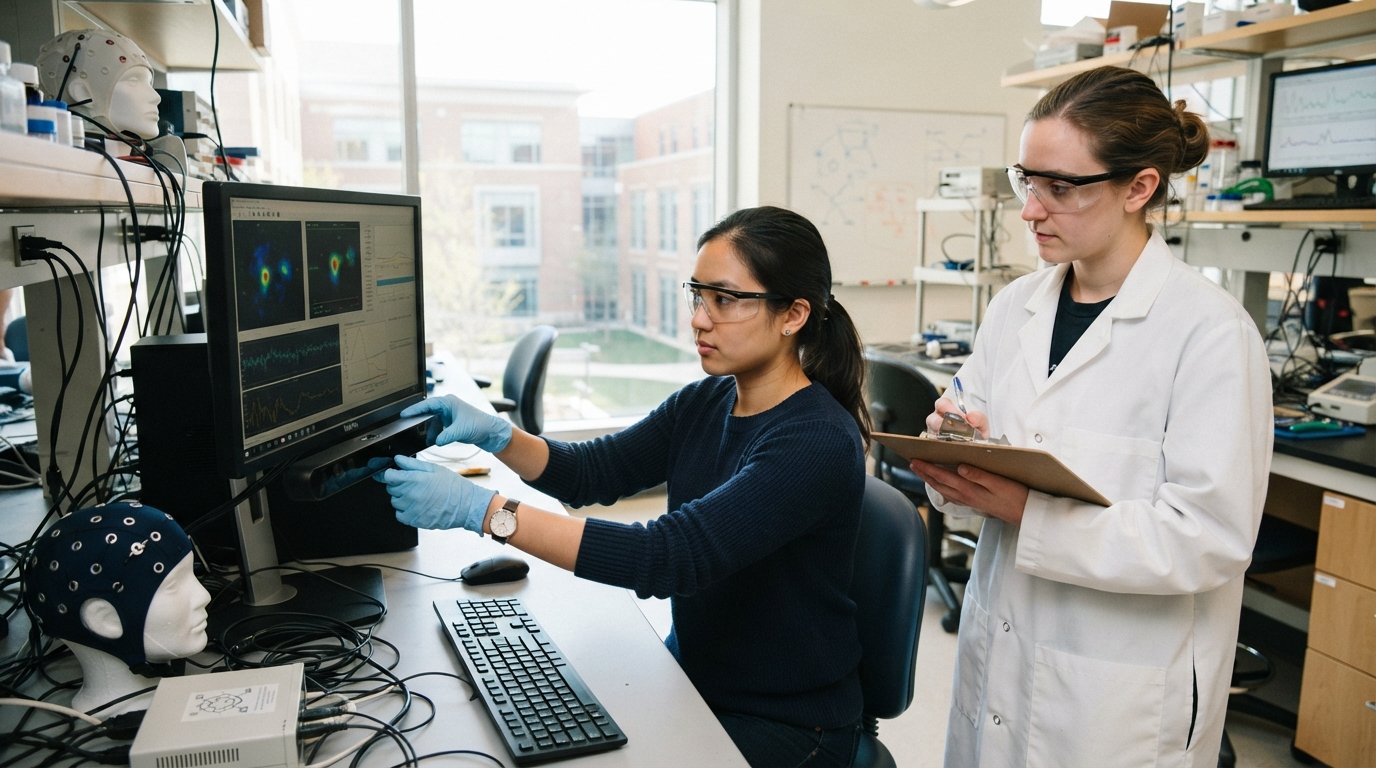
Students in this program often take courses in experimental design, data analysis, neuroscience, and advanced statistics. They also complete capstone projects or independent research, which are invaluable for building a portfolio for graduate school or entering the workforce. The in-person format at Baldwin Wallace ensures that you have direct access to professors who are active researchers, something that can be a major advantage when applying for competitive graduate programs or research positions.
Why Choose Baldwin Wallace University for This Degree?
Baldwin Wallace University, located in Berea, Ohio, is a private liberal arts institution known for its strong emphasis on experiential learning and personalized attention. The university's psychology department offers a supportive environment where students can engage in meaningful research from early in their academic journey. The in-person format of this degree means you will benefit from face-to-face interactions with faculty, participate in lab meetings, and collaborate with peers on research projects, all of which are critical for developing the skills employers and graduate schools seek.
One of the standout features of Baldwin Wallace is its commitment to undergraduate research. Students often have opportunities to present their work at conferences, co-author papers with faculty, and gain practical experience that goes beyond the classroom. For a field like experimental psychology, this kind of hands-on involvement is essential. It also helps you build a network of mentors and peers who can support your career development.
Additionally, Baldwin Wallace offers a range of support services, including career counseling, internship placement, and academic advising. These resources can help you tailor your degree to your specific goals, whether you want to pursue a PhD in psychology, work in a research lab, or apply your skills to fields like marketing, user experience, or data analysis.
What Will You Learn in a Research and Experimental Psychology Program?
The curriculum for this degree is designed to give you a comprehensive understanding of both the science of psychology and the methods used to study it. You will likely take foundational courses in general psychology, developmental psychology, and social psychology, alongside more specialized courses in experimental design, statistics, and research methods. As you progress, you may have the opportunity to choose electives that align with your interests, such as cognitive psychology, neuroscience, or industrial-organizational psychology.
Here is a sample of the core skills and knowledge areas you can expect to develop:
- Research design and methodology: Learn how to formulate hypotheses, design experiments, and control variables to ensure valid results.
- Statistical analysis: Gain proficiency in statistical software and techniques used to analyze data, such as SPSS, R, or Python.
- Critical thinking and problem-solving: Develop the ability to evaluate evidence, identify biases, and draw logical conclusions.
- Scientific writing and communication: Practice writing research reports, presenting findings, and communicating complex ideas clearly.
- Ethical considerations in research: Understand the ethical standards that govern human and animal research, including informed consent and confidentiality.
These skills are highly transferable. Even if you do not pursue a career in psychology, the ability to think critically, analyze data, and communicate effectively is valuable in almost any field. Many graduates go on to work in research, education, healthcare, business, and technology, where they apply their training to solve real-world problems.
Admission Requirements and How to Apply
Admission to Baldwin Wallace University is competitive but accessible. For the Research and Experimental Psychology, Other Bachelor's degree, you will need to meet the university's general admission requirements, which typically include a high school diploma or equivalent, a minimum GPA, and standardized test scores (though Baldwin Wallace is test-optional for many applicants). You will also need to submit an application, transcripts, and possibly a personal essay or letters of recommendation.
The application process is straightforward, but it is important to stay organized and meet deadlines. Here are the typical steps:
- Complete the online application: You can apply through the Baldwin Wallace website or the Common App.
- Submit official transcripts: Request transcripts from your high school and any colleges you have attended.
- Provide test scores (optional): If you choose to submit SAT or ACT scores, ensure they are sent directly to the university.
- Write a personal statement: Use this opportunity to explain why you are interested in experimental psychology and how Baldwin Wallace fits your goals.
- Submit letters of recommendation: Ask teachers or counselors who can speak to your academic abilities and character.
Once your application is complete, you may be invited for an interview or asked to provide additional materials. Baldwin Wallace admissions counselors are available to guide you through the process, so do not hesitate to reach out with questions. It is also a good idea to visit campus, meet faculty, and tour the psychology labs to get a feel for the program.
Career Paths and Graduate School Options
A bachelor's degree in Research and Experimental Psychology opens up a variety of career paths. While some graduates choose to enter the workforce directly, many pursue advanced degrees in psychology or related fields. If you are interested in becoming a licensed psychologist or conducting independent research, a master's or doctoral degree is usually required. Baldwin Wallace's program is designed to prepare you for these next steps by providing a strong foundation in research methods and statistics.
Graduates with this degree often find employment in settings such as:
- Research assistantships: Working in university labs, hospitals, or private research organizations.
- Human resources and organizational development: Applying psychological principles to improve workplace productivity and employee well-being.
- Market research and consumer behavior: Using experimental methods to understand consumer preferences and inform marketing strategies.
- Data analysis and consulting: Leveraging statistical skills to analyze data and provide insights for businesses and nonprofits.
- Education and teaching: Working as a research coordinator, lab manager, or educator in schools and community organizations.
For those considering graduate school, Baldwin Wallace's faculty can provide mentorship and guidance throughout the application process. The university also offers resources like the Career Center, which can help you find internships, build your resume, and connect with alumni working in your field of interest. If you are exploring other psychology pathways, such as clinical psychology, you might find our guide on clinical psychology degree career paths helpful for comparing options.
It is also worth noting that the skills you gain in this program are in demand across industries. According to the Bureau of Labor Statistics, employment of psychologists is projected to grow, and research roles in particular require strong analytical and methodological training. By earning this degree, you position yourself for a range of opportunities in a rapidly changing job market.
Financial Aid and Affordability
Paying for college is a major concern for many students and families. Baldwin Wallace University offers a variety of financial aid options, including scholarships, grants, loans, and work-study programs. The university's financial aid office can help you explore these options and determine your eligibility. It is important to complete the Free Application for Federal Student Aid (FAFSA) as early as possible to maximize your chances of receiving need-based aid.
In addition to federal and state aid, Baldwin Wallace offers merit-based scholarships for academic achievement, leadership, and community service. Some scholarships are specifically for students in the sciences, so be sure to check the university's scholarship directory. You can also look for external scholarships from professional organizations, community groups, and private foundations. Many psychology-related organizations offer scholarships for students pursuing research careers.
If cost is a concern, consider starting at a community college and transferring to Baldwin Wallace, or exploring online programs for some of your general education requirements. However, keep in mind that the in-person, lab-based nature of this degree means that most of your major coursework will need to be completed on campus. For more information on careers and how to navigate the job market after graduation, you can visit Careers.org, which offers resources on career planning and job search strategies.
How CollegeDegree.Education Can Help You Compare Programs
Choosing the right degree program is a big decision, and it helps to have a tool that simplifies the process. CollegeDegree.Education is an educational matching service that connects prospective students with accredited colleges, universities, and degree programs. Our platform allows you to compare sponsored programs across various fields, including psychology, and request information from schools that interest you. We do not list every school in the U.S., but we work with a network of accredited institutions to help you find options that fit your goals and budget.
Using CollegeDegree.Education, you can filter programs by academic level, field of study, and format (online or on-campus). You can also read detailed guides on financial aid, career outlooks, and application steps. Our goal is to make the search process less overwhelming and more transparent. If you are interested in Baldwin Wallace's Research and Experimental Psychology program, you can use our tools to learn more about it and see how it compares to similar programs at other institutions. Remember that featured placements are influenced by our partnerships with schools, but we are committed to providing helpful, accurate information so you can make an informed choice.
Is This Degree Right for You?
Deciding whether to pursue a Research and Experimental Psychology degree depends on your interests and career goals. If you enjoy solving puzzles, analyzing data, and understanding why people behave the way they do, this field could be a great fit. It is also a good choice if you are considering graduate school in psychology or a related field, as the research experience you gain will make you a stronger candidate. On the other hand, if you are primarily interested in providing therapy or counseling, you may want to explore clinical or counseling psychology programs instead.
It is also important to consider the format and location. The in-person, four-year format at Baldwin Wallace offers a traditional college experience with direct access to faculty and labs. If you need more flexibility, you might look for online or hybrid programs, though these may not offer the same level of hands-on research training. Baldwin Wallace's program is ideal for students who thrive in a structured, supportive environment and who are ready to engage deeply with the scientific study of behavior.
Finally, think about the return on investment. A degree in experimental psychology can lead to a variety of careers, but some paths require advanced degrees. Talk to professionals in the field, shadow researchers, and explore your interests before committing. Baldwin Wallace's faculty and career counselors can help you explore these options and make a plan that aligns with your strengths and aspirations.
In summary, the Research and Experimental Psychology, Other Bachelor's degree, usually 4 years In-person at Baldwin Wallace University is a rigorous and rewarding program for students who want to understand the science of the mind. With strong faculty mentorship, hands-on research opportunities, and a supportive campus community, Baldwin Wallace offers a solid foundation for a career in research, academia, or beyond. If this sounds like the right path for you, start by exploring the program on Baldwin Wallace's website and using CollegeDegree.Education to compare your options. Your future in psychology begins with a single step.