
DePaul Animation and VFX Bachelor's Degree Guide
Explore DePaul's in-person Animation, Interactive Technology, Video Graphics, and Special Effects Bachelor's degree, a 4-year program blending art and tech for creative careers.

By Ethan Clark
What if the characters, worlds, and interfaces you imagine could become a career? At DePaul University, the Animation, Interactive Technology, Video Graphics, and Special Effects Bachelor's degree, usually 4 years In-person at DePaul University, turns that question into a structured plan. This Chicago-based program blends traditional art fundamentals with cutting-edge digital production, preparing students for roles in film, games, advertising, and emerging media. If you are a high school student, a career changer, or a working adult exploring creative technology, understanding what this degree offers can help you decide whether it fits your goals and how to prepare for admission.
Program Overview and Curriculum
The Animation, Interactive Technology, Video Graphics, and Special Effects Bachelor's degree, usually 4 years In-person at DePaul University, is housed within the university's College of Computing and Digital Media (CDM). The program is designed for students who want to create compelling visual content across multiple platforms, from animated shorts and feature films to interactive installations and video game graphics. Coursework emphasizes both artistic expression and technical proficiency, ensuring graduates leave with a portfolio that demonstrates range and depth.
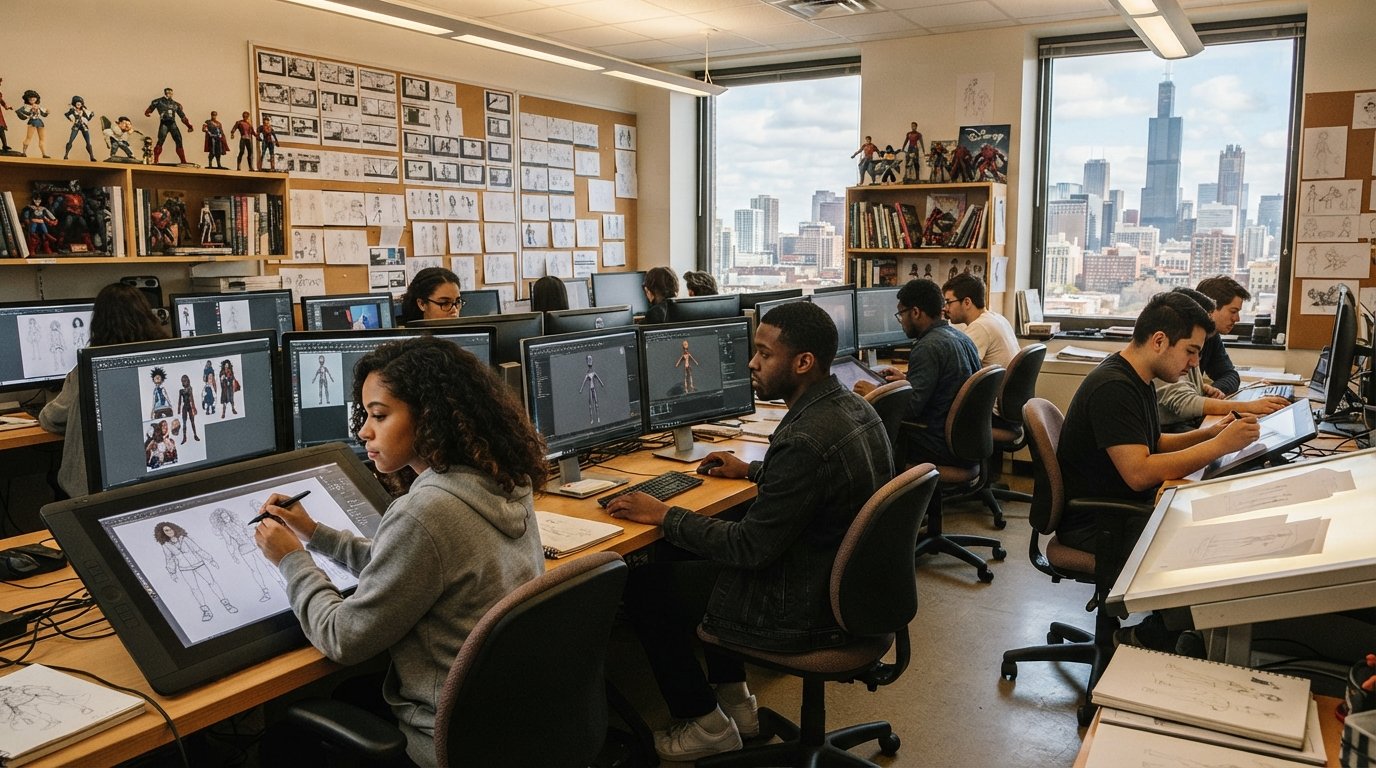
The curriculum typically begins with foundational courses in drawing, design, and digital imaging. Students then progress to specialized topics such as 3D modeling, animation principles, compositing, motion graphics, and visual effects. Because the degree is delivered in person, students benefit from access to dedicated labs, motion capture facilities, and collaborative studio environments. The four-year structure allows for a gradual build-up of skills, with each year adding more complex projects and opportunities for specialization.
In addition to technical courses, the program includes general education requirements that sharpen communication, critical thinking, and problem-solving abilities. These are essential for creative professionals who must pitch ideas, work in teams, and adapt to evolving technologies. The curriculum is regularly updated to reflect industry trends, so students learn tools and workflows that are currently in demand.
Core Skills and Software
Students in this program develop a versatile skill set that spans the production pipeline. They learn to use industry-standard software for 3D animation, rendering, compositing, and interactive development. While specific tools may change, the emphasis is on understanding underlying principles that transfer across applications. Key skills include:
- 3D modeling and texturing for characters, environments, and props
- Animation techniques, including keyframe and motion capture integration
- Visual effects compositing and green screen work
- Interactive media design and prototyping
- Storyboarding, previsualization, and narrative structure
These skills are reinforced through hands-on projects that mirror real-world production challenges. By the time students reach their senior year, they have a portfolio of work that can be shown to potential employers or used to apply for graduate study.
Admission Requirements and Application Process
Admission to the Animation, Interactive Technology, Video Graphics, and Special Effects Bachelor's degree, usually 4 years In-person at DePaul University, is selective but accessible. The university considers a combination of academic performance, creative potential, and personal fit. Prospective students should review the specific requirements on DePaul's website, as they may be updated periodically.
Generally, applicants need to submit a high school transcript or equivalent, standardized test scores (optional for some applicants), and a portfolio or creative supplement. The portfolio is a crucial component because it demonstrates artistic ability and storytelling sense. It does not need to be professionally polished; admissions reviewers look for originality, effort, and potential. Letters of recommendation and a personal statement help round out the application and provide context for the student's interests and goals.
For transfer students or those with prior college credit, DePaul evaluates coursework on a case-by-case basis. Students who have completed an associate degree or relevant courses may be able to transfer credits, reducing the time needed to complete the bachelor's. It is advisable to meet with an admissions counselor to understand how credits will apply.
Preparing Your Portfolio
A strong portfolio for this program typically includes a mix of observational drawing, digital art, and sequential art (such as comics or storyboards). Including a few pieces that show experimentation with 3D or animation can strengthen the application, but it is not mandatory. The key is to present work that reflects your unique perspective and willingness to learn. Keep the portfolio organized and concise, following any format guidelines provided by the university.
Career Paths and Industry Outlook
Graduates of the Animation, Interactive Technology, Video Graphics, and Special Effects Bachelor's degree, usually 4 years In-person at DePaul University, are prepared for a variety of creative and technical roles. The skills acquired are applicable across industries, including entertainment, advertising, education, healthcare, and architecture. Common job titles include 3D animator, visual effects artist, motion graphics designer, game designer, interactive media developer, and multimedia artist.
The demand for skilled digital artists continues to grow as media becomes more immersive and interactive. According to the U.S. Bureau of Labor Statistics, employment for special effects artists and animators is projected to grow, driven by the increasing use of visual effects in film, television, and streaming content. Similarly, interactive media and game design roles are expanding as companies invest in virtual and augmented reality experiences.
DePaul's location in Chicago provides students with access to a vibrant creative community, including studios, agencies, and tech companies. Internships and networking opportunities are integral to the program, and many students secure positions before graduation. The university's alumni network also offers valuable connections in the industry.
For those interested in exploring a broader range of career options, resources like Careers.org provide detailed information on job duties, education requirements, and employment trends. This can be helpful for students who want to align their studies with specific career goals.
Why Choose DePaul University for This Degree
DePaul University stands out for its blend of rigorous academics, state-of-the-art facilities, and strong connections to industry. The Animation, Interactive Technology, Video Graphics, and Special Effects Bachelor's degree, usually 4 years In-person at DePaul University, is taught by faculty who are active professionals in their fields. Small class sizes and collaborative projects foster a supportive learning environment where students receive individualized attention.
The in-person format is a significant advantage for this discipline. Working alongside peers and instructors in dedicated labs and studios allows for real-time feedback, spontaneous collaboration, and access to specialized equipment that may not be available online. Students also benefit from DePaul's partnerships with local organizations and companies, which often lead to internships and job placements.
Furthermore, DePaul's commitment to diversity and inclusion ensures a welcoming community for students from all backgrounds. Financial aid and scholarships are available to help make the degree affordable. Prospective students can explore options through the university's financial aid office and external resources. For those considering a different path in healthcare, our guide on Radiologic Technology Bachelor's at Austin Peay State University offers a contrasting example of a specialized bachelor's degree.
Preparing for Success in the Program
Success in this program requires more than artistic talent. Students should be prepared to manage time effectively, accept constructive criticism, and collaborate with others. The curriculum is demanding, and balancing creative projects with academic coursework can be challenging. Developing strong organizational habits and a willingness to iterate on your work will serve you well.
It is also beneficial to stay curious about emerging technologies. The fields of animation, interactive media, and visual effects are constantly evolving, so keeping up with new software and techniques can give you an edge. Participating in student organizations, attending industry events, and building a professional online presence are additional ways to enhance your experience and employability.
Finally, consider the financial aspect early. While DePaul offers financial aid, planning ahead can reduce stress. Use the university's net price calculator, apply for scholarships, and explore part-time work or internships that provide both income and experience. The investment in this degree can pay off through a rewarding career in a growing field.
Choosing the right program is a personal decision. The Animation, Interactive Technology, Video Graphics, and Special Effects Bachelor's degree, usually 4 years In-person at DePaul University, offers a comprehensive and immersive education for those passionate about digital creativity. By understanding the curriculum, admission process, and career outcomes, you can determine if this path aligns with your aspirations.