
CDL Training at ASUMH: Under 12 Weeks to a New Career
The Truck and Bus Driver/Commercial Vehicle Operator and Instructor Certificate at ASUMH takes under 12 weeks in person, getting you road-ready and hired fast.

By Janet Wilson
Finding a fast, affordable path into a stable career can feel like searching for a needle in a haystack. For people who enjoy independence, hands-on work, and steady demand, the Truck and Bus Driver/Commercial Vehicle Operator and Instructor Certificate, less than 12 weeks In-person at Arkansas State University-Mountain Home (ASUMH) offers a practical answer. This program condenses the essential skills, safety training, and behind-the-wheel experience into a short, intensive format that gets you road-ready without a four-year commitment. If you have been weighing a career change or want to enter the transportation industry quickly, this certificate deserves a close look. Below, we break down what the program covers, who it is for, how to enroll, and what you can expect from the job market after you finish.
Why a Short Commercial Driving Certificate Makes Sense Right Now
The transportation and logistics industry keeps the economy moving, and demand for qualified commercial drivers remains strong across Arkansas and the broader United States. Unlike many fields that require years of schooling, commercial driving rewards focused, competency-based training. A certificate that can be completed in less than 12 weeks means you can enter the workforce faster, start earning sooner, and avoid the long-term debt that often accompanies longer degree programs. For working adults, career changers, and veterans, this is an especially attractive proposition.
The Truck and Bus Driver/Commercial Vehicle Operator and Instructor Certificate, less than 12 weeks In-person at Arkansas State University-Mountain Home (ASUMH) is designed with exactly this kind of student in mind. It combines classroom instruction with practical driving time, so you are not just learning rules and regulations on paper. You are actually operating commercial vehicles under the guidance of experienced instructors. That hands-on component is critical, because employers want to see that you can handle a vehicle safely and confidently in real-world conditions.
Another advantage is the in-person format. While online learning is convenient for many subjects, driving a commercial vehicle requires physical practice and immediate feedback. Being on campus at ASUMH means you have access to training vehicles, supervised driving ranges, and instructors who can correct your technique in real time. This structure also builds the discipline and safety habits that employers value most.
What the Program Covers: Curriculum and Skills You Will Build
Although the certificate is compact, it does not skip the essentials. The curriculum is built around the core competencies that commercial drivers need to pass licensing exams and perform safely on the job. You can expect a blend of classroom theory and practical application, with an emphasis on defensive driving and regulatory compliance.
Key topic areas typically include:
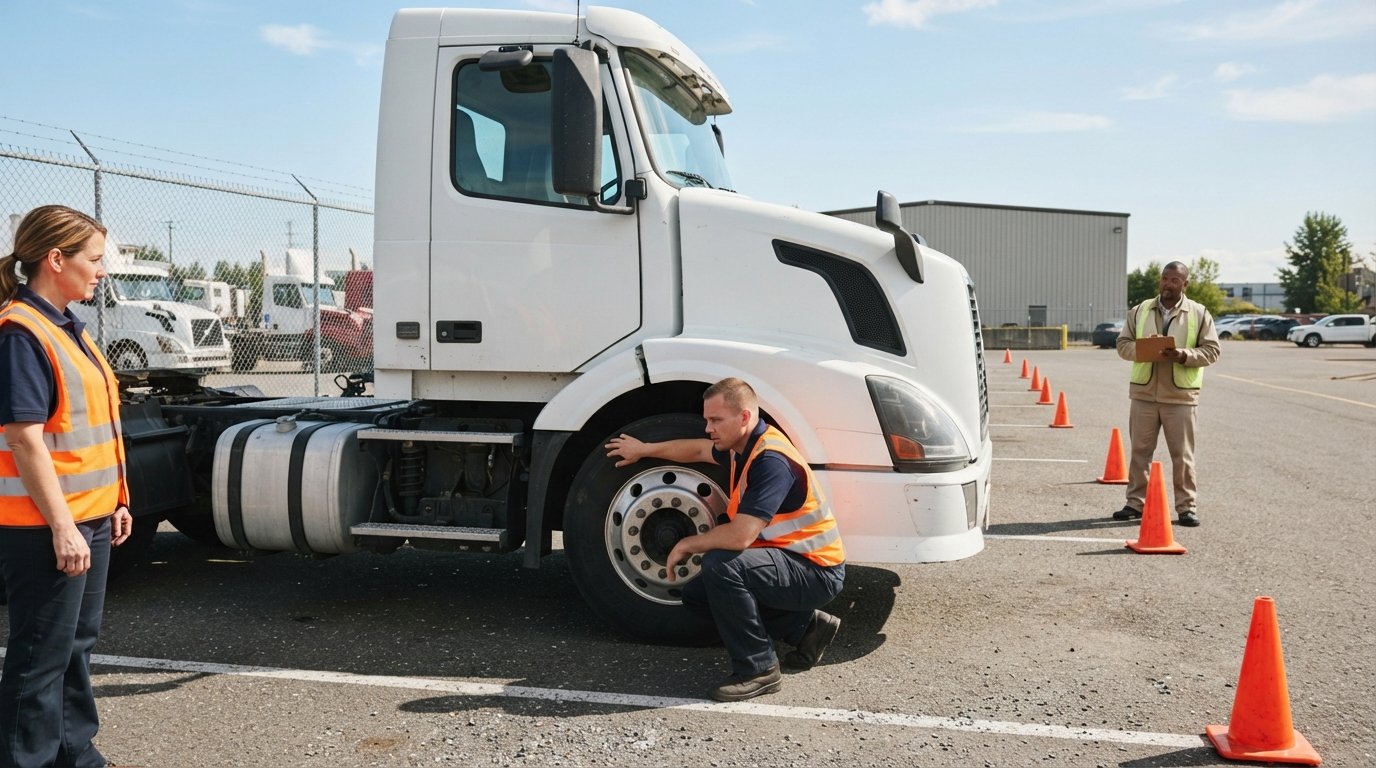
- Pre-trip vehicle inspection and basic maintenance checks
- Safe driving techniques for trucks and buses, including shifting, backing, and turning
- Federal and state regulations for commercial motor vehicles
- Map reading, trip planning, and hours-of-service rules
- Emergency procedures and accident prevention
Beyond these technical skills, the program also helps you develop the professional habits that employers look for: punctuality, communication, and a strong commitment to safety. Instructors often share real-world scenarios from their own driving careers, which gives you a sense of what the job is actually like day to day. By the time you finish, you should be prepared to take the written and practical exams required for a commercial driver's license (CDL) or related credentials, depending on the specific track you choose.
The instructor component of the certificate is also worth noting. Some students may pursue opportunities to teach or mentor new drivers later in their careers, and the program provides a foundation for those roles. Even if you do not plan to become an instructor, understanding how to explain and demonstrate safe driving practices makes you a better, more safety-conscious operator.
Admission Requirements and How to Enroll at ASUMH
Enrolling in the Truck and Bus Driver/Commercial Vehicle Operator and Instructor Certificate, less than 12 weeks In-person at Arkansas State University-Mountain Home (ASUMH) is straightforward, but there are a few steps you should plan for. Because the program is intensive and includes driving time, there are eligibility requirements beyond standard college admission. These typically include a valid driver's license, a clean driving record, and the ability to pass a background check and drug screening. Some programs also require a Department of Transportation (DOT) physical exam before you begin behind-the-wheel training.
Here is a practical sequence to follow:
- Contact ASUMH's admissions or workforce training office to confirm current start dates and program length.
- Complete the college application and any required placement or readiness assessments.
- Submit documentation for your driver's license, driving record, and any required health screenings.
- Meet with a financial aid advisor to discuss payment options, scholarships, or workforce grants.
- Attend orientation and secure your training schedule, including any required safety gear.
Because the program is short, missing a start date can mean waiting several weeks or months for the next cohort. It is wise to begin the application process early and keep your paperwork organized. Admissions staff can also clarify whether you need a commercial learner's permit (CLP) before your first driving session, as requirements can vary by program and state. If you are comparing this certificate with other educational paths, you may find it helpful to explore broader guidance on career-focused credentials and degree alternatives, such as this overview of business and law degree career paths, to see how short programs fit into larger career plans.
Costs, Financial Aid, and Smart Funding Strategies
Cost is often the biggest concern for prospective students, and it is reasonable to ask how much a commercial driving certificate will set you back. Tuition for the Truck and Bus Driver/Commercial Vehicle Operator and Instructor Certificate, less than 12 weeks In-person at Arkansas State University-Mountain Home (ASUMH) is typically much lower than a full degree, but you should still budget for additional expenses such as testing fees, DOT physicals, and personal safety equipment. The total investment is usually modest compared to the earning potential in the field, especially once you are hired full time.
Financial aid options may include federal student aid (if the program is eligible), state workforce development grants, veteran benefits, and employer sponsorship programs. Some trucking companies offer tuition reimbursement or sign-on bonuses for new drivers, which can offset a significant portion of your training costs. It is worth speaking directly with ASUMH's financial aid office and with local employers to understand what assistance is available. For a broader look at how to plan and pay for education without unnecessary debt, resources like CollegeAndTuition provide practical guides on financial aid, scholarships, and college cost planning.
One smart strategy is to calculate your break-even point. If you know the approximate starting salary for commercial drivers in your area, you can estimate how many months of work it will take to recover your training investment. In many cases, graduates recoup their costs quickly because the demand for drivers is high and entry-level pay is competitive. Keep in mind that wages vary by region, vehicle type, and employer, so research local job listings before you commit.
Career Outcomes: Jobs, Salaries, and Demand for Commercial Drivers
After completing the certificate, you will be qualified to pursue a range of driving roles. The most common entry points are heavy truck driver, bus driver, and delivery driver positions. Some graduates also move into specialized areas such as hazardous materials transport, refrigerated freight, or passenger transit. The skills you learn are transferable across industries, which gives you flexibility if you want to change employers or try a different type of vehicle later in your career.
Demand for commercial drivers is driven by the constant movement of goods and people. E-commerce growth, supply chain needs, and public transit systems all rely on trained operators. While exact salary figures depend on location and experience, many commercial driving jobs offer steady hours, benefits, and opportunities for overtime. Some employers also provide bonuses for safe driving records and longevity. For veterans, this field can be an especially smooth transition, as the structure and responsibility of driving align well with military experience.
It is important to approach salary expectations realistically. Entry-level drivers often start at a moderate wage and see increases as they gain experience and obtain additional endorsements, such as hazmat or passenger endorsements. The short length of the certificate means you can enter the workforce quickly and begin building that experience sooner. Over time, you may choose to pursue instructor roles, dispatcher positions, or management opportunities within transportation companies.
Preparing for Success: Tips for Prospective Students
Success in a fast-paced certificate program requires focus and preparation. Before you start, make sure your schedule allows for full attendance, since missed driving sessions can be difficult to make up. Review the program handbook, practice good sleep habits, and come to each class ready to learn. If you are not already comfortable with basic vehicle maintenance or map reading, spend some time reviewing those topics in advance. Instructors appreciate students who ask questions and take safety seriously.
It also helps to connect with current drivers or recent graduates. They can share insights about the job market, which employers are hiring, and what to expect during the licensing process. Networking within the program and with local trucking companies can give you a head start on your job search. Finally, treat the certificate as a stepping stone rather than an endpoint. The transportation industry offers many paths for advancement, and the habits you build during training will serve you throughout your career.
If you are ready to take the next step, contact Arkansas State University-Mountain Home to request information about upcoming start dates, tuition, and admission requirements for the Truck and Bus Driver/Commercial Vehicle Operator and Instructor Certificate, less than 12 weeks In-person at Arkansas State University-Mountain Home (ASUMH). A short investment of time and effort can open the door to a stable, in-demand career on the road.