
Airframe Mechanics Degree at College of the Sequoias: 2-Year Path
Earn an Airframe Mechanics and Aircraft Maintenance Technology/Technician Associate's degree in 2 years at College of the Sequoias with hands-on FAA-approved training.

By Ethan Clark
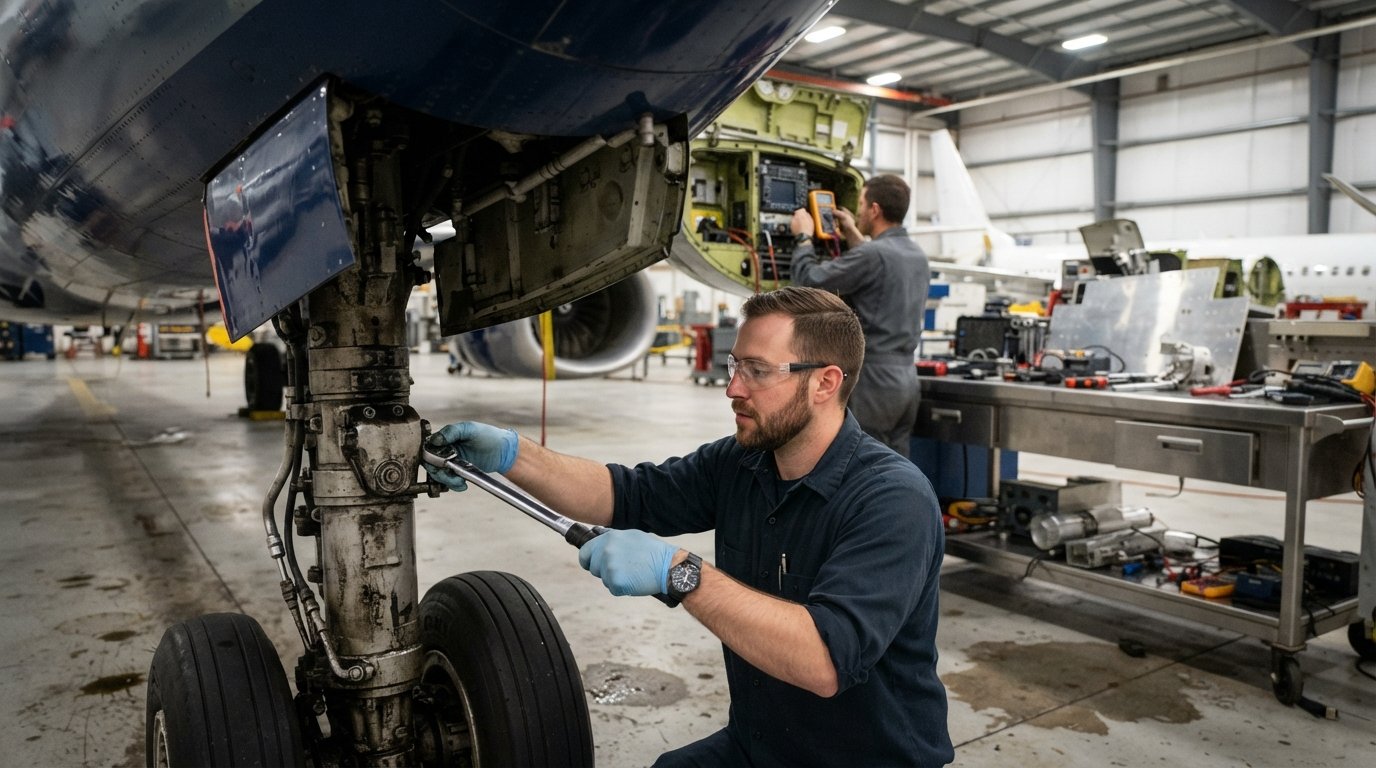
If you have ever watched a commercial jet taxi to the gate and wondered who keeps those massive machines airworthy, the answer is a team of highly trained airframe mechanics. These professionals inspect, repair, and overhaul the structural components of aircraft, from fuselage panels to landing gear. The Airframe Mechanics and Aircraft Maintenance Technology/Technician Associate's degree, usually 2 years In-person at College of the Sequoias, is one of the most direct and respected routes into this critical aviation career. Unlike a generic engineering degree, this program is hands-on from day one, blending classroom theory with real-world shop practice to prepare you for Federal Aviation Administration (FAA) certification. For anyone seeking a stable, well-paying technical career without the uncertainty of a four-year commitment, this associate degree offers a clear and practical path.
College of the Sequoias, located in Visalia, California, has built a strong reputation for its aviation maintenance programs. The associate degree is designed for students who want comprehensive training in both airframe and powerplant systems, although the airframe focus is particularly robust. The program typically takes two years of full-time study, and because it is delivered in-person, you get immediate access to hangars, tooling, and instructors who have years of industry experience. This format is essential because aviation maintenance is a skill-based trade; you cannot learn to torque a wheel bearing or inspect a wing spar solely from a textbook. The in-person structure also helps you build a professional network with classmates and instructors, which often leads to job referrals after graduation.
What You Will Learn in the Airframe Mechanics Program
The curriculum for the Airframe Mechanics and Aircraft Maintenance Technology/Technician Associate's degree at College of the Sequoias is aligned with FAA standards, which means you will cover the same subjects tested in the Airframe and Powerplant (A&P) written, oral, and practical exams. The airframe portion of the program focuses on structures, systems, and components that are not part of the engine or propeller. You will study topics such as aircraft sheet metal fabrication, welding, composite materials, hydraulic and pneumatic systems, landing gear, flight controls, and cabin atmosphere control systems. The program also includes general education courses in mathematics, physics, and communication, which are required for the associate degree and help you think critically about the technical challenges you will face in the field.
One of the biggest advantages of earning this associate degree is the structured progression from basic principles to advanced troubleshooting. In the first year, you typically start with fundamentals like blueprint reading, precision measurement, and hand tool safety. As you advance, you move into more complex tasks such as aligning control surfaces, performing corrosion control, and conducting system tests. By the end of the second year, you will have logged hundreds of hours of practical lab work, which is crucial because the FAA requires specific experience or formal training to qualify for the A&P certificate. Graduates of this program are well-positioned to pass the FAA exams on their first attempt, thanks to the thorough preparation embedded in every course.
The Role of FAA Certification
While the associate degree itself is an academic credential, its real value lies in how it prepares you for FAA certification. The FAA offers several mechanic certificates, with the Airframe and Powerplant (A&P) being the most sought-after because it qualifies you to work on both the structural and mechanical components of an aircraft. To earn the A&P, you must pass three separate exams: written, oral, and practical. The practical test is particularly demanding, as it requires you to demonstrate your skills on actual aircraft systems under the watch of a designated examiner. College of the Sequoias' program is designed to meet the FAA's Part 147 training requirements, which means the curriculum and facilities have been approved by the FAA to provide the necessary instruction. This approval is a mark of quality, ensuring that your training is current, relevant, and respected by employers.
Many students choose to complete the associate degree before pursuing their A&P, but you can also take the FAA exams while still enrolled, provided you have completed the required coursework. The associate degree adds a layer of academic credibility that can open doors to management roles or further education in aviation technology later in your career. Even if you never move beyond the hangar floor, having an associate degree can increase your earning potential and make you a more competitive candidate for positions with major airlines, cargo carriers, and repair stations.
Why Choose College of the Sequoias for This Degree
Selecting the right school for your aviation maintenance training is a decision that should not be taken lightly. College of the Sequoias stands out for several practical reasons. First, the cost of attendance is significantly lower than that of private aviation colleges, making it an affordable option for many students. California community colleges like COS are funded in part by the state, which translates to lower tuition rates for in-state residents. For out-of-state or international students, the cost is still competitive compared to for-profit institutions. Additionally, the college offers financial aid, scholarships, and work-study opportunities to help offset expenses. Because the program is in-person, you also avoid the hidden costs of online programs that might require you to source your own materials or tools; COS provides a fully equipped lab environment.
Another compelling reason is the college's location in the San Joaquin Valley, which is a hub for agricultural aviation and general aviation activity. This regional connection means you have opportunities for internships or part-time work with local flight schools, crop dusting operations, and maintenance shops while you are still a student. The instructors at COS are often current or former A&P mechanics with decades of experience in the industry. They bring real-world stories and troubleshooting techniques into the classroom, which enriches the learning experience. The college also maintains strong relationships with employers across California, and career services can help you connect with job openings after graduation. For a detailed comparison of aviation programs and what to expect from an associate degree, you might find our guide on associate degree programs helpful, although it focuses on a different field, it explains the general structure of two-year technical degrees.
Career Opportunities and Salary Outlook
Graduates of the Airframe Mechanics and Aircraft Maintenance Technology/Technician Associate's degree from College of the Sequoias can pursue a variety of roles in the aviation industry. The most common job title is aircraft mechanic, but the specific duties can vary by employer. You might work for a major airline, where you will perform routine inspections and line maintenance between flights. You could work for a cargo carrier like FedEx or UPS, which operate fleets of large jets that require constant upkeep. Alternatively, you might find employment at a fixed-base operator (FBO) that services private jets and small propeller aircraft. Each setting offers different challenges and schedules, so it is worth exploring which environment suits your lifestyle.
The earning potential for airframe mechanics is solid, particularly for those who earn their A&P certificate. According to the U.S. Bureau of Labor Statistics, the median annual wage for aircraft mechanics and service technicians was around $70,000 in 2023, with the top earners exceeding $100,000. Mechanics who work for major airlines often earn even more, especially when overtime and shift differentials are factored in. The job outlook is also positive; the BLS projects about a 6% growth in employment for this occupation over the next decade, which is about as fast as the average for all occupations. This growth is driven by an aging fleet of aircraft that require more frequent maintenance and a wave of retirements among current mechanics. For those willing to relocate to major aviation hubs like Dallas, Atlanta, or Seattle, the opportunities are abundant.
Is This Degree Right for You?
Deciding whether to enroll in the Airframe Mechanics and Aircraft Maintenance Technology/Technician Associate's degree at College of the Sequoias requires honest self-assessment. This program is not for someone who prefers to avoid physical work or who is uncomfortable with the noise, grease, and occasional unpleasantness of a hangar environment. You need to be detail-oriented, as a single overlooked crack or loose bolt can have catastrophic consequences. You also need to be comfortable with math and science, as the coursework includes physics, electricity, and materials science. If you enjoy solving puzzles, working with your hands, and taking pride in a job well done, this career can be deeply satisfying.
Another consideration is the time commitment. The program is a full-time, two-year endeavor, which can be challenging if you are working or have family obligations. However, many students successfully balance part-time jobs with their studies because the classes are scheduled during the day, and the college offers support services like tutoring and academic counseling. If you are a veteran, you can use your GI Bill benefits to cover tuition and fees, and the college has a dedicated veterans resource center to help you navigate the process. For working adults, the in-person requirement might seem restrictive, but the hands-on nature of the training is exactly what employers expect; there is no substitute for real experience.
How to Apply and Prepare for the Program
The application process for the associate degree at College of the Sequoias is straightforward, but it does require some planning. First, you must apply for admission to the college, which can be done online through the California Community Colleges application portal. You will then need to complete the Free Application for Federal Student Aid (FAFSA) to determine your eligibility for grants, loans, and work-study. Since the aviation program has limited lab space, there may be a waitlist, so it is wise to apply early and meet all deadlines. You should also take the college's placement tests or submit SAT/ACT scores if you have them, although these are not always required for admission to technical programs.
To prepare for the program, you can start by brushing up on your algebra and physics, as these are the foundational subjects for aircraft systems. You might also consider shadowing a mechanic or visiting a local airport to observe maintenance work firsthand. Reading aviation maintenance magazines or watching educational videos on aircraft systems can give you a preview of what you will learn. When you begin the program, be prepared to purchase basic hand tools, although many colleges provide the specialized equipment. You will also need to purchase textbooks and safety gear like safety glasses and steel-toed boots. If you have any questions about the program, the college's admissions office and the aviation department faculty are excellent resources. For more general guidance on choosing a technical degree, you can also consult resources like CollegeDegrees.School, which offers insights into various educational pathways.
Final Thoughts
The Airframe Mechanics and Aircraft Maintenance Technology/Technician Associate's degree at College of the Sequoias is more than just a credential; it is a gateway to a profession that keeps the world connected. With a two-year, in-person structure, you gain the practical skills and FAA-approved training that employers trust. The program's emphasis on hands-on learning, combined with a solid foundation in theory, prepares you for immediate employment or further certifications. If you are ready to take on a challenging and rewarding career in aviation, this degree deserves serious consideration. The next step is to reach out to the college, visit the campus, and see if the hangar feels like home.