
Your Guide to the Doctor of Physical Therapy Degree (DPT)
This guide details the path to a Doctor of Physical Therapy degree, covering prerequisites, curriculum, and career outcomes for aspiring physical therapists.

By Elena Markova
Embarking on the journey to earn a Doctor of Physical Therapy degree (DPT) is a significant commitment to a rewarding healthcare profession. As the entry-level clinical doctorate required to practice as a physical therapist in the United States, the DPT represents a rigorous blend of scientific knowledge, hands-on clinical skill, and compassionate patient care. This comprehensive guide is designed to demystify the entire process, from understanding the prerequisites and navigating the application to succeeding in the demanding curriculum and launching your career. Whether you are a prospective student evaluating programs or someone preparing for the application cycle, this resource provides the essential roadmap for your educational and professional future in physical therapy.
Understanding the Doctor of Physical Therapy Degree
The Doctor of Physical Therapy is a professional, clinical doctorate, distinct from a research-focused PhD. This degree is the culmination of a major shift in the physical therapy profession, which transitioned from awarding master’s degrees to the DPT as the sole entry-level credential. This evolution elevated the educational standards, ensuring graduates possess advanced diagnostic skills, greater autonomy in clinical decision-making, and a deeper foundation in evidence-based practice. The core purpose of the DPT curriculum is to prepare students to be independent practitioners who can examine, evaluate, diagnose, and intervene to treat movement dysfunction and improve quality of life across diverse patient populations.
Holding a DPT signifies that a clinician has completed extensive graduate-level education in musculoskeletal, neuromuscular, cardiovascular, and integumentary systems. The scope of practice for a DPT graduate is broad, encompassing areas like orthopedics, neurology, pediatrics, sports medicine, and geriatrics. The degree empowers therapists not just to treat symptoms, but to address the root causes of movement issues, promote wellness, and prevent future injury. This level of expertise is increasingly critical in a modern healthcare landscape that values non-pharmacological pain management and functional recovery.
Prerequisites and Preparing for DPT Programs
Gaining admission to a Doctor of Physical Therapy program is highly competitive, requiring meticulous preparation during your undergraduate years. While specific requirements vary by institution, a strong foundation in the sciences is non-negotiable. Prospective students must complete a series of prerequisite courses, typically with a minimum grade point average, often a “B” or higher. These courses are designed to build the essential knowledge base for the rigorous DPT curriculum.
Common prerequisite courses include human anatomy and physiology (with labs), biology, chemistry (with labs), physics (with labs), statistics, and psychology. Some programs may also require courses in exercise physiology, medical terminology, or developmental psychology. Beyond academics, admissions committees place heavy emphasis on direct patient care experience. This is where you demonstrate your commitment to and understanding of the profession. Hours can be gained through volunteering or working as a physical therapy aide, technician, or in related healthcare settings like hospitals or rehabilitation clinics. Strong letters of recommendation from professors and licensed physical therapists, along with a compelling personal statement, are also crucial components of a successful application.
The DPT Curriculum and Clinical Education
The typical Doctor of Physical Therapy program is a full-time, intensive course of study spanning three years (or eight semesters), though some accelerated or extended formats exist. The curriculum is logically sequenced, starting with foundational sciences before progressing to clinical application and specialization. The first year often focuses on basic medical sciences: advanced anatomy (often with cadaver lab), physiology, neuroscience, biomechanics, and kinesiology. This scientific bedrock is essential for understanding normal and pathological human movement.
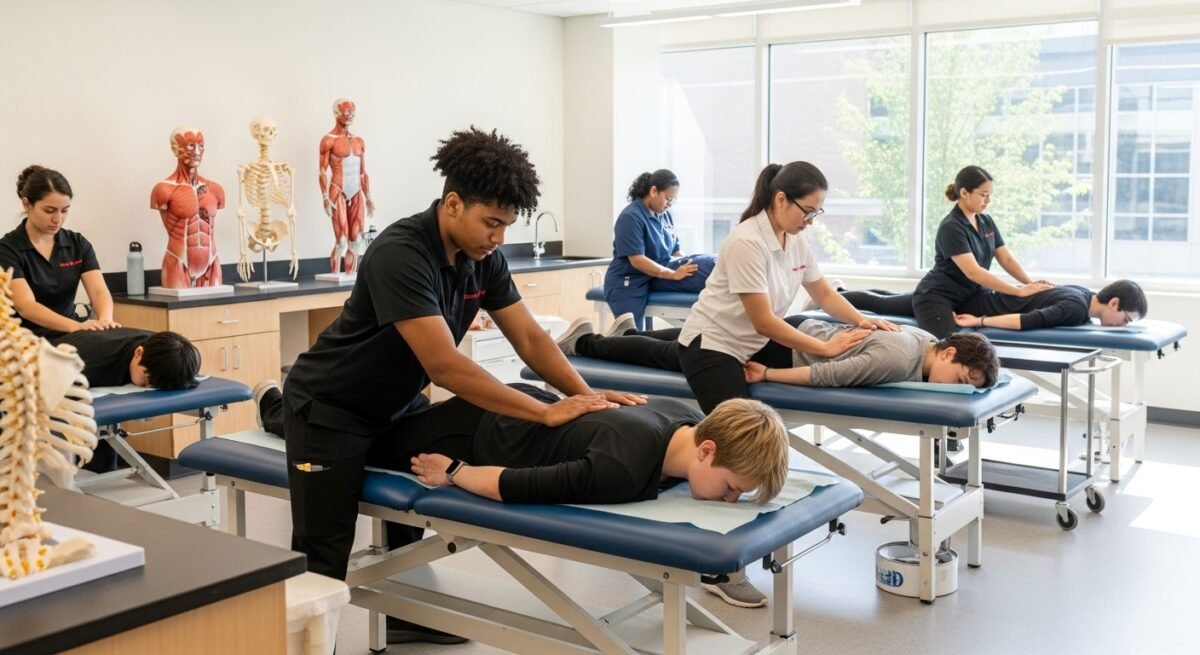
The second and third years delve into clinical sciences and hands-on skills. Coursework includes pathology, pharmacology, musculoskeletal and neuromuscular examination and intervention, cardiopulmonary physical therapy, and specialized topics like pediatric or geriatric care. Integrated throughout are courses on evidence-based practice, research methods, professional ethics, and healthcare systems. A defining feature of every accredited DPT program is its extensive clinical education component. Students complete multiple full-time clinical internships, totaling roughly 30 weeks or more, in varied settings such as outpatient orthopedics, acute care hospitals, inpatient rehabilitation, and skilled nursing facilities. These rotations are where classroom theory transforms into practical skill under the supervision of licensed clinical instructors.
Choosing the Right DPT Program and Accreditation
Selecting where to pursue your physical therapy doctorate is a decision with long-term implications for your education and career. The single most critical factor is accreditation. You must ensure the program is accredited by the Commission on Accreditation in Physical Therapy Education (CAPTE). CAPTE accreditation is a seal of quality that signifies the program meets nationally established standards. It is also mandatory for graduates to sit for the National Physical Therapy Examination (NPTE) and obtain state licensure. Attending a non-accredited program can render you ineligible to practice.
Beyond accreditation, consider these key factors when evaluating programs:
- Curriculum Model and Specializations: Examine the course sequence and see if it aligns with your learning style. Some programs offer early clinical exposure or tracks in areas like sports or neurology.
- Faculty Expertise and Class Size: Research the faculty’s clinical and research backgrounds. Smaller class sizes often allow for more personalized mentorship.
Clinical Affiliation Network: The quality and diversity of a program’s clinical partners directly impact your internship experiences. Strong networks provide rotations in top-tier facilities and specialty areas.
Pass Rates and Outcomes: Review the program’s first-time pass rates on the NPTE and its graduation and employment rates. High rates are indicators of program effectiveness.
Cost and Financial Aid: Tuition varies dramatically between public, private, and out-of-state programs. Investigate scholarship opportunities, graduate assistantships, and overall cost of living.
For students balancing other commitments, exploring hybrid or flexible college degree guidance platforms can help identify accredited online or low-residency DPT programs that blend digital learning with intensive on-campus lab and clinical components. This modern approach to the physical therapy doctorate can provide necessary flexibility without compromising the hands-on rigor the profession demands.
Career Pathways and Advancement After the DPT
Earning your Doctor of Physical Therapy degree is the launchpad for a dynamic and in-demand career. The vast majority of graduates begin as staff physical therapists in clinical settings, applying their skills to help patients recover from surgery, injury, or illness. The demand for physical therapists remains strong, driven by an aging population, increased focus on outpatient care, and the prevalence of chronic conditions. While clinical practice is the primary path, the DPT opens doors to numerous other opportunities.
Many therapists choose to specialize, gaining advanced certifications in areas like orthopedics (OCS), sports (SCS), neurology (NCS), or pediatrics through post-professional residencies and fellowships. These credentials denote expert-level skill and can lead to roles in niche clinics, sports teams, or academic medical centers. Other career avenues include moving into clinic management or ownership, transitioning into non-clinical roles in healthcare administration, insurance, or medical device sales, or contributing to the field through clinical research and teaching in DPT programs. Some DPTs also leverage their expertise in wellness and corporate settings, focusing on injury prevention and ergonomics. The foundational business and management principles covered in a DPT program can be particularly useful for those interested in entrepreneurship or leadership, much like the skills developed in specialized business finance programs detailed in resources such as The Rise of Finance Online Degrees: A New Era in Education.
Frequently Asked Questions
What is the difference between a DPT and a PT?
“PT” stands for Physical Therapist, which is the professional title. “DPT” (Doctor of Physical Therapy) is the academic degree required to become a PT. All new practicing physical therapists now hold a DPT degree.
How long does it take to complete a DPT program?
Most traditional, full-time DPT programs are three years (eight to nine semesters) in length, following completion of a four-year bachelor’s degree and all prerequisites.
Is the DPT program very difficult?
Yes, DPT programs are academically rigorous and demanding, with a heavy course load in sciences and clinical skills. They require significant dedication, time management, and a strong work ethic, similar to other professional doctoral healthcare programs.
Can I work while in a DPT program?
It is extremely challenging due to the full-time, intensive nature of the curriculum and required clinical internships. Most programs strongly discourage or prohibit outside employment, especially during clinical rotations.
What is the average salary for a DPT graduate?
Salaries vary by location, setting, and experience. According to the U.S. Bureau of Labor Statistics, the median annual wage for physical therapists is typically well above the national average for all occupations, with potential for increase with specialization and advanced experience.
Pursuing a Doctor of Physical Therapy degree is a profound investment in a career dedicated to healing and improving human movement. The path is challenging, requiring academic excellence, clinical dedication, and a genuine passion for patient care. However, the reward is a respected, versatile, and fulfilling profession with a direct positive impact on people’s lives. By thoroughly understanding the prerequisites, carefully selecting an accredited program, and fully engaging with the rigorous curriculum and clinical training, you can successfully navigate this journey. The DPT is more than a credential, it is the foundation for a lifetime of professional growth and service in the vital field of physical therapy.