
Your Associate Degree Overview: A Strategic Guide for Students
An associate degree offers a fast, affordable path to a career or a bachelor’s degree. This guide explains the key types, benefits, and strategic steps for success.

By Elena Markova
An associate degree is one of the most pragmatic and versatile credentials in higher education, yet its true value and pathways are often misunderstood. Serving as a bridge between a high school diploma and a bachelor’s degree or as a direct ticket to a specialized career, this two-year degree offers a compelling blend of affordability, flexibility, and focused training. Whether you’re a recent high school graduate, a working adult seeking a career change, or someone exploring higher education for the first time, understanding the nuances of an associate degree is the first step toward making an informed decision that aligns with your personal and professional goals. This comprehensive overview will clarify what an associate degree entails, the different types available, and the strategic considerations every student should weigh before enrolling.
Understanding the Core Types of Associate Degrees
Not all associate degrees are created equal; their structure and purpose differ significantly. The primary distinction lies in their curricular focus and intended next step. The Associate of Arts (AA) and Associate of Science (AS) degrees are designed as transfer degrees. They provide the first two years of a broad, liberal arts education that mirrors the general education requirements at a four-year university. Students pursuing an AA or AS typically plan to transfer seamlessly into a bachelor’s program, often with a guaranteed admission agreement through articulation pacts between community colleges and universities.
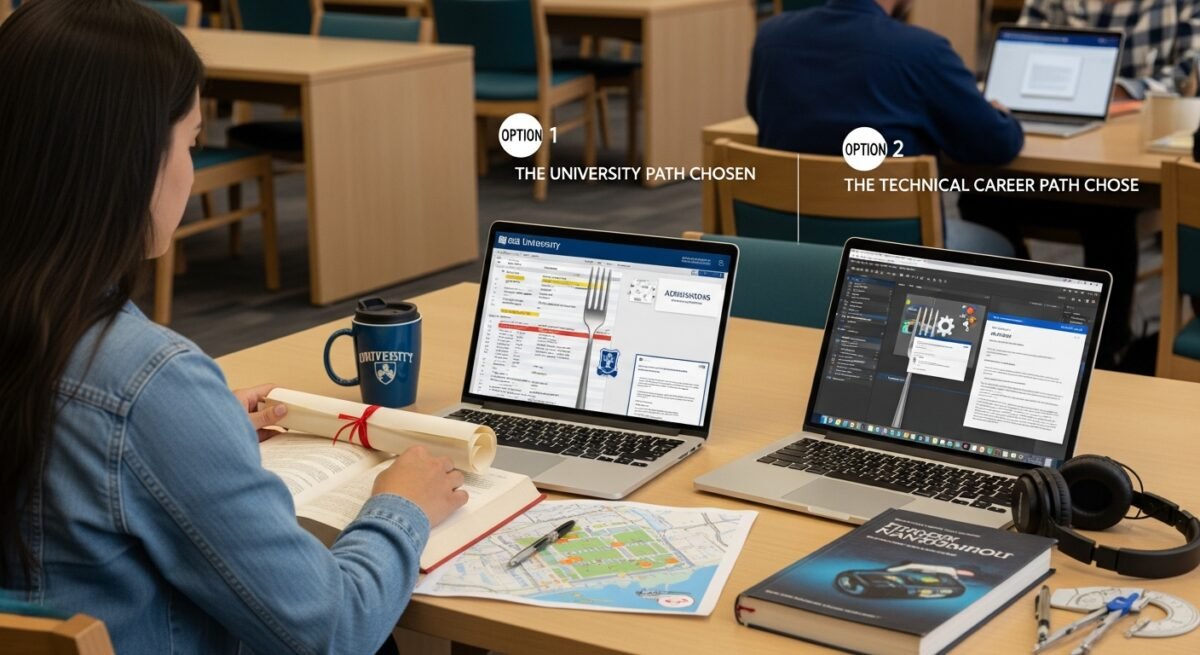
In contrast, the Associate of Applied Science (AAS) is a terminal, career-focused degree. Its curriculum is intensely practical, providing the hands-on skills and technical knowledge required for immediate employment in a specific field. While some AAS credits may transfer, the degree’s primary goal is workforce readiness. For example, a student earning an AAS in Radiologic Technology is trained to perform X-rays and operate imaging equipment, preparing them to sit for licensure exams and enter the healthcare workforce directly after graduation. Choosing between a transfer-focused AA/AS and a career-focused AAS is the most critical decision in your associate degree overview, as it sets your entire educational and career trajectory.
The Tangible Benefits and Potential Drawbacks
Pursuing an associate degree comes with a powerful set of advantages that make it an attractive option for millions of students. The most frequently cited benefit is cost-effectiveness. Tuition at community colleges, where most associate degrees are conferred, is a fraction of the cost of tuition at four-year institutions. This allows students to complete their general education requirements at a lower price before transferring, significantly reducing overall student debt. Furthermore, the two-year timeframe means students can enter the workforce and start earning a salary sooner than their peers in four-year programs.
These programs also offer exceptional flexibility, with abundant night, weekend, hybrid, and fully online classes catering to working adults and those with family obligations. The focused, practical nature of many programs, especially AAS degrees, leads to strong job placement rates in fields like nursing, information technology, and skilled trades. However, students must also consider potential limitations. Some careers absolutely require a bachelor’s degree or higher for entry or advancement. While earning potential with an associate degree is strong, it can, on average, be lower over a lifetime compared to a bachelor’s holder. There is also the risk of transfer complications if a student with an AA/AS does not carefully plan their coursework with their target four-year school in mind, potentially losing credits in the process.
Strategic Steps for Choosing the Right Program
A successful associate degree journey begins with diligent research and clear goal-setting. Your first step is to conduct an honest self-assessment. What are your career objectives? Do you envision yourself transferring to complete a bachelor’s degree, or are you seeking the fastest route to a skilled profession? Your answers will dictate whether you pursue an AA/AS or an AAS. Once you have clarity on the degree type, investigate specific programs with a critical eye. Accreditation is non-negotiable; ensure the institution is regionally accredited for transfer degrees or has programmatic accreditation for technical fields, as this affects credit transfer, financial aid eligibility, and employer recognition.
Next, examine key program metrics. Look at graduation rates, job placement rates for graduates, and the qualifications of the faculty. If your goal is to transfer, investigate articulation agreements. These formal partnerships between community colleges and universities outline exactly which courses will transfer, often guaranteeing junior-year admission upon degree completion. Speak directly with academic advisors at both the community college and the prospective four-year school. Finally, calculate the total cost, including fees, books, and supplies, and explore all financial aid options, including federal aid, state grants, and scholarships specifically for community college students. For those interested in technology-focused careers, our resource on the best online associate degree in cyber security provides a detailed look at one high-demand pathway.
Maximizing Your Experience and Outcomes
Earning the degree is just one part of the equation; maximizing its value requires proactive engagement. Treat your community college experience with the same seriousness you would a university. Build relationships with professors who can become mentors and provide future letters of recommendation. Get involved in campus clubs, honor societies, or student government to develop leadership skills and enhance your resume. Most importantly, seek out internships, co-op programs, or clinical placements related to your field. This real-world experience is invaluable, providing practical skills, professional networking opportunities, and a significant edge in the job market upon graduation.
For students in transfer programs, maintaining a strong GPA is crucial for admission into competitive bachelor’s programs. Utilize campus resources like tutoring centers, writing labs, and career services from day one. These services are included in your tuition and are designed to support your success. If you are exploring fully online options, it’s vital to assess your self-discipline and time management skills, and to verify that the program’s format and support services match your learning style. Many students find that a hybrid model offers the perfect balance of flexibility and structure. Regardless of format, leveraging comprehensive online education resources can complement your formal studies and provide additional context for your chosen field.
Common Career Paths and Future Opportunities
An associate degree opens doors to a wide array of stable, well-compensated careers. In the healthcare sector, it is the standard entry point for roles such as Registered Nurse (via an ADN program), Radiologic Technologist, Dental Hygienist, and Occupational Therapy Assistant. The technology field heavily relies on associate-level talent for positions like Computer Network Support Specialist, Web Developer, and Cybersecurity Analyst. Other prominent fields include engineering technology (e.g., Civil Engineering Technician), criminal justice (e.g., Police Officer or Paralegal), and skilled trades like HVAC installation and automotive repair. These careers often have strong projected growth and do not necessarily require a four-year degree for entry.
The long-term outlook for associate degree holders is robust. For many, the degree is a stepping stone. A nurse with an ADN can later pursue an RN-to-BSN program online while working. A paralegal may choose to continue to law school. The foundational knowledge and credits earned provide a platform for lifelong learning and advancement. Furthermore, in an economy that increasingly values skilled technical expertise, the practical training of an AAS degree can make graduates highly competitive. The key is to view the associate degree not as an end point, but as a powerful tool—a tool for launching a career, for reducing educational costs, or for building a confident foundation for further study.
An associate degree represents a strategic investment in your future, offering a balanced path that combines academic foundation with real-world applicability. By thoroughly understanding the different degree types, aligning your choice with clear goals, and actively engaging in your education, you can transform this two-year credential into a catalyst for significant personal and professional growth. The journey requires planning and purpose, but for those who navigate it wisely, the associate degree provides a remarkably efficient and effective route to achieving their ambitions.