
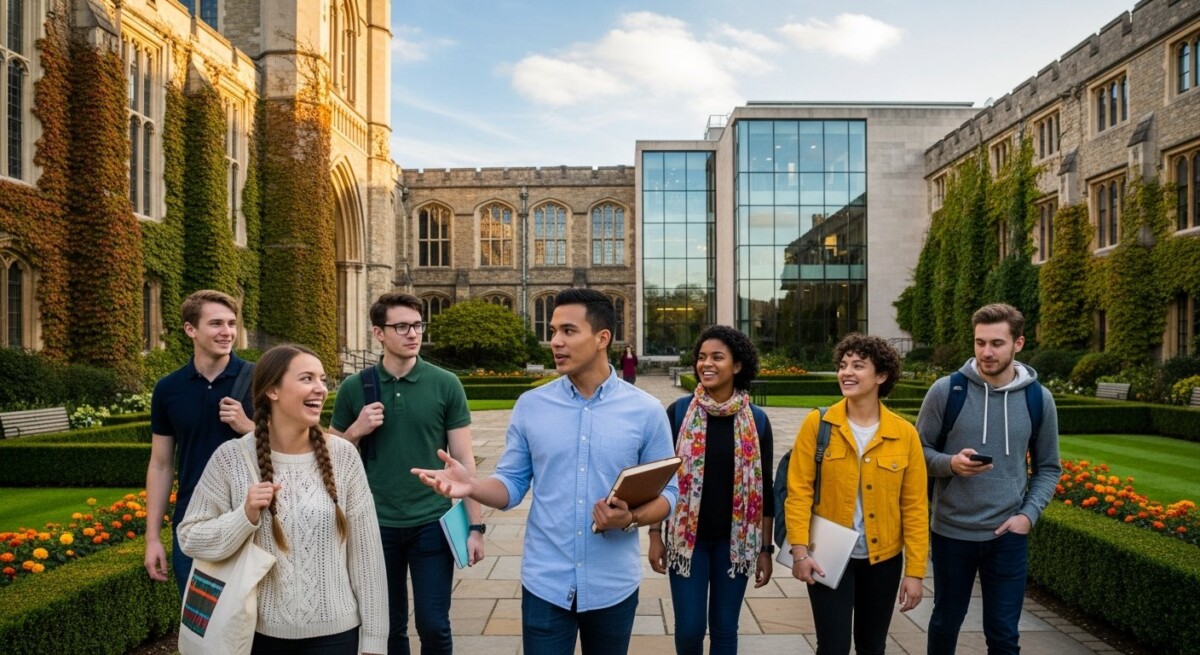
Choosing the right university is a pivotal decision that shapes your academic journey and career trajectory. For students seeking a high-quality undergraduate education in the American heartland, Kansas offers a diverse and robust landscape of public and private institutions. From large research universities with hundreds of majors to intimate liberal arts colleges fostering close mentorship, Kansas universities with bachelor’s degree tracks provide pathways for virtually every interest and ambition. This guide explores the key institutions, their distinctive academic strengths, and the practical considerations for selecting the program that aligns with your goals, ensuring you make an informed investment in your future.
Navigating the Kansas Higher Education System
Kansas’s higher education system is structured to provide accessible, high-quality options for residents and out-of-state students alike. The Kansas Board of Regents governs the state’s six public universities, which form the backbone of the system. These institutions are funded in part by state appropriations, which often translates to lower tuition for Kansas residents. Alongside these public universities, Kansas is home to a vibrant array of private, non-profit colleges and universities, many with religious affiliations, that offer smaller class sizes and specialized curricula. Additionally, a network of community colleges provides affordable associate degrees and seamless transfer pathways into bachelor’s degree programs at four-year institutions.
Understanding this structure is the first step. A prospective student must then consider the type of environment that will best support their success. Large research universities, like the University of Kansas, offer extensive resources, cutting-edge facilities, and a vast array of student organizations. Smaller colleges, such as Bethany College, prioritize personalized attention and a tight-knit campus community. Your learning style, career objectives, and personal preferences should guide this fundamental choice. For a broader perspective on navigating these types of decisions, our guide on Choosing Your California Undergraduate Degree and Major outlines a helpful framework for evaluating academic fit that applies to any state.
Public Research Universities: Breadth and Depth
Kansas’s premier public research universities are comprehensive institutions designed to deliver a wide spectrum of academic programs alongside significant opportunities for undergraduate research and innovation.
The University of Kansas (KU) in Lawrence is the state’s flagship institution. It is classified as an R1 research university, indicating the highest level of research activity. KU boasts over 190 undergraduate majors across its numerous schools and colleges. Its strengths are particularly notable in fields like journalism, pharmacy, engineering, education, and the liberal arts. The University of Kansas Medical Center in Kansas City offers specialized pre-professional tracks in health fields. Kansas State University (K-State) in Manhattan is another land-grant R1 university with a storied history in agriculture, engineering, and veterinary medicine. However, K-State’s offerings extend far beyond, with strong programs in business, architecture, education, and the arts. Both KU and K-State provide a classic Big 12 conference college experience with vibrant athletics and campus life.
Wichita State University (WSU) stands out for its deep integration with industry and its urban setting. As an engaged metropolitan research university, WSU emphasizes applied learning, co-ops, and internships, particularly through its renowned National Institute for Aviation Research and its strong ties to the aerospace and manufacturing sectors in Wichita. Its bachelor’s degree tracks in engineering, business, and health professions are heavily geared toward immediate career readiness.
Comprehensive State Universities and Liberal Arts Focus
This category includes universities that offer a broad range of bachelor’s degree programs, often with a more focused, teaching-centered approach and a strong sense of regional community.
Fort Hays State University (FHSU) in Hays is recognized for its exceptional value and robust online programming through its Virtual College. Its on-campus programs in business, education, and the sciences are highly regarded. Similarly, Pittsburg State University (PSU) is known for its hands-on, technology-focused education, with renowned programs in engineering technology, construction management, and nursing. Emporia State University (ESU) has a long-standing reputation for producing outstanding teachers and school administrators, though it also offers quality programs in business, library science, and the sciences.
For students seeking a private liberal arts education, Kansas delivers several excellent options. These institutions typically require a core curriculum designed to develop critical thinking, communication, and problem-solving skills across disciplines before specializing in a major.
- Benedictine College (Atchison): A Catholic college known for its strong liberal arts core, engineering program, and vibrant campus culture.
- Bethany College (Lindsborg): A small Lutheran college with a focus on personalized education and a celebrated Swedish heritage.
- University of Saint Mary (Leavenworth): Offers a values-based education with strengths in nursing, business, and education.
- McPherson College: Unique for its nationally recognized automotive restoration technology program alongside traditional liberal arts majors.
These colleges foster close relationships between students and faculty, creating an environment where mentorship is the norm. For students curious about the depth and variety of specific academic pathways, exploring dedicated resources for academic program insights can provide valuable detail on curriculum and outcomes.
Selecting Your Bachelor’s Degree Track in Kansas
With so many quality Kansas universities with bachelor’s degree tracks available, narrowing your choice requires a strategic approach. Begin by aligning your academic and career interests with institutional strengths. A student aiming for a career in aerospace engineering would find a natural fit at Wichita State, while one pursuing a pre-med track might lean toward the research opportunities at KU or K-State. Create a list of 5-8 schools that offer your intended major or a flexible exploratory program if you are undecided.
Next, evaluate practical factors. Financial considerations are paramount. Compare tuition (in-state vs. out-of-state), fees, and the average financial aid package. Utilize each university’s net price calculator. Consider location and campus culture: do you thrive in a bustling college town like Lawrence or Manhattan, or a mid-sized city like Wichita? Schedule campus visits if possible, as the feel of a campus is often the deciding factor. Finally, examine outcomes. Look at graduation rates, job placement statistics for your major, and opportunities for internships and undergraduate research. This data is often published on university websites or through the Kansas Board of Regents.
Frequently Asked Questions
What is the most affordable option for a bachelor’s degree in Kansas?
For Kansas residents, the public universities generally offer the lowest tuition. Fort Hays State University is frequently cited as one of the most affordable. Starting at a Kansas community college and then transferring to a four-year university is also a highly cost-effective pathway.
Which Kansas university is best for online bachelor’s degrees?
Fort Hays State University’s Virtual College is a leader in online education in the region, offering numerous fully online bachelor’s programs. Wichita State University, the University of Kansas, and Kansas State University also provide a growing selection of high-quality online and hybrid degree tracks.
I’m undecided on a major. Which Kansas school is a good fit?
Universities with strong general education programs and exploratory advising are ideal. The University of Kansas, Kansas State University, and the private liberal arts colleges like Benedictine are excellent choices, as they encourage breadth of study before declaration and provide structured support for undecided students.
How do I ensure my credits will transfer if I start at a community college?
Kansas has a statewide transfer agreement called the Kansas Systemwide Transfer (KST) framework. It guarantees that approved general education courses completed at any Kansas public community college will transfer and apply to general education requirements at any Kansas public university. Always work closely with an advisor at both institutions.
Are there good bachelor’s degree programs in Kansas for non-traditional or working adult students?
Yes. Many Kansas universities cater to adult learners with evening, weekend, and online courses. Wichita State’s Metropolitan Complex, KU’s Edwards Campus in Overland Park, and the extensive online offerings from FHSU and others are specifically designed with flexible scheduling for working professionals.
Your search for the right academic home in Kansas is an exciting venture. By thoroughly researching the distinct missions and strengths of each institution, from the expansive research labs of the flagship universities to the focused seminars of private colleges, you can identify the environment where you will most effectively learn, grow, and prepare for your future career. Take the time to connect with admissions counselors, reach out to faculty in departments of interest, and visualize yourself on campus. The investment you make in this decision process is the first step toward a rewarding and successful undergraduate experience.