
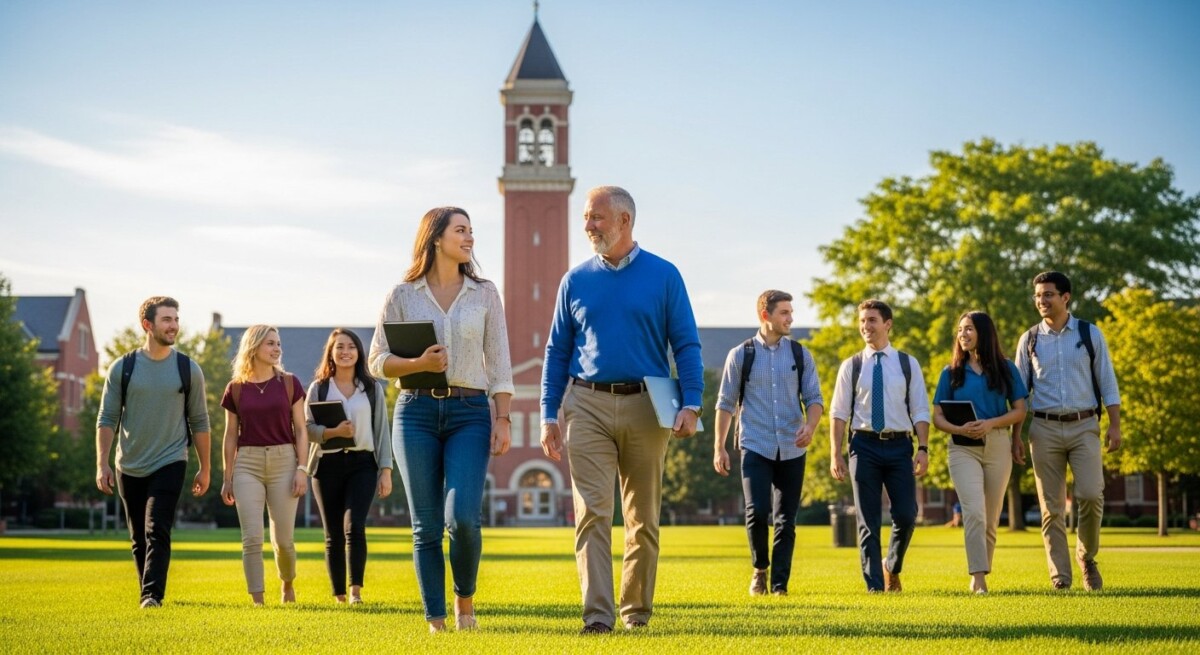
Choosing the right place to earn a bachelor’s degree is a pivotal decision that shapes your career and future. Iowa has long been recognized for its strong commitment to higher education, offering a diverse landscape of public universities, private colleges, and specialized institutions. Whether you are a high school student planning your next step or a working adult seeking a career change, understanding the options available through Iowa institutions providing bachelor’s degree education can help you make an informed choice. This article explores the leading schools, their unique strengths, and how you can find a program that aligns with your goals.
Why Iowa Stands Out for Bachelor’s Degree Programs
Iowa’s higher education system is built on a foundation of academic rigor, affordability, and community engagement. The state invests heavily in its public university system, which includes the University of Iowa, Iowa State University, and the University of Northern Iowa. These institutions are complemented by a robust network of private colleges and community colleges that offer seamless transfer pathways. Many Iowa institutions providing bachelor’s degree education also emphasize hands-on learning through internships, research opportunities, and cooperative education programs. This practical approach ensures that graduates are not only knowledgeable but also job-ready. Furthermore, Iowa’s relatively low cost of living and competitive tuition rates make it an attractive destination for students from across the country and around the world.
Flagship Universities and Their Signature Programs
The three public universities in Iowa each have distinct missions and areas of excellence. The University of Iowa, located in Iowa City, is renowned for its health sciences, writing programs, and the Iowa Writers’ Workshop. It offers a wide array of bachelor’s degrees in fields such as nursing, business, engineering, and the liberal arts. Iowa State University in Ames is a land-grant institution with world-class programs in agriculture, engineering, design, and veterinary medicine. Its commitment to science and technology makes it a top choice for students pursuing STEM careers. The University of Northern Iowa in Cedar Falls focuses on teacher education, business, and the arts, providing a more personalized learning environment with smaller class sizes. Together, these three schools represent the backbone of Iowa institutions providing bachelor’s degree education at the public level.
Private Colleges: Small Classes and Personalized Attention
Beyond the public universities, Iowa is home to numerous private colleges that offer distinctive educational experiences. Schools like Grinnell College, Drake University, Luther College, and Cornell College are known for their rigorous academics and close-knit communities. For example, Grinnell College is a highly selective liberal arts college that emphasizes independent research and critical thinking. Drake University in Des Moines combines a liberal arts foundation with professional programs in law, pharmacy, and business. Luther College in Decorah offers strong programs in music, environmental studies, and nursing. These private institutions provide an alternative for students who prefer smaller campuses and more direct faculty interaction. Many of them also offer generous merit-based scholarships, making them more accessible than their high list prices might suggest.
Online and Flexible Bachelor’s Degree Options
For students who need flexibility due to work or family commitments, many Iowa institutions providing bachelor’s degree education have expanded their online offerings. The University of Iowa, Iowa State University, and the University of Northern Iowa all offer fully online bachelor’s degree completion programs. These programs are ideal for transfer students who have earned an associate degree or have college credits from other institutions. Online degrees from Iowa schools cover fields such as psychology, business administration, criminal justice, and health services. The quality of online instruction mirrors that of on-campus programs, with the same faculty and academic standards. If you are exploring online education, you can use resources like academic program insights to compare different degree tracks and find a program that fits your schedule. Additionally, many community colleges in Iowa have articulation agreements with four-year universities, ensuring that credits transfer smoothly and students can complete their bachelor’s degree without repeating coursework.
Accreditation and Quality Assurance
When evaluating Iowa institutions providing bachelor’s degree education, accreditation is a critical factor. All major public and private universities in Iowa are accredited by the Higher Learning Commission (HLC), a regional accrediting body recognized by the U.S. Department of Education. Programmatic accreditation is also important for specific fields such as engineering, nursing, and business. For example, engineering programs at Iowa State University are accredited by ABET, while nursing programs at the University of Iowa are accredited by the Commission on Collegiate Nursing Education (CCNE). Accreditation ensures that the education you receive meets national standards and that your degree will be recognized by employers and graduate schools. Before enrolling, always verify that both the institution and your intended program hold proper accreditation.
Financial Aid and Affordability
Iowa institutions are committed to making bachelor’s degree education affordable. The state offers several scholarship programs, including the Iowa Tuition Grant for students attending private colleges and the Iowa Scholarship for the Arts. Federal financial aid, including Pell Grants and student loans, is available at all accredited schools. Additionally, many universities have their own need-based and merit-based aid programs. For example, the University of Iowa’s Iowa Scholars Award and Iowa State University’s Academic Recognition Scholarship reward high-achieving students. It is important to complete the Free Application for Federal Student Aid (FAFSA) each year to determine your eligibility. When comparing costs, consider not only tuition but also fees, room and board, and other expenses. A college degree is a significant investment, but with careful planning and use of available resources, it can be a manageable one.
Career Outcomes and Alumni Networks
Graduates from Iowa institutions providing bachelor’s degree education enjoy strong career outcomes. The state’s universities have extensive career services that help students with resume writing, interview preparation, and job placement. Many schools also have robust alumni networks that provide mentorship and professional connections. For instance, Iowa State University boasts a large and active alumni base in engineering and agriculture, while the University of Iowa has strong networks in healthcare and the arts. According to data from the Iowa Department of Education, bachelor’s degree holders in the state earn significantly higher salaries over their lifetimes compared to those with only a high school diploma. Furthermore, Iowa’s economy is diverse, with growing sectors in advanced manufacturing, information technology, and renewable energy, creating demand for skilled graduates.
To help you navigate your options, here are some key factors to consider when choosing among Iowa institutions providing bachelor’s degree education:
- Academic programs: Does the school offer your intended major? Are there opportunities for research or internships in your field?
- Location and campus culture: Do you prefer an urban environment like Des Moines or a college town like Iowa City or Ames?
- Cost and financial aid: Compare tuition, fees, and available scholarships to determine the net price.
- Class size and student support: Larger universities offer more resources, while smaller colleges provide more personalized attention.
- Graduation and retention rates: High rates indicate student satisfaction and effective academic support.
Evaluating these factors will help you choose a program that not only meets your educational needs but also supports your long-term career aspirations. In our guide on Bachelor in Computer Engineering Degree Overview and Career Paths, we explain how to assess technical programs and their alignment with industry demands.
Frequently Asked Questions
What are the largest Iowa institutions providing bachelor’s degree education?
The largest are the University of Iowa, Iowa State University, and the University of Northern Iowa, each enrolling tens of thousands of students. These universities offer the widest variety of majors and extracurricular activities.
Can I complete a bachelor’s degree entirely online from an Iowa school?
Yes. All three public universities offer online bachelor’s degree completion programs. Private institutions like Drake University and St. Ambrose University also have online options. These programs are designed for flexibility and often accept transfer credits.
How do I transfer credits from an Iowa community college to a four-year university?
Iowa has a statewide transfer system that facilitates credit transfer. You should work with an academic advisor at both institutions to ensure your courses align with your intended bachelor’s degree program. Many schools have specific transfer guides online.
Are there scholarships specifically for students attending Iowa institutions?
Yes. The Iowa Tuition Grant helps Iowa residents attending private colleges. Each university also has its own scholarship programs. Complete the FAFSA and check with the financial aid office for details.
What is the average time to complete a bachelor’s degree in Iowa?
Most full-time students complete their degree in four years. However, many students take five or six years, especially if they work part-time or change majors. Online and part-time programs may take longer.
Iowa’s commitment to education is evident in the quality and diversity of its bachelor’s degree programs. From large research universities to intimate liberal arts colleges, the state offers something for every type of learner. By researching your options, visiting campuses, and seeking guidance from resources like CollegeDegree.Education, you can find the right path to a rewarding career and a bright future.