
Sonography Associate's Degree at CNM: 2-Year Path
Earn your Diagnostic Medical Sonography/Sonographer and Ultrasound Technician Associate's degree, usually 2 years In-person at Central New Mexico Community College. Call (877)-218-7081 for guidance.

By Janet Wilson
Choosing a healthcare career that combines advanced technology, direct patient care, and strong job security can feel overwhelming, but diagnostic medical sonography offers a clear and rewarding path. At Central New Mexico Community College, students can earn a Diagnostic Medical Sonography/Sonographer and Ultrasound Technician Associate's degree, usually 2 years In-person at Central New Mexico Community College, which prepares them for an in-demand field with competitive salaries and room for specialization. This article explains what the program covers, how to get admitted, what careers await graduates, and how to decide if this hands-on degree is right for you.
What Is Diagnostic Medical Sonography?
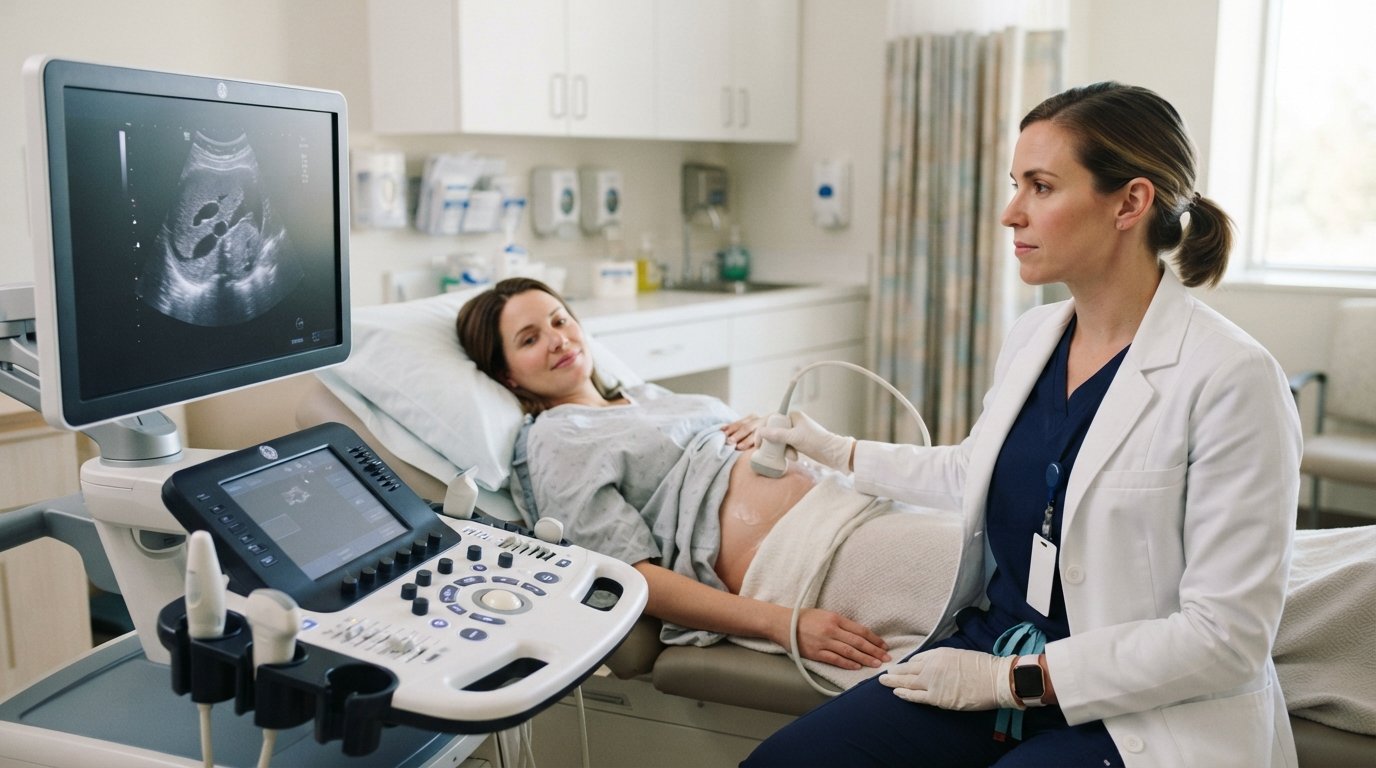
Diagnostic medical sonography is an allied health profession that uses high-frequency sound waves to create images of internal organs, tissues, and blood flow. Sonographers, also called ultrasound technicians, operate specialized equipment to capture these images, which physicians then use to diagnose conditions, monitor pregnancies, and guide minimally invasive procedures. Unlike X-rays or CT scans, ultrasound does not use ionizing radiation, making it a safe option for many patients, including pregnant women and children.
Sonographers work in hospitals, outpatient clinics, private practices, and research facilities. They must possess strong technical skills, attention to detail, and the ability to interact compassionately with patients who may be anxious or in pain. The field offers variety: some sonographers specialize in abdominal scans, others in obstetric and gynecologic imaging, vascular technology, or cardiac sonography. This versatility allows professionals to tailor their careers to their interests.
Because sonography combines patient care with cutting-edge technology, it attracts people who want a meaningful healthcare role without the lengthy education required to become a physician. A two-year associate's degree is the most common entry point, and programs like the one at Central New Mexico Community College provide the clinical hours and didactic coursework needed to sit for national certification exams.
Why Choose the Associate's Degree at Central New Mexico Community College?
Central New Mexico Community College (CNM) is one of the largest community colleges in the state, known for its career-focused programs and strong ties to local healthcare employers. The Diagnostic Medical Sonography/Sonographer and Ultrasound Technician Associate's degree, usually 2 years In-person at Central New Mexico Community College, is designed to get students into the workforce quickly while meeting rigorous accreditation standards. The program blends classroom instruction with hands-on clinical rotations at partner hospitals and clinics throughout Albuquerque and surrounding areas.
One of the biggest advantages of this program is its in-person format. Ultrasound requires psychomotor skills, spatial reasoning, and real-time decision-making that are best learned through direct practice. Students scan volunteers and patients under the supervision of experienced sonographers, building confidence and competence before graduation. The face-to-face environment also fosters strong mentorship relationships and peer study groups, which can be crucial for success in a demanding curriculum.
Additionally, CNM's program is accredited by the Commission on Accreditation of Allied Health Education Programs (CAAHEP), which means graduates are eligible to take the American Registry for Diagnostic Medical Sonography (ARDMS) credentialing exams. Certification significantly boosts employability and earning potential. The college also offers support services such as tutoring, financial aid advising, and career placement assistance, helping students navigate the entire journey from application to job offer.
For those who need to compare this program with other options, CollegeDegree.Education provides a matching service that connects prospective students with accredited colleges and universities offering sonography and related healthcare degrees. Their platform allows you to filter by location, program length, and delivery format, making it easier to find the right fit. You can also explore Medical Billing and Coding Programs Complete Degree Guide for insights into other allied health pathways that complement sonography.
Admission Requirements and Prerequisites
Getting into CNM's sonography program is competitive, so prospective students should plan ahead. The program typically requires completion of prerequisite courses with a grade of C or better, including anatomy and physiology, medical terminology, college algebra, and English composition. Some applicants also need to complete a physical science course and a humanities elective. These prerequisites ensure that students have the foundational knowledge to succeed in the rigorous sonography curriculum.
In addition to coursework, applicants must submit official transcripts, complete a program application, and may need to attend an information session or interview. CNM uses a point-based system to rank applicants, considering GPA, prerequisite grades, and sometimes healthcare experience. Because the program has limited seats, meeting the minimum requirements does not guarantee admission. Students are encouraged to apply early and maintain a strong academic record.
Once admitted, students must complete a background check, drug screening, and health requirements such as immunizations and CPR certification before starting clinical rotations. These steps are standard in healthcare education and ensure patient safety. The program also requires students to have reliable transportation to clinical sites, which may be located throughout the Albuquerque metro area and beyond.
Here is a quick overview of typical admission steps:
- Complete all prerequisite courses with a C or higher.
- Submit the program application by the published deadline.
- Attend a mandatory information session or orientation.
- Provide transcripts, background check, and health documentation.
- Await admission decision and register for classes if accepted.
Because requirements can change, always consult the official CNM program webpage or an academic advisor for the most current information. Planning your prerequisites early can save time and improve your chances of acceptance.
Curriculum and Clinical Training
The Diagnostic Medical Sonography/Sonographer and Ultrasound Technician Associate's degree, usually 2 years In-person at Central New Mexico Community College, covers a comprehensive curriculum that includes both general education and sonography-specific courses. During the first year, students typically take foundational courses in anatomy, physiology, pathophysiology, and ultrasound physics and instrumentation. They also begin scanning labs where they learn to operate ultrasound machines and recognize normal anatomy.
In the second year, the focus shifts to clinical rotations in various specialties such as abdominal, obstetric, gynecologic, and vascular sonography. Students spend several days per week at clinical sites, working alongside credentialed sonographers and performing exams under supervision. This hands-on experience is invaluable for developing speed, accuracy, and patient communication skills. Didactic courses continue in parallel, covering advanced topics like fetal anomalies, breast sonography, and musculoskeletal imaging.
Assessment methods include written exams, practical scanning evaluations, and clinical performance reviews. Students must maintain a minimum grade in all sonography courses to progress and graduate. The program culminates in a capstone course or comprehensive exam that prepares students for national certification. By the time they finish, graduates have accumulated hundreds of clinical hours and are ready to enter the workforce.
Key courses in the program often include:
- Ultrasound Physics and Instrumentation
- Abdominal Sonography
- Obstetric and Gynecologic Sonography
- Vascular Sonography
- Clinical Practicum I, II, and III
Each course builds on the previous one, ensuring a logical progression from theory to practice. Small class sizes and dedicated faculty mean students receive personalized attention and feedback, which is critical for mastering scanning techniques.
Career Outlook and Salary for Sonographers
The demand for diagnostic medical sonographers is projected to grow much faster than the average for all occupations, according to the U.S. Bureau of Labor Statistics. As the population ages and healthcare technology advances, ultrasound imaging becomes increasingly essential for diagnosis and monitoring. Graduates of CNM's program are well-positioned to find jobs in hospitals, clinics, and physician offices, not only in New Mexico but across the country.
Salaries for sonographers are competitive. The median annual wage for diagnostic medical sonographers was around $84,000 in recent years, with the top 10 percent earning over $100,000. Entry-level pay in New Mexico may be slightly lower than the national average, but the lower cost of living in the Albuquerque area helps balance the difference. Many employers also offer sign-on bonuses, shift differentials, and benefits such as tuition reimbursement for advanced certifications.
Sonographers can advance their careers by earning specialty credentials in areas like pediatric sonography, breast sonography, or musculoskeletal sonography. Some pursue supervisory or educational roles, while others transition into sales, applications training, or research. The associate's degree provides a solid foundation for lifelong learning and professional growth.
For those considering other healthcare careers, CollegeDegrees.School offers extensive resources on degree programs and career planning. Their website, CollegeDegrees.School, provides guides on college degrees, higher education pathways, and career advice for prospective students and career changers. It can be a useful complement to the specific program information found on CollegeDegree.Education.
How to Succeed in the Program
Success in an accelerated sonography program requires dedication, time management, and resilience. The curriculum is intense, and students often juggle coursework, clinical hours, and personal responsibilities. Here are some strategies that can help you thrive:
- Form study groups: Collaborating with classmates can deepen your understanding of complex topics like ultrasound physics.
- Practice scanning outside class: Take advantage of open lab hours to refine your technique and build muscle memory.
- Seek feedback: Ask instructors and clinical preceptors for constructive criticism and act on it.
- Stay organized: Use planners or digital calendars to track assignments, clinical schedules, and exam dates.
- Prioritize self-care: Sonography can be physically demanding, so maintain good posture, exercise, and adequate rest.
Financial planning is also important. While CNM is relatively affordable compared to four-year universities, students should explore federal financial aid, scholarships, and employer tuition assistance programs. The college's financial aid office can help you navigate options and avoid unnecessary debt.
If you are a career changer or veteran, you may have additional support services available. CNM has dedicated advisors for veterans and adult learners, and some employers offer flexible schedules for employees pursuing healthcare degrees. Balancing work and school is challenging but achievable with proper planning.
Is This Program Right for You?
The Diagnostic Medical Sonography/Sonographer and Ultrasound Technician Associate's degree, usually 2 years In-person at Central New Mexico Community College, is an excellent choice for individuals who want a fast track to a stable healthcare career. It suits people who enjoy working with technology, have strong interpersonal skills, and are comfortable with anatomy and physiology. The in-person format ensures you get the hands-on training employers expect, and the accreditation opens doors to certification and advancement.
However, it is not for everyone. The program demands full-time commitment, and the clinical rotations may require early mornings, late evenings, or weekend shifts. If you prefer a fully online or self-paced program, this may not be the best fit, as sonography requires extensive supervised practice. Prospective students should also consider the physical demands of the job, including standing for long periods and assisting patients with mobility issues.
To make an informed decision, visit the CNM campus, attend an information session, and speak with current students or practicing sonographers. Shadowing a professional for a day can give you a realistic preview of the work. Additionally, use resources like CollegeDegree.Education to compare other sonography programs and find one that aligns with your goals, budget, and schedule.
Ultimately, a career in diagnostic medical sonography offers a blend of science, technology, and patient care that few fields can match. With a two-year degree from a respected institution like Central New Mexico Community College, you can launch a rewarding profession that makes a real difference in people's lives.