
Few industries offer the combination of global impact, technical rigor, and financial reward found in oil and gas. For students drawn to problem-solving, earth science, and large-scale energy systems, a petroleum engineering degree opens doors to specialized roles that shape the world’s energy supply. The coursework is demanding, blending physics, geology, and advanced mathematics, but the career paths that follow are equally varied and lucrative. This article examines the core subjects, specialization options, and professional trajectories tied to this field, helping prospective students understand what a petroleum engineering degree entails and where it can lead.
Core Coursework in a Petroleum Engineering Degree Program
A petroleum engineering degree builds on a foundation of engineering principles, earth sciences, and fluid dynamics. Students typically spend the first two years completing prerequisites in calculus, chemistry, physics, and introductory engineering. These courses establish the quantitative and analytical skills needed for upper-level work.
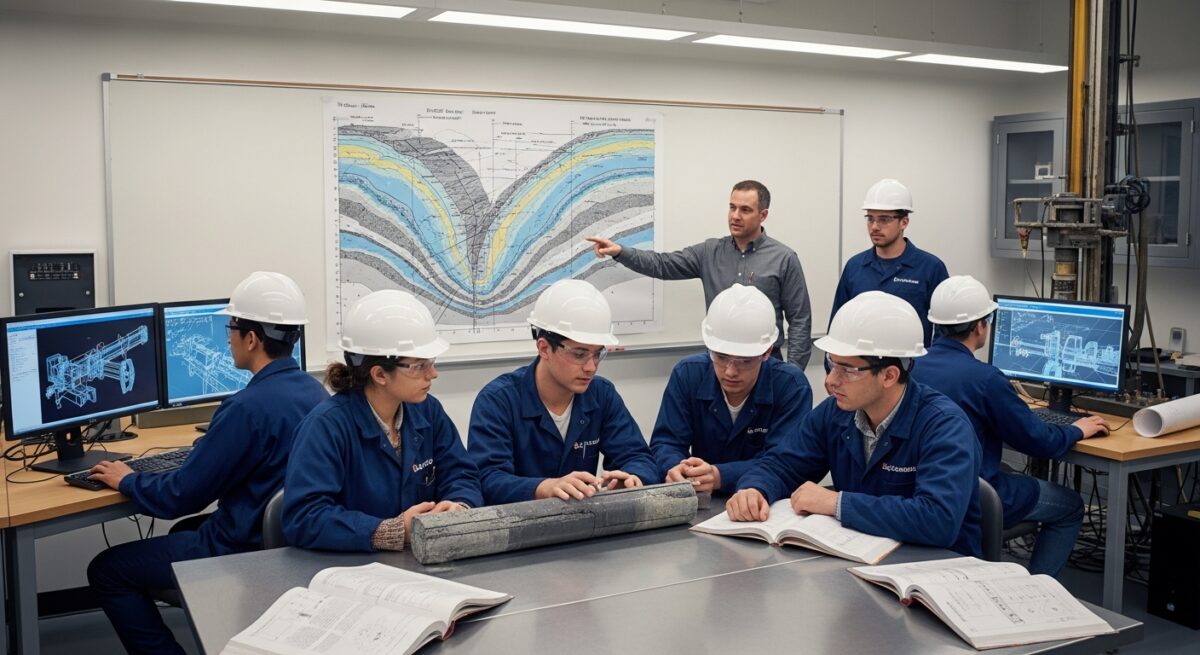
The junior and senior years introduce specialized topics. Reservoir engineering, drilling engineering, production engineering, and well logging are standard pillars. Students learn to characterize subsurface rock formations, design drilling programs, optimize extraction methods, and evaluate reservoir performance. Laboratory sessions and computer simulations reinforce theoretical concepts. Many programs also require coursework in petroleum economics, environmental regulations, and safety systems, reflecting the industry’s operational and compliance demands.
Beyond the core curriculum, students often choose elective tracks. Common options include natural gas engineering, enhanced oil recovery, petrophysics, and unconventional resource development. These electives allow students to align their studies with specific career interests, such as deepwater drilling or shale gas extraction. For those considering broader energy roles, some programs offer dual concentrations in renewable energy systems or energy management, blending traditional petroleum engineering with emerging technologies.
Accreditation matters. Most reputable programs are accredited by ABET, ensuring the curriculum meets industry standards and qualifies graduates for professional licensure. Students should verify accreditation status when evaluating schools. Hands-on experiences, such as capstone design projects and internships, are also integral. These opportunities bridge classroom theory and field application, making graduates more competitive in the job market.
Specializations Within the Discipline
The petroleum engineering degree encompasses several distinct sub-disciplines, each with its own focus and skill set. Understanding these specializations helps students tailor their coursework and target specific roles after graduation.
Reservoir Engineering
Reservoir engineers determine how much oil or gas a formation contains and the best methods to extract it. They use simulation software, material balance equations, and decline curve analysis to estimate reserves and forecast production. This role requires strong analytical skills and a deep understanding of fluid flow through porous media. Reservoir engineers often work closely with geoscientists to build accurate subsurface models.
Drilling Engineering
Drilling engineers design and supervise the drilling of wells. They select drilling fluids, specify casing and cement programs, and manage rig operations to ensure safety and efficiency. This specialization demands knowledge of rock mechanics, hydraulics, and equipment design. Drilling engineers frequently work on-site or in operations centers, coordinating with multiple teams to execute well plans.
Production Engineering
Production engineers focus on optimizing the flow of hydrocarbons from the reservoir to the surface. They design completion systems, select artificial lift methods (such as pumps or gas lift), and troubleshoot production problems. This role combines hands-on fieldwork with data analysis to maximize recovery rates. Production engineers must understand wellbore dynamics, surface facilities, and economic constraints.
Petrophysics and Formation Evaluation
Petrophysicists interpret well logs, core samples, and other data to characterize rock properties such as porosity, permeability, and fluid saturation. Their work informs decisions about where to drill, how to complete wells, and how to estimate reserves. This specialization requires a strong background in physics, mathematics, and geology, along with proficiency in log analysis software.
Each specialization offers distinct career trajectories and compensation levels. Reservoir engineers, for example, often command high salaries due to the financial impact of their reserve estimates. Drilling engineers may earn bonuses tied to operational performance. Students should consider their personal aptitudes, interests, and lifestyle preferences when choosing a specialization. Field-intensive roles like drilling engineering involve more travel and remote work, while reservoir engineering is typically office-based.
Career Paths and Industry Opportunities
Graduates with a petroleum engineering degree pursue careers across the entire oil and gas value chain. Upstream companies, which focus on exploration and production, are the largest employers. Major operators like ExxonMobil, Chevron, Shell, and BP hire petroleum engineers for their technical teams. Service companies such as Schlumberger, Halliburton, and Baker Hughes also recruit heavily, offering roles in drilling services, well testing, and technology development.
Government agencies and research organizations provide alternative settings. The U.S. Department of Energy, state geological surveys, and national laboratories employ petroleum engineers for regulatory oversight, resource assessment, and applied research. Consulting firms, including specialized energy consultancies and general management firms, hire petroleum engineers to advise clients on reservoir management, field development, and investment decisions.
Career progression typically follows a structured path. Entry-level engineers start as field or junior engineers, working under senior mentors. After three to five years, they advance to senior engineer roles with greater autonomy and project responsibility. Further advancement leads to positions such as lead engineer, team lead, or engineering manager. Some engineers transition into business development, asset management, or executive leadership, leveraging their technical background for strategic roles.
Compensation in petroleum engineering is among the highest of any undergraduate degree. According to industry surveys, median starting salaries exceed $80,000, and experienced engineers often earn six-figure incomes. Bonuses, stock options, and other benefits are common, especially in operational roles. However, the industry is cyclical, with hiring and compensation fluctuating with oil prices. Economic downturns can lead to layoffs and reduced hiring, so financial planning and career flexibility are important.
For students exploring related fields, a BS Mechanical Engineering Degree: Overview and Structure provides insights into another engineering discipline with strong overlaps in thermodynamics, fluid mechanics, and materials science. Mechanical engineering graduates often work alongside petroleum engineers in equipment design, facility engineering, and energy systems.
Beyond traditional roles, petroleum engineers increasingly find opportunities in adjacent sectors. Carbon capture and storage, geothermal energy, and underground natural gas storage rely on similar subsurface engineering skills. Some engineers pivot to environmental consulting, where their knowledge of subsurface fluid flow and well integrity is valuable. These adjacent paths offer diversification and can buffer against oil price volatility.
Professional licensure and certifications enhance career prospects. Many petroleum engineers pursue Professional Engineer (PE) licensure, which is required for certain regulatory filings and independent practice. Certifications from the Society of Petroleum Engineers (SPE), such as the Petroleum Engineering Certification, demonstrate expertise and commitment to the field. Continuing education through SPE conferences, online courses, and graduate degrees helps engineers stay current with evolving technologies.
Key Skills Developed Through Petroleum Engineering Studies
A petroleum engineering degree cultivates a versatile skill set that extends beyond oil and gas applications. Students develop:
- Analytical problem-solving: Courses in reservoir simulation, well test analysis, and production optimization teach students to model complex systems and interpret data to make decisions.
- Technical software proficiency: Students gain hands-on experience with industry-standard tools such as CMG, Petrel, OLGA, and MATLAB. These skills are transferable to other engineering and data science roles.
- Project management and teamwork: Capstone projects and group assignments simulate real-world collaboration across disciplines. Students learn to manage timelines, budgets, and stakeholder expectations.
- Communication and reporting: Engineers must present technical findings to non-technical audiences, write clear reports, and justify recommendations. Writing-intensive coursework and presentations build these competencies.
- Safety and ethical judgment: The curriculum emphasizes safety protocols, environmental stewardship, and ethical decision-making. Graduates understand regulatory frameworks and the importance of responsible resource extraction.
These skills prepare graduates for leadership roles not only in petroleum engineering but also in broader energy, technology, and consulting fields. Employers across industries value the combination of quantitative rigor and practical problem-solving that petroleum engineers bring.
Frequently Asked Questions
What is the average salary for a petroleum engineer?
According to the U.S. Bureau of Labor Statistics, the median annual wage for petroleum engineers exceeded $130,000 in 2023. Entry-level salaries typically start around $80,000 to $95,000, while experienced engineers and managers often earn over $200,000. Compensation varies by employer, location, and specialization.
Can I work in renewable energy with a petroleum engineering degree?
Yes. Subsurface engineering skills apply directly to geothermal energy, carbon capture and storage, and underground energy storage. Many petroleum engineers transition to renewable energy roles, especially in project development, resource assessment, and drilling for geothermal wells. Elective coursework in energy systems and sustainability can strengthen this pathway.
How long does it take to earn a petroleum engineering degree?
A bachelor’s degree typically takes four years of full-time study. Some programs offer accelerated tracks or cooperative education options that extend the timeline but provide valuable work experience. Master’s degrees add one to two years, and doctoral programs require four to six years beyond the bachelor’s.
Is the job market stable for petroleum engineers?
The industry is cyclical, with hiring tied to oil and gas prices. Periods of high prices bring strong demand and generous compensation. Downturns can lead to layoffs and reduced hiring. Geographic and skill diversification can mitigate risk. Engineers who stay current with technology and consider adjacent energy sectors tend to weather downturns better.
What schools offer the best petroleum engineering programs?
Top-ranked programs in the United States include the University of Texas at Austin, Texas A&M University, Stanford University, and the University of Oklahoma. These schools have strong industry connections, research facilities, and internship pipelines. Prospective students should also consider regional programs near major oil and gas hubs, such as Louisiana State University and the Colorado School of Mines.
For students seeking flexible study options, many accredited online programs offer petroleum engineering degrees or related energy engineering studies. These programs cater to working professionals and those unable to relocate. When evaluating online options, confirm ABET accreditation and review faculty qualifications to ensure the program meets industry standards. You can explore matching services and degree program comparisons through platforms like CollegeAndTuition.com, which helps students find accredited programs tailored to their needs.
A petroleum engineering degree remains a powerful credential for anyone drawn to the technical and economic challenges of energy production. The coursework is demanding but builds a skill set that commands respect and compensation across multiple industries. By understanding the career paths and specializations available, students can make informed decisions that align their education with long-term professional goals. Whether you aim to work on offshore platforms, in corporate offices, or in emerging energy fields, this degree provides the foundation for a dynamic and rewarding career.