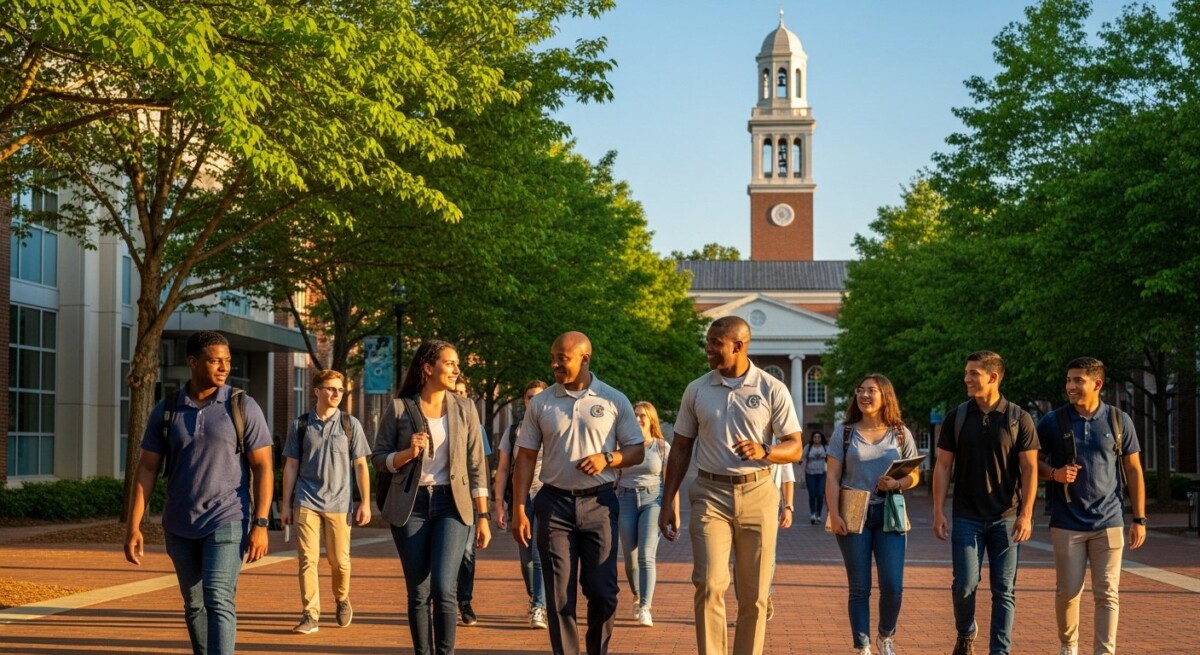
Choosing the right path to a bachelor’s degree in North Carolina can feel overwhelming given the many options available. Whether you are a high school student planning your next step, a working adult seeking career advancement, or a military veteran transitioning to civilian life, understanding the available routes is essential. North Carolina bachelor’s degree pathways have expanded significantly in recent years, offering flexible formats that fit different lifestyles and goals. This guide breaks down the most common and effective ways to earn a four-year degree in the Tar Heel State, helping you make an informed decision about your educational future.
Understanding the Traditional University Pathway
The most recognized route to a bachelor’s degree in North Carolina is through its public university system, the University of North Carolina (UNC) system, which includes 16 institutions such as UNC Chapel Hill, NC State, UNC Charlotte, and Appalachian State. These universities offer a wide range of majors and provide a comprehensive college experience with on-campus housing, extracurricular activities, and face-to-face instruction. Admission is competitive, and applicants typically need a strong high school GPA, SAT or ACT scores, and a record of community involvement.
For students who know their desired field early, this pathway offers clear advantages. Direct entry into a four-year program allows for deep engagement with faculty and peers, access to research opportunities, and a structured timeline to graduation. However, the cost of tuition and fees at UNC institutions can be a barrier for some families. Fortunately, North Carolina residents benefit from lower in-state tuition rates, and many universities offer need-based aid and merit scholarships. For those exploring this option, comparing programs and financial aid packages is critical.
A key advantage of the traditional pathway is the opportunity to build a professional network through campus organizations, internships, and alumni connections. Employers often recruit directly from these universities, and career services offices provide job placement assistance. Yet this path requires a significant time commitment, with most students attending full-time and graduating in four to five years. It is ideal for those who can dedicate themselves to a structured academic schedule and thrive in a campus environment.
Community College to University Transfer Pathways
North Carolina has a well-established transfer system that allows students to start at a community college and then move to a four-year university to complete their bachelor’s degree. This is one of the most popular North Carolina bachelor’s degree pathways, particularly for students seeking a more affordable start. The state’s 58 community colleges, part of the North Carolina Community College System, offer associate degrees and transfer programs designed to align with university requirements.
The Comprehensive Articulation Agreement (CAA) is the backbone of this pathway. It guarantees that students who earn an Associate in Arts (AA) or Associate in Science (AS) degree from a North Carolina community college can transfer as juniors to any UNC system university. This agreement ensures that general education credits transfer seamlessly, saving students time and money. For example, a student who completes an AA at Wake Technical Community College can transfer to NC State or UNC Wilmington without losing credits, provided they meet the receiving university’s major requirements.
Steps to Follow for a Smooth Transfer
To maximize the benefits of this pathway, students should plan carefully. Here are the essential steps:
- Choose a community college and enroll in a transfer program such as the Associate in Arts or Associate in Science, which includes general education courses that satisfy university requirements.
- Meet with an academic advisor early to discuss your intended major and target university. Advisors can help select courses that align with the receiving institution’s prerequisites.
- Maintain a competitive GPA, typically a 2.0 or higher for guaranteed admission under the CAA, though competitive majors may require a 3.0 or above.
- Apply to the four-year university during your final semester of community college, ensuring all transcripts and documentation are submitted on time.
Following these steps reduces the risk of losing credits and delays graduation. Many community colleges also offer honors programs and support services specifically for transfer students, which can strengthen your application and academic readiness.
Financially, this pathway is attractive. Community college tuition in North Carolina averages a few thousand dollars per year, compared to over $7,000 at public universities. By completing the first two years at a community college, students can save tens of thousands of dollars while still earning a degree from a respected university. Additionally, some community colleges have partnerships with specific universities, offering joint admission programs that guarantee a spot upon completion of the associate degree.
Online and Hybrid Degree Programs
For students who need flexibility due to work, family, or other commitments, online bachelor’s degree programs are an increasingly viable option. North Carolina universities offer a growing number of fully online degrees, as well as hybrid programs that combine online coursework with occasional on-campus sessions. These programs are designed to accommodate working adults and those who cannot relocate to a college town.
UNC Online is a centralized platform that lists online degree programs across the UNC system. Students can find bachelor’s degrees in fields like business administration, criminal justice, nursing, and information technology. Online programs follow the same curriculum as on-campus versions and award the same accredited degree. The key difference is the delivery method, which allows students to study from anywhere with an internet connection.
Hybrid programs offer a middle ground. For example, a student might take most courses online but attend weekend labs or intensive summer sessions on campus. This model works well for fields that require hands-on training, such as engineering or health sciences. When exploring these options, it is important to verify that the program is accredited and that the institution is recognized by the Department of Education. For a broader view of how online education compares to traditional formats, you might read our guide on online marketing degree options, which covers similar considerations for a different field.
Online learning requires self-discipline and time management. Students must be proactive about communicating with instructors and peers, as the lack of face-to-face interaction can be isolating. However, many programs now include discussion forums, virtual office hours, and collaborative projects to foster engagement. For those who balance a job or caregiving responsibilities, the ability to access lectures and assignments at any time is a significant advantage.
When evaluating online pathways, consider factors such as tuition rates, which may be the same for in-state and out-of-state students. Some universities also offer reduced tuition for online learners. Additionally, check whether the program provides career services, internship placement, or alumni networking opportunities, as these can impact your job prospects after graduation.
Accelerated and Adult Learner Pathways
North Carolina recognizes that not all students follow a traditional timeline. Accelerated bachelor’s degree programs are designed for motivated students who want to finish in three years instead of four. These programs often involve year-round study, heavier course loads, and summer sessions. They are available at several universities, including UNC Greensboro and East Carolina University, particularly in fields like business and education.
Adult learners, including those who previously attended college but did not complete a degree, have dedicated pathways. The NC Reconnect initiative helps adults return to school by providing streamlined admission processes, credit for prior learning, and support services. Many universities evaluate work experience, military training, and previous coursework to award credit, reducing the time and cost to earn a degree. For example, a veteran with technical training might receive credit toward an engineering technology degree, shortening their path by a year or more.
For those who have some college credits but no degree, completing a bachelor’s through a degree completion program is a practical option. Several UNC institutions offer programs specifically for transfer students, with flexible schedules and online options. These programs often accept up to 90 transfer credits, meaning students only need to complete the remaining 30 to 40 credits to graduate. This pathway is especially valuable for working adults who cannot afford to start over from scratch.
Financial aid is available for adult learners through federal Pell Grants, state grants, and employer tuition reimbursement programs. Many companies in North Carolina, including major employers in the Research Triangle and Charlotte regions, offer tuition assistance as a benefit. Students should check with their human resources department before enrolling, as some employers require approval in advance.
Choosing the Right Pathway for Your Goals
Selecting among North Carolina bachelor’s degree pathways depends on your personal circumstances, career aspirations, and learning preferences. Start by asking yourself a few questions: Do I want a campus experience or need flexibility? Can I afford full-time tuition, or should I start at a community college? Am I willing to relocate, or do I need a program that is entirely online? Answering these questions will narrow your options.
If you are a high school student with strong grades and a clear major in mind, a traditional four-year university might be the right fit. If cost is a concern, the community college transfer pathway offers significant savings without sacrificing the quality of your degree. For working adults, online or accelerated programs provide the flexibility needed to balance education with other responsibilities. Veterans should explore military-friendly schools that offer credit for service and dedicated support offices.
It is also wise to research job placement rates and alumni outcomes for the programs you consider. A degree from a respected university can open doors, but the specific major and the skills you acquire matter more in the job market. Talk to current students or alumni, attend virtual open houses, and use resources like the CollegeDegree.Education matching service to compare programs side by side. The platform helps you find accredited options that align with your goals, making the research process more efficient.
Finally, remember that your pathway does not have to be linear. Many students take breaks, change majors, or transfer between institutions. The key is to stay focused on your end goal and use the resources available to you, including academic advisors, financial aid counselors, and online tools. With careful planning, you can navigate the system and earn a bachelor’s degree that advances your career and personal growth.
For readers who are exploring different academic tracks and want to compare program features, we recommend checking out this resource on academic program insights which provides additional details on how to evaluate degree options across various institutions.
Frequently Asked Questions
What is the cheapest way to get a bachelor’s degree in North Carolina?
The most affordable route is to start at a community college and transfer to a UNC system university under the Comprehensive Articulation Agreement. This saves thousands of dollars on tuition for the first two years while still earning a degree from a four-year institution.
Can I transfer credits from any community college to any UNC university?
Yes, under the Comprehensive Articulation Agreement, credits earned in an Associate in Arts or Associate in Science program at any North Carolina community college are guaranteed to transfer to any UNC system university. However, some major-specific courses may require approval from the receiving university.
Are online bachelor’s degrees from North Carolina universities respected by employers?
Yes, as long as the degree is from an accredited institution. UNC system universities that offer online programs award the same degree as their on-campus counterparts, and employers generally do not distinguish between online and in-person delivery methods.
How long does it take to complete a bachelor’s degree through a transfer pathway?
Most students complete an associate degree in two years and then spend two to three years at a university, depending on their major and course load. Total time is typically four years, similar to a traditional pathway, but with lower overall cost.
What financial aid is available for adult learners in North Carolina?
Adult learners can apply for federal Pell Grants, North Carolina state grants, and institutional scholarships. Many employers also offer tuition reimbursement. The FAFSA is the first step to determine eligibility for need-based aid.
Choosing the right educational path requires research and honest self-assessment. North Carolina bachelor’s degree pathways offer diverse options that can accommodate nearly any situation. Whether you pursue a traditional campus experience, a cost-saving transfer route, or a flexible online program, the state’s educational infrastructure is designed to support your success. Take the time to explore your options, seek guidance from advisors, and use matching services to find programs that fit your needs. With determination and the right plan, you can earn a bachelor’s degree that opens doors to new opportunities.