
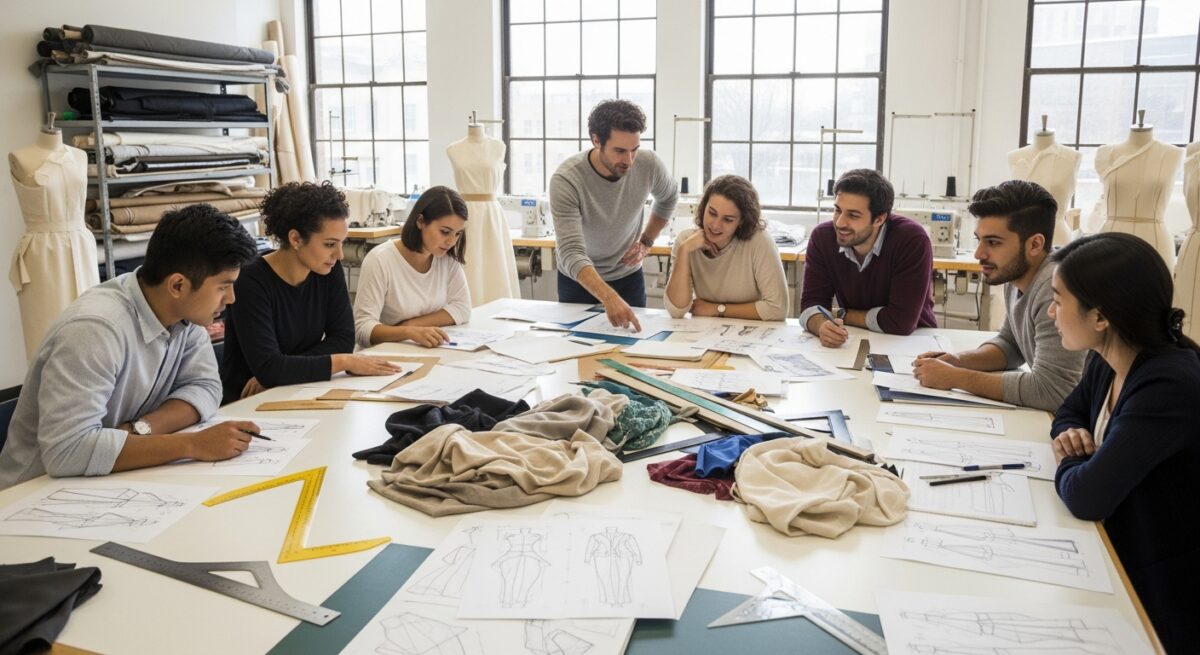
Fashion is more than clothing. It is a multi-billion-dollar global industry that thrives on creativity, technical skill, and business acumen. For those who dream of seeing their designs on runways or in retail stores, the journey often begins with the right education. Understanding the landscape of fashion design degree programs and career path options is essential for making informed decisions that shape your future. Whether you are a high school graduate, a career changer, or a working adult seeking flexibility, the path to a fashion career starts with choosing the right program and knowing where it can lead.
Why Pursue a Fashion Design Degree?
A formal education in fashion design provides more than just technical sewing skills. It builds a foundation in textiles, pattern making, draping, illustration, and the business of fashion. Employers in the competitive fashion industry often seek candidates who have completed a recognized fashion design course from an accredited institution. A degree also opens doors to internships, networking opportunities, and portfolio development that are difficult to replicate through self-study alone. For prospective students using a matching service like CollegeDegree.Education, finding an accredited program that aligns with personal goals and budget is the first step toward a sustainable career.
Types of Fashion Design Degree Programs
Fashion design degree programs come in several formats, each suited to different stages of a career. Associate degrees typically take two years and focus on foundational skills, preparing graduates for entry-level roles such as assistant designers or sample makers. Bachelor of Fine Arts (BFA) in Fashion Design is the most common credential for aspiring designers, offering a comprehensive curriculum that includes design theory, history, and advanced studio work. Master of Fine Arts (MFA) programs are available for those seeking leadership roles or academic positions. Online options have also expanded, allowing students to earn a fashion design degree remotely while balancing work or family commitments.
Associate Degrees in Fashion Design
An associate degree is an excellent starting point for students who want to enter the workforce quickly or test their interest before committing to a four-year program. These programs cover core topics such as basic pattern construction, fabric selection, and fashion sketching. Graduates often find work as assistant designers, merchandising coordinators, or production assistants. Many associate programs also offer transfer agreements with bachelor’s degree programs, making it possible to continue education later.
Bachelor’s Degrees in Fashion Design
The bachelor’s degree remains the gold standard for most design roles in the fashion industry. A typical four-year program includes intensive studio courses, computer-aided design (CAD) training, and business classes. Students build a professional portfolio through projects that simulate real-world design challenges. Internships are often built into the curriculum, providing crucial industry exposure. Graduates emerge prepared for roles such as fashion designer, textile designer, or stylist. When researching fashion design programs, look for those with strong industry connections and alumni success stories.
Online and Accelerated Programs
For working adults or those with geographic constraints, online fashion design degrees offer flexibility without sacrificing quality. Many accredited institutions now deliver coursework through virtual labs, video tutorials, and interactive critiques. In our guide on accelerated degree programs fast track your career path explained, we explain how these options can shorten the time to graduation while maintaining academic rigor. Online programs often require self-discipline and reliable technology, but they can be a practical pathway for motivated students.
Core Skills You Will Develop
Fashion design education is hands-on and demanding. Students learn to translate ideas into tangible garments through a series of interconnected skills. Key areas of focus include:
- Technical Design and Construction: Pattern making, draping, sewing techniques, and garment finishing.
- Textile Science: Understanding fiber properties, fabric construction, dyeing processes, and sustainability.
- Digital Design Tools: Proficiency in Adobe Illustrator, Photoshop, and specialized fashion CAD software.
- Fashion History and Trend Forecasting: Analyzing historical styles and predicting future market directions.
- Business and Marketing: Branding, retail math, supply chain basics, and entrepreneurship.
These competencies prepare graduates not only for design roles but also for positions in production management, buying, and creative direction. The best fashion design programs integrate these skills across the curriculum, ensuring students are job-ready upon graduation.
Career Paths After a Fashion Design Degree
A fashion design degree opens doors to a wide range of careers beyond the traditional runway designer. The industry values versatility, and many graduates build portfolios that span multiple disciplines. Common career paths include:
Fashion Designer
Fashion designers create original clothing, accessories, and footwear. They sketch designs, select fabrics, and oversee the production of samples. Designers may work for large brands, design houses, or start their own labels. Entry-level positions often involve assisting senior designers, with advancement to head designer or creative director over time. The U.S. Bureau of Labor Statistics projects average growth for fashion designers, with competition strongest for high-fashion roles.
Textile Designer
Textile designers focus on the surface of fabrics, creating patterns, prints, and weaves. They work closely with fashion designers to develop materials that meet aesthetic and functional requirements. This role requires knowledge of color theory, printing techniques, and material properties. Textile designers are employed by fabric mills, apparel companies, and home furnishings firms.
Merchandiser and Buyer
Fashion merchandisers and buyers analyze market trends to select products that will sell. They work with designers and vendors to plan collections, set pricing, and manage inventory. A background in design helps these professionals understand the product lifecycle and make informed purchasing decisions. Many companies prefer candidates with a fashion degree combined with business coursework.
Stylist and Image Consultant
Stylists curate outfits for editorial shoots, advertising campaigns, film, television, or private clients. They collaborate with photographers, makeup artists, and designers to create cohesive visual narratives. While formal education is not always required, a fashion design degree provides a strong foundation in garment construction, fit, and aesthetics that sets stylists apart in a competitive field.
Technical Designer and Pattern Maker
Technical designers translate creative concepts into production-ready specifications. They create detailed tech packs, supervise sample development, and ensure garments fit correctly. Pattern makers draft the blueprints for garments, working from sketches to create templates that are used in manufacturing. These roles are critical in bridging the gap between design and production, and they often command higher salaries due to their specialized skills.
How to Choose the Right Program
Selecting a fashion design degree program requires careful research. Accreditation is critical: programs accredited by the National Association of Schools of Art and Design (NASAD) or regional accrediting bodies meet quality standards that employers and graduate schools recognize. Consider factors such as location (proximity to fashion hubs like New York or Los Angeles), faculty expertise, alumni network, internship placement rates, and cost. Online students should verify that virtual resources, such as digital sewing labs and critique sessions, are comparable to in-person offerings. Using a matching service like CollegeDegree.Education can simplify the search by connecting you with accredited programs that match your preferences for format, budget, and career goals.
Financial considerations are equally important. Tuition for fashion design programs varies widely, from affordable community college options to prestigious private art schools. Explore financial aid, scholarships, and payment plans. Some employers also offer tuition reimbursement for employees pursuing relevant degrees. Balancing cost with program quality ensures you invest wisely in your future.
Building a Portfolio and Gaining Experience
Your portfolio is your most powerful tool when entering the fashion industry. Throughout your degree program, you will compile projects that demonstrate your design process, technical skills, and creativity. Include sketches, mood boards, photographs of finished garments, and any professional work from internships or freelance projects. A strong portfolio often matters more than grades when applying for jobs. Seek feedback from instructors and peers, and update your portfolio regularly. Additionally, internships provide real-world experience and networking opportunities that can lead to job offers. Many fashion design programs require or strongly encourage at least one internship before graduation.
Salary Expectations and Job Outlook
Salaries in fashion design vary by role, experience, and location. According to the Bureau of Labor Statistics, the median annual wage for fashion designers was approximately $77,000 in 2023, with top earners in management, wholesale, and specialized design services. Entry-level positions typically start lower, often between $40,000 and $55,000. Technical designers and pattern makers may earn higher starting salaries due to the specialized nature of their work. Job growth for fashion designers is projected at around 3% over the next decade, slower than the average for all occupations, which underscores the importance of a strong portfolio and relevant degree. Graduates who combine design skills with business knowledge or digital expertise often have better prospects. For those seeking stability, roles in technical design, merchandising, or production management offer more consistent demand.
Frequently Asked Questions
Do I need a fashion design degree to become a designer?
While it is possible to enter the industry without a degree, most competitive positions require formal training. A degree provides structured learning, access to industry tools, and a network of peers and mentors. It also signals to employers that you have committed to mastering the craft.
Can I earn a fashion design degree online?
Yes, many accredited institutions offer online fashion design degrees. These programs use video tutorials, digital critique sessions, and mailed materials for hands-on projects. Online education is ideal for working adults or those without access to a campus program.
What is the difference between a fashion design degree and a fashion merchandising degree?
Fashion design focuses on the creative and technical process of making garments. Fashion merchandising emphasizes the business side, including buying, marketing, and retail management. Some programs offer combined curricula, and many students choose a minor in the complementary field.
How long does it take to complete a fashion design degree?
An associate degree takes about two years, a bachelor’s degree four years, and a master’s degree an additional one to two years. Accelerated programs may shorten these timelines. Part-time study extends the duration but offers flexibility.
What skills are most important for a fashion designer?
Creativity, attention to detail, sewing and pattern-making skills, knowledge of textiles, proficiency in design software, and strong communication abilities are essential. Business acumen and trend awareness also contribute to long-term success.
For additional resources on financial aid and school selection, you can explore guidance from college and tuition planning sites that help students navigate the costs and options associated with higher education.
The fashion industry rewards those who combine passion with preparation. Whether you dream of launching your own label or working behind the scenes at a major brand, the right fashion design degree programs and career path planning can turn that vision into reality. Start by researching accredited programs, building your skills, and connecting with professionals in the field. Every successful designer began with a single stitch and the courage to learn the craft.