
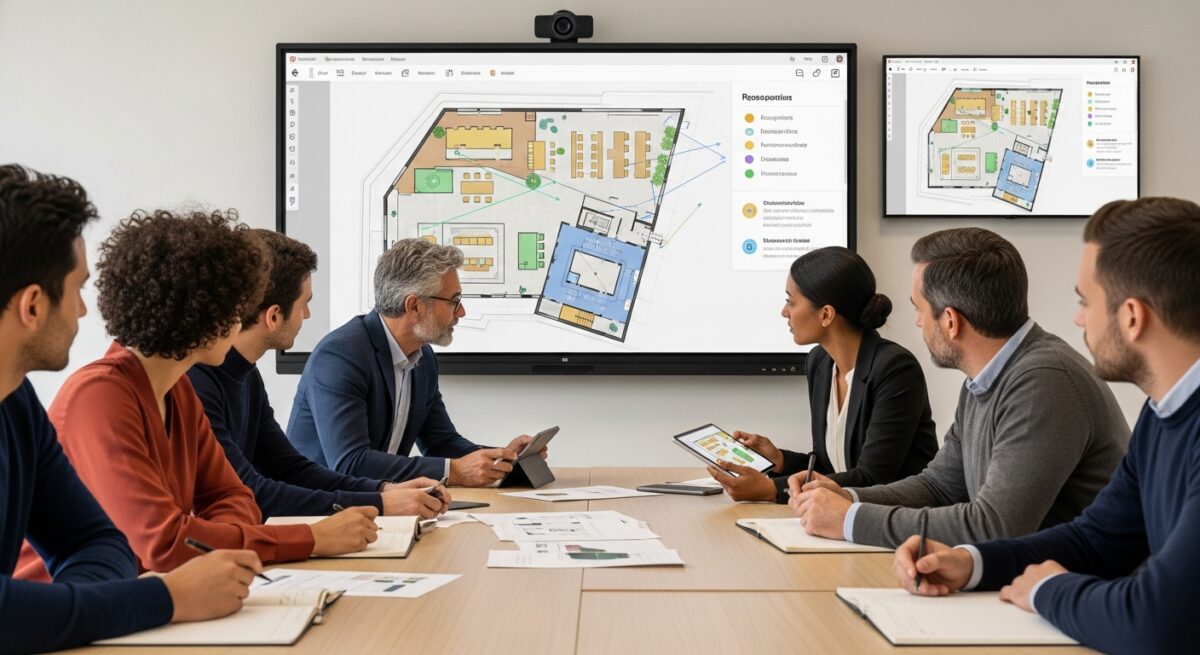
Imagine orchestrating a high-profile corporate conference where every detail from the registration flow to the keynote speaker’s arrival runs without a hitch. Or picture yourself curating a sold-out music festival, coordinating vendors, security, and crowd flow under tight deadlines. This is the world of event management, a field that demands creativity, logistics expertise, and calm under pressure. If you have ever wondered how to turn this passion into a profession, understanding the event management degree course details and career scope is your first essential step. This article provides a comprehensive look at what these programs entail, the skills you will gain, and the diverse career paths available to graduates.
What Is an Event Management Degree?
An event management degree is a specialized academic program designed to prepare students for the planning, coordination, and execution of events of all sizes. These events range from intimate weddings and corporate meetings to large-scale trade shows, sporting events, and international conferences. The curriculum blends business fundamentals with hands-on project management, marketing, hospitality, and risk assessment. Unlike a general business administration degree, an event planning degree focuses specifically on the lifecycle of an event: concept development, budgeting, vendor negotiation, on-site logistics, and post-event evaluation. Many programs also offer concentrations in areas such as wedding planning, festival management, or corporate event strategy, allowing students to tailor their studies to their career goals.
Most universities offer this degree at the associate, bachelor’s, and master’s levels. A typical bachelor’s program spans four years and includes a mix of classroom instruction, simulations, and required internships. The curriculum is often housed within a school of hospitality management studies or a department of tourism and recreation, reflecting the interdisciplinary nature of the field. Students learn not only how to plan events but also how to manage budgets, market to target audiences, and navigate legal and safety regulations. This combination of soft skills and technical knowledge makes graduates highly employable in a competitive job market.
Core Course Details and Curriculum Breakdown
To fully grasp the event management degree course details and career scope, it helps to examine the typical coursework. While programs vary by institution, most share a foundational core of business and communication classes, followed by specialized event-focused modules. Here is a breakdown of what you can expect:
Foundation Courses
The first one to two years of a bachelor’s program often include general education requirements and introductory business courses. These classes build a strong base in areas like accounting, marketing principles, organizational behavior, and business law. For example, a course in financial accounting teaches students how to create and track event budgets, while a marketing class covers branding and promotional strategies essential for attracting attendees. Communication courses are also critical, as event professionals must write proposals, deliver presentations, and negotiate with clients and vendors daily. These foundation courses ensure that students have the business acumen to manage an event’s financial and operational aspects from day one.
Specialized Event Management Courses
Once the foundation is set, the curriculum dives into dedicated event planning and management subjects. Common courses include:
- Event Design and Production: This course covers the creative side of event planning, including theme development, décor, lighting, audiovisual setup, and floor plan design. Students learn to translate a client’s vision into a tangible experience.
- Risk Management and Legal Issues: Events involve significant liability, from crowd control to alcohol service. This class teaches students about insurance, contracts, permits, and emergency preparedness. Understanding these legal frameworks is crucial for protecting both the event organizer and attendees.
- Event Marketing and Sponsorship: Students explore strategies for promoting events through digital marketing, public relations, and social media. They also learn how to secure sponsorships and build partnerships that offset costs and enhance the event’s credibility.
- Logistics and Operations Management: This course focuses on the nuts and bolts of execution: vendor coordination, transportation, catering, registration systems, and timeline management. It often includes case studies of successful (and failed) events to illustrate best practices.
- Hospitality and Guest Services: Since events are a hospitality-driven industry, this class covers customer service excellence, attendee experience design, and managing special needs or dietary restrictions.
These courses are typically taught through a combination of lectures, group projects, and real-world simulations. For instance, a logistics class might require students to plan a mock gala, complete with a budget, vendor list, and risk assessment. This hands-on approach ensures that graduates are not just theorists but practical problem-solvers ready to enter the workforce.
Internships and Capstone Projects
A hallmark of quality event management programs is the emphasis on experiential learning. Most bachelor’s degrees require at least one internship with an event planning company, hotel, sports venue, or nonprofit organization. Internships allow students to apply classroom knowledge in a professional setting, build a portfolio of work, and network with industry professionals. Some programs also include a capstone project, where students plan and execute a real event from start to finish. This might be a campus fundraiser, a community festival, or a corporate networking mixer. The capstone is often the highlight of the degree, providing tangible evidence of a student’s capabilities to future employers.
Skills You Gain from an Event Planning Degree
Beyond the specific course content, an event planning degree cultivates a versatile skill set that is valuable across many industries. Employers look for candidates who can juggle multiple priorities, communicate effectively, and solve problems on the fly. Here are the key competencies you can expect to develop:
- Project Management: You learn to break down complex events into manageable tasks, set deadlines, and track progress using tools like Gantt charts or software like Asana and Trello.
- Budgeting and Financial Analysis: You gain proficiency in creating detailed budgets, negotiating contracts, and calculating return on investment for sponsors or stakeholders.
- Negotiation and Vendor Management: You practice negotiating with caterers, venues, and entertainers to secure the best terms while maintaining positive relationships.
- Crisis Management: When a speaker cancels at the last minute or a storm threatens an outdoor event, you learn to stay calm, assess options, and implement a backup plan quickly.
- Digital Marketing and Social Media: You understand how to use platforms like Instagram, LinkedIn, and email marketing to build buzz and drive attendance.
- Leadership and Teamwork: Events require collaboration with diverse teams, from volunteers to executives. The degree trains you to lead, delegate, and motivate others toward a common goal.
These skills are transferable and highly sought after. Even if a graduate later moves into a different field, the ability to manage complex projects and communicate with stakeholders remains an asset.
Career Scope and Job Opportunities
Now let us turn to the most compelling part of the event management degree course details and career scope: the career opportunities. The events industry is vast and continues to grow as businesses and individuals invest in memorable experiences. According to the U.S. Bureau of Labor Statistics, employment of meeting, convention, and event planners is projected to grow faster than the average for all occupations, driven by the ongoing need for organizations to engage clients, employees, and communities. Graduates can pursue roles in several sectors:
Corporate Event Planning
Many large corporations have in-house event teams that organize product launches, sales conferences, employee retreats, and shareholder meetings. Corporate event planners often work closely with marketing and human resources departments to align events with company goals. The pay is competitive, and the work offers a steady schedule compared to some other event sectors. A corporate event planner might start as a coordinator and advance to a director of events, overseeing multimillion-dollar budgets and global teams.
Wedding and Social Event Planning
For those who love creativity and personalized service, wedding and social event planning is a popular path. Wedding planners work directly with couples to design their dream day, managing everything from venue selection to floral arrangements. This career can be entrepreneurial, with many planners starting their own businesses. While the income can vary, successful wedding planners in metropolitan areas earn substantial fees and often develop a loyal client base through referrals. The emotional reward of creating a couple’s perfect celebration is a major draw for many in this specialty.
Sports and Entertainment Event Management
This sector covers concerts, festivals, sporting events, and award ceremonies. Roles here include venue coordinators, tour managers, and festival producers. The work is fast-paced and often requires travel and irregular hours. However, the excitement of being part of large-scale productions and the opportunity to work with artists, athletes, and celebrities make it a dream career for many. In our guide on Bachelor of Construction Management Degree Guide: Your Path to a Building Career, we explain how project management principles overlap with construction, but in events, those same principles are applied to temporary structures and experiences.
Nonprofit and Association Events
Nonprofit organizations host fundraising galas, charity runs, and awareness campaigns. Association management companies also organize annual conferences for professional groups. These roles offer the satisfaction of supporting a cause while honing event skills. Planners in this sector must be adept at working with limited budgets and maximizing volunteer contributions. The work is mission-driven, which can be deeply fulfilling for those who want their career to have a social impact.
Hospitality and Venue Management
Hotels, resorts, convention centers, and unique venues employ event managers to sell and service events held on their premises. A hotel event manager, for example, coordinates with clients on room setups, catering, and audiovisual needs. This role provides a stable work environment and the opportunity to interact with a wide variety of event types. It is an excellent entry point for graduates who want to gain broad experience before specializing.
Salary Expectations and Growth Potential
Salary for event management professionals varies by role, location, and experience level. According to industry surveys, entry-level event coordinators in the United States earn between $35,000 and $45,000 annually. With three to five years of experience, salaries typically rise to $50,000 to $65,000. Senior event managers, directors, and those in high-demand sectors like corporate events or sports management can earn $75,000 to $100,000 or more. Freelance and self-employed planners have more variable income, but successful practitioners often exceed these ranges. Additionally, many employers offer bonuses tied to event success or cost savings, providing further financial incentive.
Geographic location also plays a significant role. Major cities with robust hospitality and business sectors, such as New York, Los Angeles, Chicago, and Las Vegas, offer higher salaries but also higher living costs. Remote event planning has become more common post-pandemic, allowing professionals to serve clients nationwide and potentially earn higher rates without relocating.
How to Choose the Right Program
With many schools offering event management or hospitality management studies, selecting the right program requires careful research. Look for programs accredited by recognized bodies such as the Accreditation Commission for Programs in Hospitality Administration (ACPHA) or the Association to Advance Collegiate Schools of Business (AACSB). Accreditation ensures the curriculum meets industry standards and that credits transfer more easily. Additionally, investigate the program’s internship placement record, faculty expertise, and alumni network. A program with strong ties to local event companies, hotels, or sports venues will provide better hands-on opportunities. Finally, consider the format that fits your life: many accredited online degree programs now offer fully remote event management degrees, which can be ideal for working adults or those with family commitments. Online programs often include virtual simulations and require students to arrange internships in their own communities, providing flexibility without sacrificing practical experience.
Frequently Asked Questions
Is a degree necessary to become an event planner?
While some successful event planners enter the field through experience alone, a degree provides a competitive advantage. It offers structured training, industry connections, and a credential that many employers require. For corporate and high-budget events, a degree is often a minimum qualification.
What is the difference between an event management degree and a hospitality management degree?
Hospitality management studies cover a broader range of topics, including hotel operations, food and beverage management, and tourism. An event management degree is more focused on the planning and execution of specific events. Both overlap, but event management is more specialized.
Can I complete an event management degree online?
Yes, many accredited universities offer fully online bachelor’s and master’s degrees in event management. These programs are designed for flexibility and often include virtual simulations, live webinars, and local internship placements.
What software tools will I learn in an event management program?
Common tools include event management platforms like Cvent, Social Tables, and Eventbrite, as well as project management software like Asana and Trello. You may also learn customer relationship management (CRM) systems and basic graphic design tools.
What are the biggest challenges in event management?
The top challenges include managing tight budgets, handling last-minute changes, ensuring attendee safety, and maintaining work-life balance during peak seasons. Strong problem-solving skills and resilience are essential for long-term success.
Start Your Journey in Event Management
Understanding the event management degree course details and career scope reveals a field rich with opportunity for those who are organized, creative, and passionate about bringing people together. Whether you dream of planning international conferences, intimate weddings, or world-class festivals, a degree in event management provides the knowledge, skills, and network to turn that dream into a career. The industry values professionals who can deliver flawless experiences while adapting to unexpected challenges, and there has never been a better time to enter this dynamic profession. Take the next step by exploring accredited programs, speaking with admissions advisors, and envisioning the events you will one day bring to life. For more resources on finding the right degree path, visit DegreeOnline.Education to compare programs and connect with schools that match your goals. Your future in event management starts now.