
Your Guide to Physical Therapy Assistant Degree Programs
This detailed guide covers accredited PTA degree paths, admissions strategies, and financial planning to launch your allied health career.

By Lucas Martin
Choosing to become a Physical Therapy Assistant (PTA) is a decision that leads to a stable, rewarding career in one of healthcare’s most dynamic and growing fields. As a vital member of the rehabilitation team, a PTA works directly with patients under the supervision of a Physical Therapist, helping individuals recover from injuries, manage chronic conditions, and regain their mobility and independence. The pathway to this career is clear and structured, centered on completing an accredited associate degree program. This comprehensive guide to physical therapy assistant programs will walk you through every critical step, from understanding the educational requirements and navigating the admissions process to launching your career and understanding the financial investment. Our goal is to provide you with the detailed information and context you need to make an informed decision about your future in allied health.
Understanding the PTA Role and Career Outlook
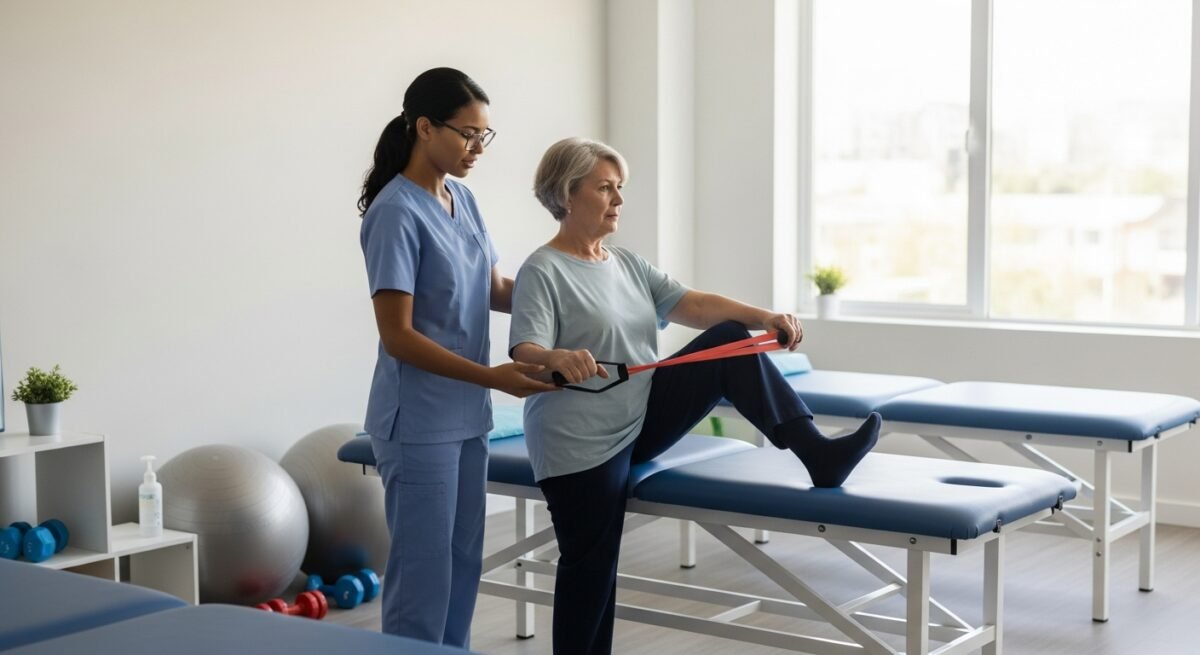
Before diving into the specifics of PTA programs, it’s essential to have a clear picture of the profession you are entering. Physical Therapy Assistants are hands-on clinicians. Their day-to-day responsibilities include implementing treatment plans developed by the Physical Therapist, which may involve guiding patients through therapeutic exercises, administering modalities like ultrasound or electrical stimulation, performing manual therapy techniques, and educating patients and families on proper movement and home exercise programs. They work in diverse settings, including hospitals, outpatient clinics, skilled nursing facilities, schools, and home health.
The career outlook for PTAs is exceptionally strong. The U.S. Bureau of Labor Statistics consistently projects much faster-than-average growth for the profession, driven by an aging population seeking to remain active and the increasing prevalence of chronic conditions like diabetes and obesity. This demand translates into job security and competitive salaries. Understanding this positive landscape is a key motivator for many students embarking on their educational journey through physical therapy assistant programs.
The Core of Your Education: Accredited Associate Degree Programs
All states require PTAs to hold an associate degree from a program accredited by the Commission on Accreditation in Physical Therapy Education (CAPTE). This accreditation is non-negotiable, as it is required for licensure eligibility. A typical PTA associate degree program is a two-year, full-time commitment, though some schools offer part-time or accelerated tracks. The curriculum is a rigorous blend of classroom instruction, laboratory practice, and extensive clinical education.
The coursework is designed to build a strong foundation in the sciences and the practical skills needed for patient care. You will study subjects like anatomy, physiology, kinesiology, neuroscience, and pathology. Concurrently, you will learn clinical skills in courses focused on therapeutic exercise, orthopedics, neurology, and patient care procedures. The clinical education component is where theory meets practice. Students complete multiple full-time clinical rotations in different healthcare settings, working directly with patients under the supervision of a licensed clinician. This hands-on experience is invaluable and a core requirement of all quality PTA programs.
Key Steps to Choosing and Applying to a PTA Program
Selecting the right program requires careful research and planning. Not all physical therapy assistant programs are identical, and finding one that aligns with your learning style, schedule, and career goals is crucial. Start by using the CAPTE website to verify the accreditation status of any program you consider. From there, you can compare several critical factors.
Here are the essential elements to research when evaluating PTA programs:
- Program Format & Schedule: Determine if the program is offered on-campus, in a hybrid format, or fully online (though clinicals are always in-person). Consider class schedules and whether they accommodate work or family commitments.
- Admission Requirements: These are often competitive. Common prerequisites include completion of specific college-level courses (e.g., anatomy, physiology, psychology), a minimum GPA, observation hours in a physical therapy setting, and interviews.
- Program Length & Cost: Compare total tuition, fees, and additional expenses like books, uniforms, and background checks. Investigate the program’s graduation rate, licensure exam pass rate, and job placement rate for graduates.
- Clinical Affiliations: Strong programs have partnerships with a wide variety of clinical sites, which can provide diverse experiences and networking opportunities.
- Campus Culture & Support: Look for programs that offer robust student support services, such as tutoring, career counseling, and financial aid advising.
Once you have identified target programs, create a detailed application plan. This often involves submitting transcripts, completing prerequisite courses, securing letters of recommendation, writing a personal statement, and documenting your observation hours. Starting this process early is key, as deadlines can be strict and prerequisites can take time to complete. For a deeper look at the doctoral-level path in this field, which outlines the supervisory role, our detailed resource, Your Guide to the Doctor of Physical Therapy Degree (DPT), provides essential context.
Financing Your PTA Education
Investing in your education is a significant step, but numerous financial aid options exist to make it manageable. The first step for any student is to complete the Free Application for Federal Student Aid (FAFSA). This form determines your eligibility for federal grants, work-study programs, and loans. Many states and institutions also use the FAFSA data to award their own aid. Beyond federal aid, actively search for scholarships offered by professional organizations like the American Physical Therapy Association (APTA), local healthcare foundations, and the colleges themselves. Some employers, particularly large hospital systems, may offer tuition reimbursement or assistance programs for employees pursuing allied health degrees. It is also wise to create a personal budget that accounts for potential lost income during intensive study and clinical periods. Responsible financial planning, including seeking college degree guidance on comparing total costs, is a critical part of your educational journey.
Life After Graduation: Licensure and Launching Your Career
Graduation is a major milestone, but it is not the final step to practicing as a PTA. Every state requires licensure or certification. The process universally involves passing the National Physical Therapy Exam (NPTE) for Physical Therapist Assistants, administered by the Federation of State Boards of Physical Therapy (FSBPT). Most states also have additional requirements, such as a jurisprudence exam on state laws, background checks, and application fees. It is imperative to check the specific requirements of the state where you intend to practice well before you graduate.
After securing your license, you are ready to begin your job search. The clinical rotations you completed during your program are your first professional network. Leverage those connections, attend career fairs, and utilize your school’s career services. When preparing for interviews, be ready to discuss your hands-on clinical experiences and how they prepared you for the specific demands of the job. Consider settings that align with your interests, whether it’s the fast pace of an outpatient orthopedic clinic or the long-term patient relationships common in home health.
Frequently Asked Questions About PTA Programs
What is the difference between a PTA and a Physical Therapy Aide?
This is a fundamental distinction. A PTA is a licensed clinical professional with an associate degree who provides direct patient care. A Physical Therapy Aide typically has on-the-job training and performs supportive, non-clinical tasks like cleaning equipment and preparing treatment areas. The educational path and scope of practice are vastly different.
Can I complete a PTA program online?
Yes, many accredited programs offer hybrid or online formats for the didactic (classroom) portion of the curriculum. However, all programs require in-person laboratory sessions and full-time clinical education experiences that must be completed at approved healthcare facilities.
How competitive are PTA program admissions?
Admission can be competitive due to strong demand for the profession and limited cohort sizes in programs. Excelling in prerequisite courses, gaining quality observation hours, and presenting a strong overall application are essential to stand out.
What is the average salary for a PTA?
According to the U.S. Bureau of Labor Statistics, the median annual wage for physical therapist assistants is competitive within the allied health field. Salaries can vary based on geographic location, years of experience, and practice setting (e.g., home health often pays higher than schools).
Are there opportunities for career advancement for a PTA?
Absolutely. While the core role is stable, PTAs can specialize in areas like geriatrics, orthopedics, or neurology. They can become clinical instructors, take on supervisory roles in rehab departments, or move into related areas like healthcare administration or medical device sales. Some PTAs also choose to bridge to become licensed Physical Therapists by returning to school for a Doctor of Physical Therapy degree.
Embarking on the path to become a Physical Therapy Assistant is a commitment to a career defined by purpose, growth, and human connection. This physical therapy assistant programs degree guide has outlined the structured yet demanding journey, from selecting an accredited program to passing your licensure exam. The field offers not just a job, but a profession where you can make a tangible difference in people’s lives every day. By thoroughly researching your options, preparing a strong application, and engaging fully in your education, you are building the foundation for a successful and fulfilling future in healthcare. Your journey starts with informed action.