
Your Guide to an Associate Degree in Nursing in Vermont
Launch your nursing career in Vermont with a practical two-year Associate Degree in Nursing. This path leads directly to RN licensure and high-demand healthcare jobs.

By Lucas Martin
For many aspiring nurses in Vermont, the most direct and efficient path to a rewarding healthcare career begins with an Associate Degree in Nursing (ADN). This practical, two-year program provides the essential clinical skills and theoretical knowledge required to sit for the NCLEX-RN licensure exam and enter the workforce as a Registered Nurse (RN). In Vermont, with its unique rural healthcare landscape and strong community-focused medical centers, ADN graduates are in high demand. This guide will walk you through everything you need to know about pursuing an ADN in the Green Mountain State, from program specifics and admission requirements to career outcomes and the critical next steps for advancing your nursing education.
Understanding the ADN Pathway in Vermont
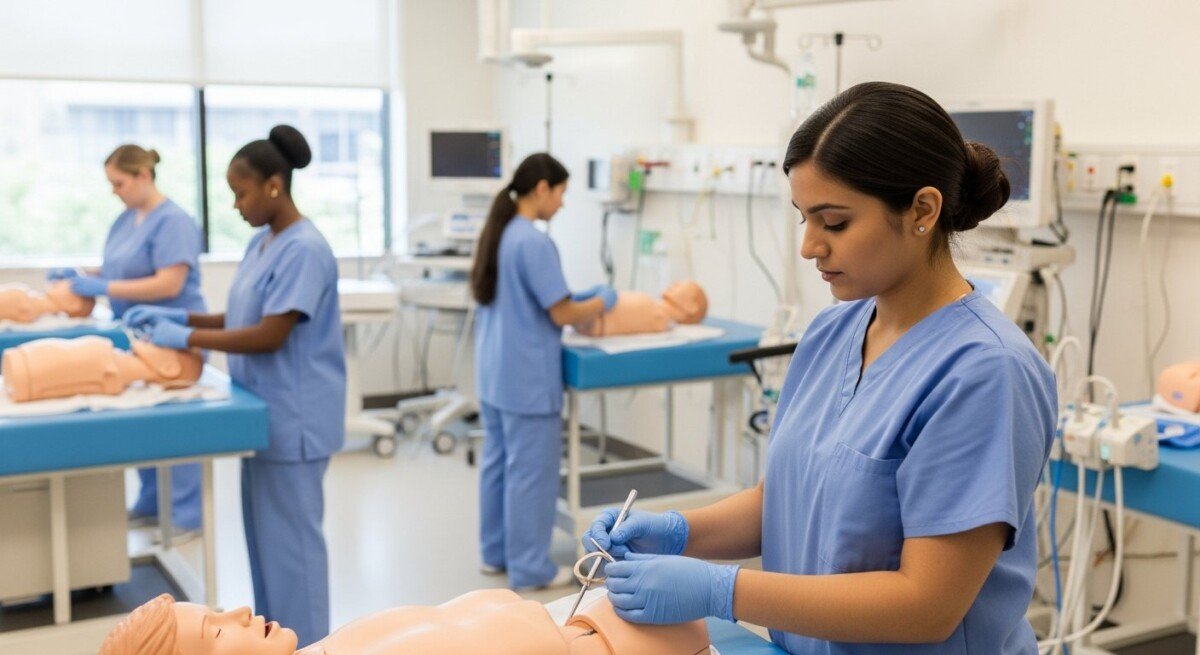
An Associate Degree in Nursing is a foundational nursing program typically offered at community colleges and technical centers. In Vermont, these programs are designed to be completed in approximately two years of full-time study, though part-time and accelerated tracks may be available at some institutions. The curriculum blends classroom instruction in subjects like anatomy, physiology, microbiology, and nursing fundamentals with hands-on clinical rotations in various healthcare settings. This combination ensures graduates are practice-ready. Upon successful completion, graduates are awarded an Associate of Science (AS) in Nursing and are eligible to take the National Council Licensure Examination for Registered Nurses (NCLEX-RN). Passing this exam grants state licensure, allowing you to practice as an RN in Vermont and across the country through the Nurse Licensure Compact (NLC), which Vermont participates in.
The value of the ADN in Vermont cannot be overstated. It serves as a critical access point to the nursing profession, often at a significantly lower cost than a four-year Bachelor of Science in Nursing (BSN) program. For students mindful of student debt, or for career-changers who need to enter the workforce quickly, the ADN is a strategic choice. Furthermore, Vermont’s healthcare employers, including its network of critical access hospitals, federally qualified health centers, and long-term care facilities, actively recruit ADN-prepared nurses to meet staffing needs. The journey from classroom to bedside is streamlined, with a clear focus on developing competent, compassionate patient caregivers.
Vermont ADN Program Options and Key Details
Prospective students in Vermont have several excellent options for pursuing an ADN. The primary providers are the Vermont State Colleges system and a select few private institutions. Each program is approved by the Vermont State Board of Nursing and must hold national accreditation from either the Accreditation Commission for Education in Nursing (ACEN) or the Commission on Collegiate Nursing Education (CCNE). This accreditation is non-negotiable, as it ensures educational quality and is required for licensure and for future enrollment in RN-to-BSN completion programs.
Typical admission requirements for Vermont ADN programs are competitive and include a high school diploma or GED, completion of prerequisite courses (such as English composition, college-level math, and lab sciences often with minimum grade requirements), TEAS (Test of Essential Academic Skills) exam scores, CPR certification, and a clear criminal background check. Many programs also require or strongly recommend direct patient care experience, such as work as a Licensed Nursing Assistant (LNA). The clinical component is a cornerstone of the ADN experience. Students will complete hundreds of hours of supervised clinical practice in local hospitals, clinics, and community health agencies, gaining invaluable real-world experience. For comprehensive college degree guidance on comparing tuition, fees, and financial aid options across different nursing programs, dedicated resources can help clarify the financial planning process.
Curriculum and Licensure Preparation
The ADN curriculum is meticulously structured to build nursing competency. Coursework progresses from foundational concepts to complex patient care management. You will study medical-surgical nursing, pediatrics, maternity care, mental health nursing, and pharmacology. A strong emphasis is placed on developing clinical judgment, patient safety protocols, and effective communication skills. The program culminates in a capstone or preceptorship experience, where students work one-on-one with an RN, managing a patient load under supervision. This intensive preparation is specifically geared toward success on the NCLEX-RN. Vermont programs integrate NCLEX-style questions and review throughout the curriculum, ensuring graduates are thoroughly prepared for the computerized adaptive test that stands between them and their RN license.
Career Outlook and Advancement for ADN Nurses in Vermont
The career outlook for Registered Nurses in Vermont is exceptionally positive. The state, like much of the nation, faces an aging population and nurse retirements, creating a sustained demand for nursing professionals. ADN-prepared RNs in Vermont find employment in diverse settings including hospital medical-surgical units, emergency departments, long-term care facilities, physicians’ offices, home health agencies, and public health departments. Entry-level RN positions offer competitive salaries and benefits, providing a stable financial foundation. The experience gained in these first years of practice is invaluable, not just for clinical skill development but also for clarifying one’s nursing interests and specialties.
While an ADN provides a license to practice, the landscape of nursing is increasingly emphasizing the BSN degree. Many healthcare employers, especially larger hospital systems, strongly prefer or require a BSN for hire or promotion. This is not a barrier but a structured pathway for advancement. Vermont supports and encourages ADN nurses to continue their education through accessible RN-to-BSN completion programs. These programs, often offered online or in hybrid formats, are designed for working nurses. They build upon the ADN foundation, adding coursework in leadership, community health, research, and public policy. Pursuing a BSN can open doors to specialized nursing roles, leadership positions like charge nurse or unit manager, and higher earning potential. It is a natural and expected progression in a lifelong nursing career.
Key steps for career advancement after earning your ADN and RN license in Vermont include:
- Secure Your First RN Position: Gain 1-2 years of solid bedside experience in a clinical setting.
- Enroll in an RN-to-BSN Program: Research and select an accredited program that fits your schedule, many of which offer online flexibility.
- Consider Specialty Certification: After gaining experience, you can pursue certifications in areas like critical care (CCRN), oncology (OCN), or pediatric nursing (CPN).
- Explore Advanced Practice: With a BSN, you can later pursue a Master of Science in Nursing (MSN) to become a Nurse Practitioner, Nurse Anesthetist, Clinical Nurse Specialist, or Nurse Midwife, roles that are crucial in Vermont’s healthcare system.
Financial Considerations and Support Resources
Investing in an ADN is a significant decision, but numerous financial resources exist to support Vermont nursing students. Tuition at Vermont’s community colleges is generally more affordable than at four-year universities. Beyond tuition, students must budget for fees, textbooks, uniforms, clinical supplies, and licensing exam fees. The first step for all students is to complete the Free Application for Federal Student Aid (FAFSA) to determine eligibility for federal grants, loans, and work-study programs. Vermont also offers state-specific aid, such as the Vermont Incentive Grant. Furthermore, many healthcare employers in Vermont offer tuition reimbursement or loan forgiveness programs as part of their benefits package, especially for nurses who commit to working for them for a specified period after graduation. This can make advancing to a BSN virtually cost-free for the employee.
Prospective students should also actively seek out scholarships from local organizations, hospitals, and the Vermont Student Assistance Corporation (VSAC). The return on investment for an ADN is typically high, given the strong starting salaries for RNs in the region. When evaluating programs, it is wise to look beyond the sticker price and consider the program’s NCLEX-RN pass rates and job placement rates for graduates, as these are strong indicators of program quality and your likely success. For a broader perspective on nursing education pathways, you can explore how other states structure their programs, such as in our guide on the associate degree in nursing process in Nevada.
Frequently Asked Questions
How long does it take to complete an ADN program in Vermont?
Most full-time ADN programs in Vermont are designed to be completed in two academic years (four semesters). Part-time options may extend this timeline to three or four years.
Can I complete my Vermont ADN program online?
While the theoretical coursework for an ADN is increasingly offered in hybrid or online formats, the clinical component cannot be completed online. All accredited ADN programs require in-person, supervised clinical hours at approved healthcare facilities.
What is the average salary for an ADN-prepared RN in Vermont?
Salaries vary based on location, facility type, and experience. According to state labor data, the average annual wage for Registered Nurses in Vermont typically ranges from $70,000 to $85,000, with hospital settings often at the higher end of the scale.
Does Vermont require a BSN for RN licensure?
No. Vermont, like all states, requires passing the NCLEX-RN for licensure. An ADN from an accredited program qualifies you to take this exam. The “BSN in 10” legislation is discussed but is not currently law in Vermont.
Are there accelerated ADN programs in Vermont?
Some institutions may offer accelerated tracks for students who have already completed prerequisite courses or hold a prior degree. It is best to check directly with the admissions offices of individual colleges for the most current program structures.
Pursuing an Associate Degree in Nursing in Vermont is a powerful first step toward a stable, fulfilling, and impactful career in healthcare. The path is clear, the support systems are robust, and the need for skilled nurses throughout the state is acute. By carefully selecting an accredited program, leveraging available financial aid, and planning for continuous education, you can build a lasting nursing career that serves your community and fulfills your professional aspirations. The journey begins with that first application, leading to a role where you can make a tangible difference in the lives of Vermonters every day.