
Your Diagnostic Medical Sonography Degree Guide
This guide explains diagnostic medical sonography degree paths, from program types to certification, helping you launch a stable healthcare imaging career.

By Mason Reed
If you are drawn to a healthcare career that blends cutting-edge technology with direct patient care, diagnostic medical sonography might be your calling. Often referred to as ultrasound technology, this field offers a dynamic, in-demand profession with a relatively fast educational pathway. This comprehensive guide demystifies the process of earning a diagnostic medical sonography degree, outlining the educational routes, key curriculum components, certification requirements, and the career landscape that awaits. Understanding what a diagnostic medical sonography degree entails is the crucial first step toward a rewarding role in medical imaging.
Understanding the Role of a Diagnostic Medical Sonographer
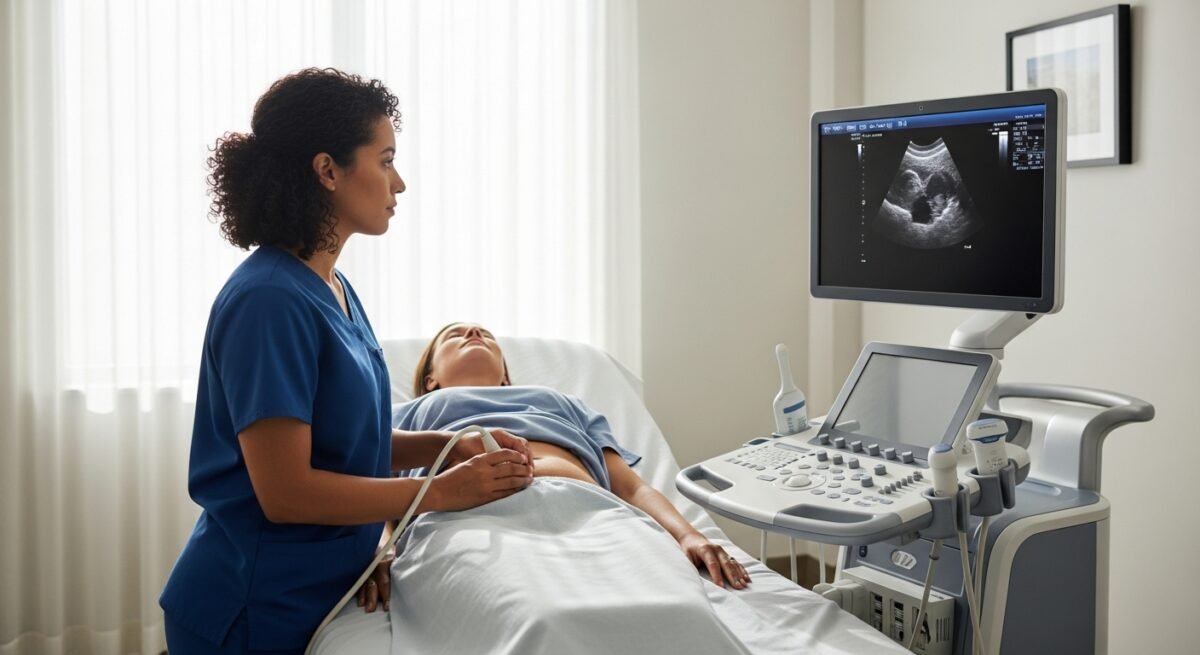
Before diving into degree specifics, it is essential to grasp what a diagnostic medical sonographer does. These skilled professionals operate specialized equipment that uses high-frequency sound waves to produce images of internal organs, blood flow, and developing fetuses. Unlike other imaging modalities, sonography does not use ionizing radiation, making it a safe and versatile tool. Sonographers are not just technicians, they are diagnosticians who work directly with patients, explaining procedures, obtaining diagnostic images, and providing preliminary findings to physicians. Their expertise is critical in areas like obstetrics, cardiology, vascular health, and abdominal imaging. The role requires a blend of technical proficiency, anatomical knowledge, and compassionate patient interaction.
Types of Diagnostic Medical Sonography Programs
Diagnostic medical sonographer schooling is structured to provide both theoretical knowledge and extensive hands-on clinical experience. Prospective students can choose from several accredited pathways, each with its own timeline and prerequisites. The most common entry point into the profession is through a post-secondary certificate or degree program. It is vital to select a program accredited by the Commission on Accreditation of Allied Health Education Programs (CAAHEP), as this is a prerequisite for most professional certifications.
The primary types of diagnostic medical sonography programs include:
- Associate Degree: This is the most prevalent and efficient path, typically requiring two years of full-time study. It combines general education courses with core sonography curriculum and clinical rotations. For a detailed look at this popular option, our guide on what an associate degree in diagnostic medical sonography entails breaks down the coursework and outcomes.
- Bachelor’s Degree: A four-year program that offers a more comprehensive education, often including management, advanced pathophysiology, and research components. This path can be ideal for those seeking leadership roles or specialization later in their careers.
- Certificate Programs: Designed for individuals who already hold a degree in a related healthcare field (such as radiologic technology or nursing). These programs are intensive, focusing solely on sonography coursework and clinical training, and can usually be completed in 12 to 18 months.
Core Curriculum and Clinical Training
Regardless of the degree level, all quality diagnostic medical sonography programs share a core curriculum designed to build competency. Classroom instruction covers essential sciences like anatomy, physiology, pathophysiology, and patient care. The technical heart of the program involves courses in sonographic physics, instrumentation, and image acquisition. Students learn how sound waves interact with tissues and how to optimize machine settings for clear diagnostic images.
However, the defining feature of diagnostic medical sonographer schooling is the mandatory clinical internship. This hands-on training, conducted in hospitals, clinics, and imaging centers, is where students apply their classroom knowledge. Under the supervision of registered sonographers, students learn to perform scans, interact with patients, and navigate real-world healthcare environments. This clinical component is non-negotiable and typically comprises hundreds, if not over a thousand, hours of experience. It is this immersive training that transforms a student into a job-ready sonographer.
Specializations Within the Field
While many programs provide a generalist foundation, sonography offers several exciting specializations. Some students enter programs focused on a specific area, while others choose to specialize after gaining initial experience and additional certifications. Common specialties include Abdominal Sonography (imaging organs like the liver, kidneys, and pancreas), Obstetric and Gynecologic Sonography (focusing on the female reproductive system and pregnancy), Adult Echocardiography (imaging the heart), Vascular Sonography (assessing blood vessels), and Musculoskeletal Sonography (imaging muscles, tendons, and joints). Choosing a program that offers tracks or strong coursework in your area of interest can provide a significant career advantage.
Certification and Licensure Requirements
Graduating from an accredited program is only the first step toward practicing. Most employers require professional certification, and some states mandate licensure. The gold standard for certification is offered by the American Registry for Diagnostic Medical Sonography (ARDMS). To earn the Registered Diagnostic Medical Sonographer (RDMS) credential, candidates must pass two exams: the Sonography Principles and Instrumentation (SPI) exam and a specialty exam (e.g., Abdomen, Obstetrics/Gynecology). Certification demonstrates a standardized level of competence and is crucial for career mobility and salary potential. Many sonographers hold multiple certifications across different specialties to increase their versatility and value. It is important to research the specific requirements in the state where you plan to work, as regulations continue to evolve.
Career Outlook and Advancement Opportunities
The career outlook for diagnostic medical sonographers is exceptionally strong. The U.S. Bureau of Labor Statistics projects much faster than average growth for the profession, driven by an aging population and the increasing preference for non-invasive diagnostic procedures. Sonographers work in diverse settings, including hospitals, physicians’ offices, medical and diagnostic laboratories, and outpatient care centers.
Career advancement often comes with experience and additional certifications. Seasoned sonographers may move into lead or chief sonographer roles, managing departmental operations. Others transition into applications specialist or sales roles for ultrasound equipment manufacturers. Some choose to advance their education further, pursuing bachelor’s or master’s degrees to move into education, administration, or research. The foundational knowledge gained from a diagnostic medical sonography degree provides a stable platform for long-term career growth in the ever-advancing field of medical imaging. For those considering the flexibility of online education as part of their broader academic journey, valuable degree planning resources can help explore accredited pathways.
Frequently Asked Questions
Is a diagnostic medical sonography degree difficult?
The program is academically rigorous, requiring a strong grasp of science, technology, and patient care. The workload is significant, combining challenging coursework with demanding clinical hours. Success requires dedication, good time management, and manual dexterity, but for those passionate about the field, it is an achievable and rewarding challenge.
How long does it take to become a sonographer?
The timeline varies by educational path. An associate degree typically takes two years, a bachelor’s degree four years, and a post-primary certificate program one to two years. After graduation, time must be factored in to study for and obtain professional certification.
Can I complete a sonography degree online?
While the didactic (classroom) portions of some programs may be offered online, the clinical training component cannot be completed virtually. All accredited programs require in-person, hands-on clinical internships at approved healthcare facilities. Be wary of programs that promise fully online degrees, as they may not meet accreditation standards.
What is the cost of a diagnostic medical sonography program?
Costs vary widely based on institution type (public vs. private), program length, and location. In addition to tuition, students should budget for textbooks, uniforms, liability insurance, and certification exam fees. Financial aid, scholarships, and employer tuition reimbursement programs are often available.
What personal qualities make a good sonographer?
Beyond technical skill, excellent sonographers possess strong communication and interpersonal skills to comfort patients. They have good hand-eye coordination, attention to detail, critical thinking ability to obtain diagnostic images, and the physical stamina to stand for long periods and sometimes assist patients.
Embarking on the path to become a diagnostic medical sonographer is a commitment to a profession that is both technically sophisticated and deeply human. By carefully selecting an accredited diagnostic medical sonography program, engaging fully in the clinical training, and pursuing professional certification, you can build a stable, fulfilling career at the forefront of patient diagnostics. This guide serves as your starting point, a map to navigate the educational requirements and emerge as a skilled professional ready to contribute to modern healthcare.