
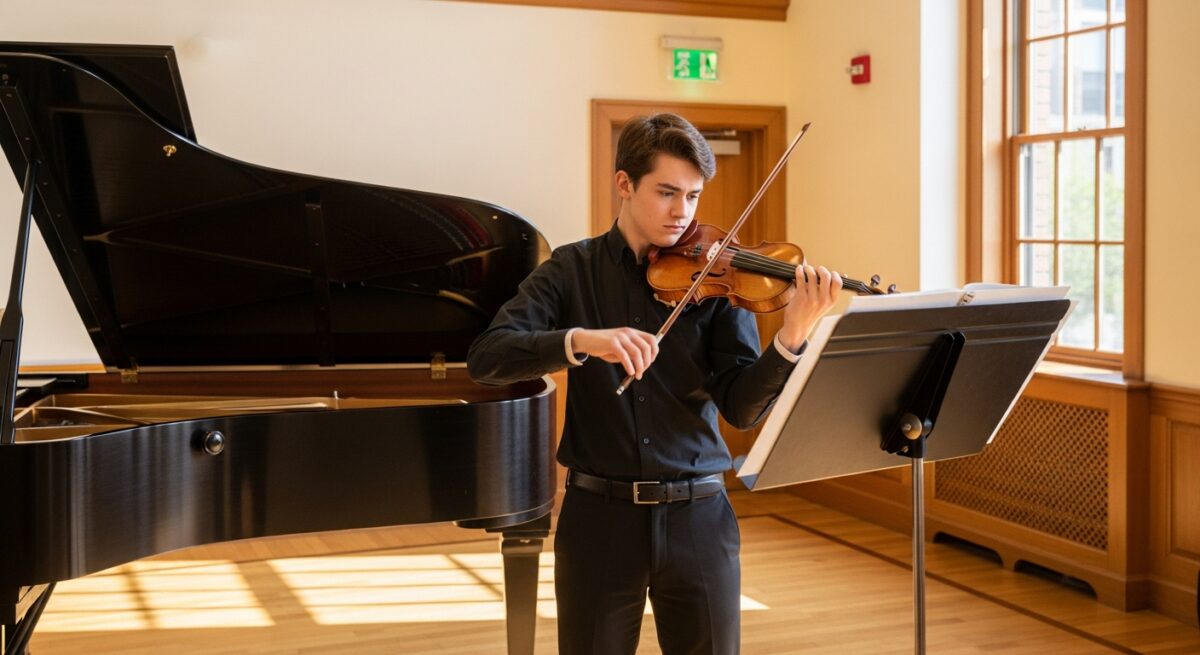
Choosing to pursue a Bachelor of Music degree is a significant commitment to a life shaped by sound, creativity, and discipline. It’s a decision that goes far beyond a simple college major, it’s an investment in a unique professional identity. This comprehensive guide is designed to illuminate the path for prospective students and current majors alike, offering a clear view of what a Bachelor of Music entails, the diverse career landscapes it opens, and the strategic steps to maximize your educational journey. Whether your passion lies in performance, education, technology, or business, understanding the full scope of this degree is the first step toward building a sustainable and fulfilling career in music.
Understanding the Bachelor of Music Degree
A Bachelor of Music (B.M.) is a specialized professional undergraduate degree, typically requiring four years of full-time study. It is distinct from a Bachelor of Arts (B.A.) in Music, as the B.M. places a heavier emphasis on practical, applied musical training alongside rigorous academic coursework. The core curriculum is designed to develop high-level proficiency and deep theoretical understanding. Students spend significant hours in practice rooms, ensemble rehearsals, and private lessons with faculty who are often active professionals. The intensity of this training prepares graduates for the demands of professional musical life, whether on stage, in the studio, or in the classroom. This focused approach makes the B.M. the preferred degree for those aiming for careers as performers, composers, or music teachers seeking state certification.
The structure of a B.M. program is built on several foundational pillars. Music theory and aural skills courses train students to understand the language of music, from harmonic analysis to sight-singing. Music history surveys provide cultural and historical context, tracing the evolution of musical styles. Applied lessons are the heart of the program, offering weekly one-on-one instruction on a primary instrument or voice. Large and chamber ensemble participation is mandatory, fostering collaboration and practical performance experience. Finally, general education requirements ensure a well-rounded liberal arts foundation. Many programs also require a senior recital or capstone project, a culminating demonstration of the student’s artistic and technical growth.
Primary Concentrations and Specializations
Most Bachelor of Music programs require students to choose a concentration, which dictates their specific course trajectory. This choice is critical, as it aligns your studies with your career aspirations. The three most common tracks are Performance, Music Education, and Composition. A Performance concentration is designed for the aspiring virtuoso, with an intense focus on solo and ensemble literature, advanced technique, and stage presence. The curriculum is geared toward preparing students for orchestral auditions, solo careers, or advanced graduate study at conservatories.
A Music Education concentration combines rigorous musical training with pedagogical coursework and student teaching. This track is structured to meet state certification requirements for teaching K-12 music. Students learn not only how to perform but how to teach band, orchestra, choir, and general music. It’s a demanding dual focus that produces educators who are both skilled musicians and effective teachers. Other valuable specializations are becoming increasingly prominent. Audio Engineering and Music Technology blends music with computer science and physics, preparing graduates for work in recording studios, live sound, and software development. Music Business or Arts Administration focuses on the commercial side of the industry, covering topics like artist management, marketing, copyright law, and venue operations. For those interested in the therapeutic applications of music, some schools offer pre-music therapy tracks, though a master’s degree is typically required for certification.
Career Pathways After Graduation
The career outcomes for a Bachelor of Music graduate are remarkably diverse, extending well beyond the concert stage. A successful career often involves a portfolio of activities, blending performance, teaching, and other musical services. For performers, paths include securing positions with professional orchestras, opera companies, or military bands, working as freelance session musicians for recording projects, touring with bands or as accompanists, or building a career in the thriving world of musical theater. The rise of digital platforms has also enabled performers to cultivate independent careers through streaming, content creation, and online patronage.
For those in Music Education, the primary path is teaching in public or private school systems. However, this skill set also opens doors to private studio teaching, community music school instruction, or developing educational content for arts organizations. Composers and arrangers find work scoring for film, television, and video games, writing for commercial advertising, creating library music, or composing for chamber ensembles and orchestras. The music technology field offers roles as audio engineers, producers, sound designers for media, and software or hardware developers for music tech companies. Furthermore, the business side of music needs savvy graduates for roles in artist management, booking, music publishing, licensing, marketing, and arts nonprofit management. It’s worth exploring how different degree formats can support these goals, for instance, by reviewing resources that compare the best online degrees for career growth in various fields, including the arts.
Building a Sustainable Music Career
Transitioning from student to professional requires proactive strategy. The key is to diversify your income streams. A cellist might teach private lessons, perform with a regional orchestra, freelance for wedding bands, and do session recording work. This model provides financial stability and creative variety. Networking is not a cliche, it’s essential. Attend conferences, join professional organizations like the National Association for Music Education (NAfME) or the Audio Engineering Society (AES), and maintain connections with faculty and peers. Your undergraduate colleagues will become your professional network. Furthermore, entrepreneurial skills are invaluable. Learn basic self-promotion, website management, contract negotiation, and financial literacy. The modern musician is often their own CEO, manager, and marketing department.
The Academic Journey: What to Expect and How to Succeed
The daily life of a Bachelor of Music student is immersive and demanding. Time management is the most critical skill to master. A typical day may involve a music theory class, an ensemble rehearsal, a piano proficiency session, a private lesson, and several hours of individual practice, all sandwiched around general education courses. Success hinges on a disciplined routine. Treat practice like a non-negotiable job, scheduling specific, focused blocks in your day. Quality of practice, focused on specific technical or musical goals, is more important than simply logging hours. Engage deeply in your academic courses, the history and theory knowledge will make you a more intelligent, informed performer or teacher.
Beyond the coursework, take full advantage of the resources your institution offers. Participate in masterclasses with visiting artists. Audition for every relevant ensemble. Seek out collaborative opportunities with dancers, theater students, or visual artists. Build relationships with your professors, they are your gateway to recommendations and professional opportunities. If your program requires a senior recital, start planning repertoire and logistics well in advance. This project is not just a graduation requirement, it’s your first major professional production and a powerful line on your resume. For students considering flexible learning options, it’s beneficial to research accredited online degree info to understand how digital platforms can support music studies, particularly for theory, history, or business-focused specializations.
Selecting the Right Program for You
Choosing where to pursue your Bachelor of Music is a highly personal decision with long-term implications. The first consideration is the faculty, particularly the professor who would be your primary applied teacher. Research their performance careers, teaching philosophy, and former students’ success. Schedule a trial lesson if possible. The quality of this mentor-student relationship is paramount. Next, evaluate the program’s facilities: practice room availability, quality of instruments, recording studios, and library resources. Consider the performance opportunities, does the school regularly produce operas, host guest artists, or provide chances to perform concertos with the orchestra?
Location is also a strategic career factor. Studying in or near a major cultural city like New York, Los Angeles, Nashville, or Chicago can provide easier access to internships, professional performances, and networking events. However, programs in smaller towns may offer more individual attention and performance opportunities for undergraduates. Finally, be realistic about finances. Investigate scholarship and financial aid offerings specific to the music school. Many programs offer talent-based awards that can significantly reduce tuition costs. Remember, the most prestigious name is not always the best fit, the right program is one that supports your individual growth and career goals.
Frequently Asked Questions
What is the difference between a Bachelor of Music (B.M.) and a Bachelor of Arts (B.A.) in Music?
The B.M. is a professional degree with a greater emphasis on applied performance, requiring more music credits and often a senior recital. The B.A. is a liberal arts degree with more flexibility for non-music electives and often requires less intensive performance study. The B.M. is typically for students pursuing music as a primary career.
Do I need a graduate degree to have a career in music?
It depends on the path. For performance at the highest orchestral levels or in academia, a Master of Music (M.M.) or Doctor of Musical Arts (D.M.A.) is often expected. For music education in public schools, a bachelor’s with certification is sufficient, though a master’s may be required for advancement. For many industry, technology, and freelance careers, a bachelor’s degree combined with a strong portfolio and network is the standard entry point.
What are the audition requirements for a Bachelor of Music program?
Requirements vary by school and instrument but generally include prepared pieces or etudes that demonstrate technical proficiency and musicality, scales and arpeggios, sight-reading, and sometimes an interview or music theory placement test. Always check the specific requirements on the school’s website well in advance.
Can I double major or have a minor with a B.M.?
It is challenging due to the credit-intensive nature of the B.M., but not impossible with careful planning. Many students successfully pair a B.M. with a minor in business, technology, psychology, or a foreign language to enhance their career prospects. A double major with another demanding field is rare and requires exceptional time management.
What if I want to change my concentration during the program?
It is possible, but it may extend your time to graduation, as you will need to fulfill the new concentration’s requirements. Early communication with your academic advisor is essential to map out a feasible plan.
A Bachelor of Music degree is a passport to a multifaceted and dynamic professional world. It demands passion, perseverance, and a proactive mindset. By thoroughly understanding the academic rigors, strategically selecting a program that aligns with your goals, and diligently building a diverse skill set and professional network during your studies, you can transform your dedication to music into a viable and rewarding career. The journey is demanding, but for those committed to a life in music, the Bachelor of Music provides the essential foundation, discipline, and credentials to begin.