
What the Future of Learning Holds at the Summit for Digital Education
Explore the key pillars and strategic shifts defining the future of learning, as envisioned for the pivotal summit on digital education. Prepare for AI personalization, immersive tech, and new credential models.

By Janet Wilson
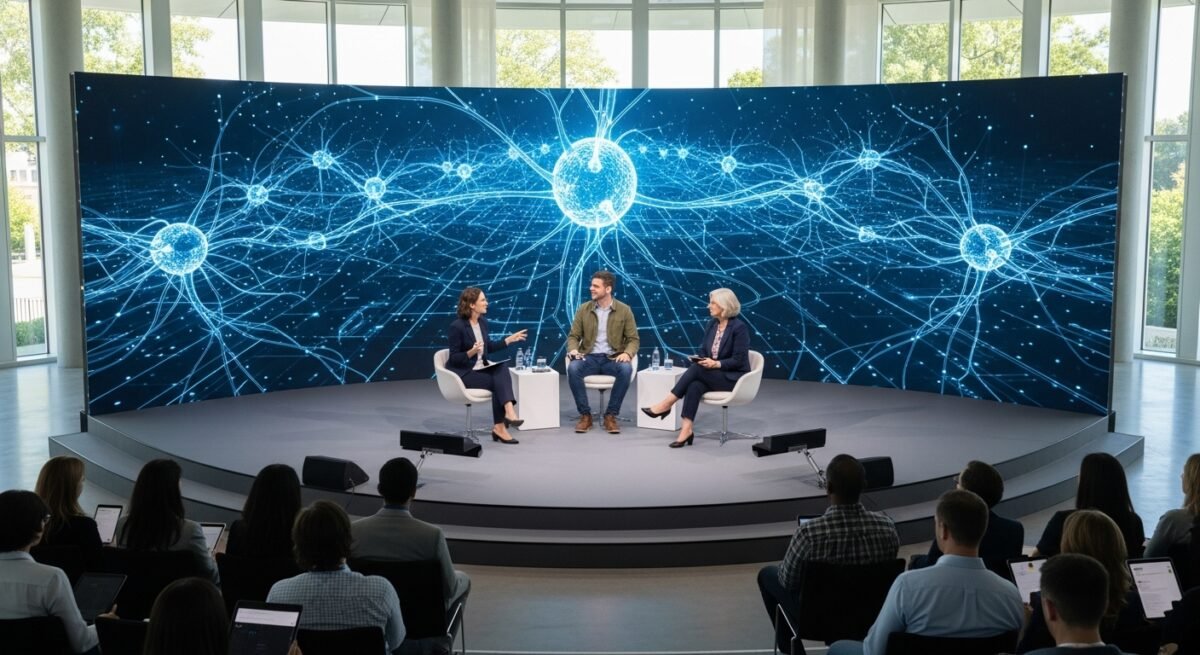
The landscape of education is undergoing a seismic transformation, driven by technology, shifting societal needs, and a deep reconsideration of how we define success in learning. As we look ahead, the focal point for these critical conversations is not a distant event on a calendar, but a clear vision for the future. The conversations and innovations being incubated today will fully converge in forums like the anticipated summit digital education 2026, where the blueprint for the next decade will be solidified. This gathering represents more than a conference; it is a critical inflection point for educators, technologists, and policymakers to align on a new educational paradigm.
The Core Pillars Shaping the Future of Digital Learning
The next generation of digital education will not simply digitize old methods. It will be built on foundational pillars that redefine accessibility, personalization, and outcomes. The summit for digital education in 2026 will undoubtedly focus on these interconnected themes, moving beyond theoretical discussions to practical implementation frameworks. These pillars represent a shift from content delivery to holistic experience creation, where the learner’s journey is continuously adapted and supported by intelligent systems and human expertise.
First, hyper-personalization via Artificial Intelligence will move from a novelty to a baseline expectation. AI will not replace instructors but augment their capabilities, providing real-time analytics on student engagement, predicting areas of struggle, and automatically curating supplemental resources. This allows educators to shift from broad lectures to targeted mentorship. Second, the validation of skills through blockchain-based credentialing will gain significant traction. Micro-credentials, digital badges, and comprehensive competency records stored on secure, portable ledgers will offer a more nuanced and verifiable picture of a learner’s capabilities than traditional degrees alone.
Third, immersive learning environments powered by Virtual Reality and the Internet of Things will create experiential labs for fields from history to healthcare. Imagine a medical student practicing a complex procedure in a photorealistic simulation or an engineering student interacting with a full-scale, virtual model of a smart city. These technologies bridge the gap between theory and practice, making abstract concepts tangible. Finally, the principle of equity and global access will be central. Future summits will prioritize strategies for closing the digital divide, ensuring that high-quality, accredited online college degree programs and professional certifications are accessible across socio-economic and geographical boundaries.
Strategic Implementation for Institutions and Learners
Understanding the trends is one thing; implementing them effectively is another. For higher education institutions and corporate learning departments, the path forward requires strategic investment and cultural change. The discourse at a leading summit on digital education will focus on actionable steps for this transition, moving from pilot projects to scalable, integrated systems.
A critical step is the redesign of curriculum and assessment. Learning pathways must become more modular and stackable, allowing learners to build qualifications aligned with specific career trajectories, such as a healthcare administration degree online that integrates data analytics and leadership modules. Assessment will evolve from high-stakes exams to continuous, competency-based evaluation, often through project work and digital portfolios that showcase applied skills. This shift requires faculty development and support, empowering educators to become facilitators and coaches within this new digital ecosystem.
For learners navigating this new terrain, the strategy involves proactive curation of their educational journey. The future favors those who can blend formal education with targeted upskilling.
- Seek Accredited and Stackable Programs: Prioritize credentials from regionally accredited institutions that offer clear pathways to further education. Value programs that offer micro-credentials you can bank toward a full degree.
- Develop Digital and Data Fluency: Regardless of your field, foundational knowledge in data interpretation, digital collaboration tools, and basic computational thinking will be essential.
- Cultivate a Hybrid Learning Mindset: Become adept at learning independently through high-quality online learning courses while also seeking out communities of practice and mentorship for collaborative growth.
- Focus on Enduring Human Skills: While technology changes rapidly, skills like critical thinking, creativity, ethical reasoning, and complex communication will remain irreplaceable assets.
The successful institution of the future will function as a connected hub, partnering with industry to ensure curriculum relevance and leveraging platforms that provide seamless, personalized learner experiences from recruitment through alumni engagement.
Preparing for the Convergence of Technology and Pedagogy
The most significant challenge and opportunity lie in the ethical and effective integration of emerging technologies into proven pedagogical frameworks. The summit digital education 2026 will serve as a crucial forum for establishing guidelines and best practices in this arena. The goal is not to chase every new tech trend, but to thoughtfully apply tools that genuinely enhance learning outcomes and human connection.
Artificial Intelligence’s role in formative assessment and adaptive learning paths will be a major focus. However, this must be balanced with urgent discussions on algorithmic bias, data privacy, and the preservation of academic integrity. Similarly, while VR creates powerful simulations, its development must be guided by learning science to avoid cognitive overload and ensure accessibility. Furthermore, the proliferation of online degree programs and digital credentials necessitates robust quality assurance mechanisms to maintain trust and value in the marketplace. This is where understanding the value of regionally distinguished online education becomes paramount for both providers and consumers.
The future of digital education is a collaborative construction. It requires technologists who understand pedagogy, educators who are fluent in digital possibilities, and administrators who can build sustainable, equitable models. The conversations that will peak at the 2026 summit are already happening in pioneering classrooms, corporate training centers, and policy roundtables today. By engaging with these ideas now, stakeholders can not only prepare for the future but actively shape it, ensuring that the digital transformation of education empowers every learner to reach their full potential in an increasingly complex world.