
Imagine designing the next generation of electric vehicles, improving fuel efficiency in hybrid engines, or developing autonomous driving systems that reshape how people travel. For students who love math, physics, and problem solving, an automotive engineering degree offers a direct path into one of the most dynamic and rapidly evolving industries in the world. Automotive engineering is the branch of mechanical engineering that focuses on the design, development, production, and testing of vehicles, from cars and trucks to motorcycles and buses. But what does this degree actually involve, and is it the right choice for your future? This article breaks down the curriculum, career paths, accreditation, and financial considerations so you can make an informed decision.
Understanding the Automotive Engineering Degree
An automotive engineering degree is a specialized undergraduate or graduate program that combines core mechanical engineering principles with focused study on vehicle systems. Most programs are offered as a Bachelor of Science in Mechanical Engineering with a concentration or minor in automotive engineering. Some universities offer a dedicated Bachelor of Science in Automotive Engineering. The curriculum typically covers vehicle dynamics, engine design, thermodynamics, materials science, electronics, and computer-aided design (CAD). Students learn how to analyze and improve vehicle performance, safety, and sustainability.
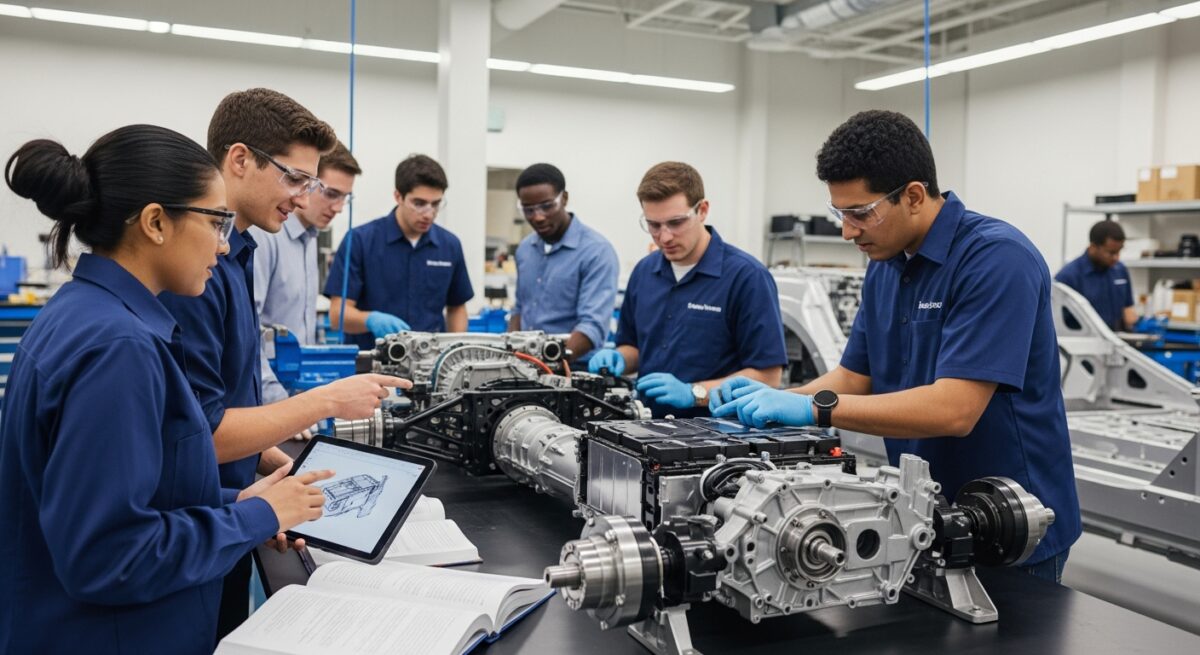
Unlike a general mechanical engineering degree, an automotive engineering degree dives deeper into topics such as chassis design, powertrain systems, and vehicle aerodynamics. Many programs include hands-on labs where students work with actual engines, suspension systems, and diagnostic equipment. For example, students might build a go-kart or compete in Formula SAE, a global competition where teams design and race small formula-style cars. These practical experiences are invaluable when applying for jobs after graduation.
Core Curriculum and Specializations
While every university structures its program differently, most automotive engineering degrees share a common foundation. The first two years typically include calculus, physics, chemistry, and introductory engineering courses. The later years focus on specialized automotive topics. Below are some of the key areas you will study:
- Vehicle Dynamics and Control: Understanding how a vehicle moves, brakes, and handles under different conditions. This includes suspension design, steering systems, and stability control.
- Powertrain Engineering: The study of engines, transmissions, drivelines, and hybrid/electric propulsion systems. You will learn about internal combustion engines, electric motors, and battery technology.
- Materials and Manufacturing: Selecting the right materials for strength, weight, and cost. This covers metals, composites, and polymers used in vehicle construction.
- Automotive Electronics and Software: Modern vehicles rely heavily on embedded systems, sensors, and software. This area covers engine control units (ECUs), infotainment systems, and autonomous driving algorithms.
- Safety and Crashworthiness: Designing vehicles to protect occupants in collisions. This includes crumple zones, airbags, and safety testing standards.
Many programs also offer elective courses in emerging fields like electric vehicle (EV) technology, connected vehicles, and sustainable mobility. If you are interested in alternative fuels or autonomous driving, look for programs that offer these specializations. The automotive industry is shifting rapidly toward electrification and automation, and graduates with expertise in these areas are in high demand.
Hands-On Learning and Capstone Projects
Most accredited programs require a capstone design project in the final year. Students work in teams to solve a real-world engineering problem, often sponsored by automotive companies. For instance, a team might design a lightweight chassis for an electric race car or develop a cooling system for a high-performance battery pack. These projects teach project management, teamwork, and communication skills. They also provide a portfolio piece that can impress employers during interviews.
Internships are another critical component. Many universities have partnerships with automakers, suppliers, and research labs. An internship gives you hands-on experience with professional tools and processes. It also helps you build a network of industry contacts. According to the National Association of Colleges and Employers, students who complete internships receive higher starting salaries and more job offers than those without internship experience.
Accreditation and Choosing the Right Program
When researching an automotive engineering degree, accreditation is essential. In the United States, the Accreditation Board for Engineering and Technology (ABET) accredits engineering programs. ABET accreditation ensures that the program meets rigorous academic standards and prepares students for professional practice. Graduating from an ABET-accredited program is often required to become a licensed Professional Engineer (PE), which can open doors to higher-level positions and consulting roles.
Beyond ABET, consider the program’s industry connections. Does the university have a strong relationship with major automakers like Ford, General Motors, Toyota, or Tesla? Are there research centers focused on automotive technology? For example, the University of Michigan, Clemson University, and Ohio State University are known for their automotive engineering programs. However, many excellent programs exist at regional universities and online institutions. If you are a working adult or need flexibility, an online automotive engineering degree may be a good fit. These programs offer the same curriculum but allow you to study at your own pace.
For those exploring broader engineering education options, a resource like CollegeDegree.Education can help you compare accredited programs, understand financial aid options, and find the right match for your goals. They provide tools to search for both on-campus and online degrees in engineering and related fields.
Career Paths and Salary Expectations
An automotive engineering degree opens doors to a wide range of careers, not just in traditional automotive manufacturing but also in motorsports, aerospace, defense, and transportation. Here are some common job titles and what they involve:
- Design Engineer: Uses CAD software to create 3D models of vehicle components and assemblies. Works closely with manufacturing teams to ensure designs can be produced efficiently.
- Powertrain Engineer: Specializes in engines, transmissions, and drivelines. With the rise of electric vehicles, many powertrain engineers now focus on electric motors and battery systems.
- Vehicle Dynamics Engineer: Tests and tunes vehicle handling, ride comfort, and stability. Uses simulation tools and track testing to optimize performance.
- Safety Engineer: Designs crash structures and restraint systems. Conducts crash tests and analyzes data to improve occupant protection.
- Manufacturing Engineer: Develops and optimizes production processes. Works on assembly lines, robotics, and quality control systems.
According to the U.S. Bureau of Labor Statistics, mechanical engineers (including automotive engineers) earned a median annual wage of $96,310 in 2023. The top 10% earned more than $151,000. Salaries vary by location, experience, and industry. Automotive engineers working in research and development or for major automakers tend to earn higher salaries. Entry-level positions typically start around $65,000 to $75,000 per year.
The job outlook for mechanical engineers is projected to grow 10% from 2022 to 2032, faster than the average for all occupations. This growth is driven by the need for more efficient vehicles, electric powertrains, and autonomous systems. However, competition for jobs at top companies can be strong. A strong academic record, relevant internships, and participation in engineering clubs or competitions can give you an edge.
Online and Accelerated Options
Not everyone can attend a traditional four-year university full time. Fortunately, many accredited institutions now offer online automotive engineering degrees or hybrid programs that combine online coursework with on-campus labs. These programs are ideal for working adults, military veterans, or parents who need flexibility. An online automotive technology degree may focus more on the practical aspects of vehicle repair and diagnostics, while an automotive engineering degree emphasizes design and analysis.
Accelerated programs allow you to complete a bachelor’s degree in as little as three years by taking courses year-round. Some universities also offer combined bachelor’s and master’s programs that can be completed in five years. If you are considering an advanced degree, a master’s in automotive engineering can lead to leadership roles in research, management, or academia. Master’s programs often require a thesis or project and may offer specializations in areas like electric vehicles or autonomous systems.
When evaluating online programs, check for ABET accreditation and ask about lab requirements. Some programs send you a kit of components so you can perform experiments at home. Others require you to attend a short on-campus residency for hands-on work. Always verify that the program’s delivery method fits your learning style and schedule.
Financial Aid and Return on Investment
Pursuing an automotive engineering degree is a significant financial investment. Tuition for a four-year program can range from $20,000 at a public university to over $60,000 at a private institution. However, the long-term earning potential typically justifies the cost. According to PayScale, the average early-career pay for automotive engineers is around $68,000, while mid-career pay exceeds $110,000.
To reduce costs, explore financial aid options such as federal grants, scholarships, and work-study programs. Many universities offer merit-based scholarships for students with strong math and science backgrounds. Additionally, some automakers and suppliers sponsor scholarships for engineering students. For example, the Society of Automotive Engineers (SAE) offers multiple scholarships each year. Veterans should check their GI Bill benefits, which can cover tuition at many institutions. The FAFSA (Free Application for Federal Student Aid) is the first step for any student seeking financial assistance.
If you are comparing programs, consider the total cost of attendance, including tuition, fees, books, and living expenses. Online programs often have lower tuition and eliminate relocation costs. Use a net price calculator on each university’s website to estimate your actual cost after aid. Remember that a more expensive program is not always better. The quality of instruction, industry connections, and career services matter more than the sticker price.
Frequently Asked Questions
What is the difference between an automotive engineering degree and an automotive technology degree?
An automotive engineering degree focuses on the design, analysis, and development of vehicles. It is a four-year engineering program with a strong math and science foundation. An automotive technology degree, often a two-year associate degree, focuses on the diagnosis, repair, and maintenance of vehicles. Technicians work with their hands, while engineers work with computers and design tools.
Can I get an automotive engineering degree online?
Yes, many accredited universities offer online bachelor’s and master’s degrees in automotive engineering. These programs cover the same material as on-campus programs but offer more flexibility. Some require occasional on-campus labs. Always check for ABET accreditation before enrolling.
What skills do I need to succeed in automotive engineering?
Strong math and physics skills are essential. You should also be comfortable with computer-aided design (CAD) software, programming (C++, Python, or MATLAB), and problem solving. Communication and teamwork are important because engineers often work in multidisciplinary teams. Creativity and attention to detail also help.
Is automotive engineering a good career for the future?
Yes. The automotive industry is undergoing massive changes with electrification, connectivity, and automation. Engineers who understand electric powertrains, battery technology, and software will be in high demand. The Bureau of Labor Statistics projects steady growth for mechanical engineers over the next decade.
Do I need a master’s degree to work in automotive engineering?
No, a bachelor’s degree is sufficient for most entry-level positions. However, a master’s degree can help you specialize in a niche area like electric vehicles or autonomous systems. It may also lead to higher salaries and faster promotions. Some employers offer tuition reimbursement for advanced degrees.
Final Thoughts
An automotive engineering degree is a challenging yet rewarding path for anyone passionate about vehicles, technology, and innovation. Whether you dream of designing the next electric sports car, improving fuel economy for commercial trucks, or developing self-driving systems, this degree provides the technical foundation and practical skills to turn those dreams into reality. The industry is evolving rapidly, and skilled engineers are needed to solve complex problems related to sustainability, safety, and performance. By choosing an accredited program, gaining hands-on experience through internships and projects, and leveraging resources like CollegeDegree.Education to find the right school, you can launch a successful and fulfilling career in automotive engineering. Start exploring your options today and take the first step toward shaping the future of transportation. Learn more