

What Is a Clinical Psychology Degree? Career Paths
A clinical psychology degree opens doors to rewarding careers in mental health, from therapy to research, but requires careful planning and the right program.

By Noah Collins
Clinical psychology is one of the most sought-after fields in behavioral health, yet many prospective students are unsure what the degree actually involves. A clinical psychology degree is a specialized academic credential that prepares graduates to assess, diagnose, and treat mental, emotional, and behavioral disorders. Unlike general psychology programs that focus on research or theory, clinical psychology training emphasizes direct patient care, evidence-based interventions, and supervised clinical practice. If you are considering this path, understanding the structure, levels, and career outcomes is essential before you commit to years of study.
This guide breaks down the meaning of a clinical psychology degree, the differences between master's and doctoral options, typical coursework, licensure requirements, and the career opportunities that await. Whether you are a high school graduate exploring options or a working adult considering a career change, this overview will help you decide if clinical psychology is the right fit for your goals.
Defining Clinical Psychology: More Than Just Therapy
Clinical psychology is a branch of psychology that focuses on the assessment, diagnosis, and treatment of mental health conditions. Practitioners in this field work with individuals across the lifespan, addressing issues such as anxiety, depression, trauma, personality disorders, and severe mental illness. The clinical psychology degree is designed to build competencies in psychological testing, psychotherapy, research methodology, and ethical practice.
What sets clinical psychology apart from counseling or school psychology is its emphasis on severe psychopathology and its integration of scientific research into clinical practice. Graduates often work in hospitals, private practices, community mental health centers, and academic settings. The degree also serves as a foundation for those who wish to pursue research or teaching at the university level.
Levels of Clinical Psychology Degrees
Clinical psychology is offered at several academic levels, each with distinct training goals and career implications. The most common pathways include the master's degree and the doctoral degree, but some students also begin with a bachelor's degree in psychology before specializing.
Bachelor's Degree in Psychology
An undergraduate degree in psychology provides a broad introduction to human behavior, research methods, and statistical analysis. While a bachelor's degree alone does not qualify you to practice as a clinical psychologist, it is a common prerequisite for graduate study. Many students major in psychology or a related field like sociology or neuroscience, then apply to master's or doctoral programs.
Master's Degree in Clinical Psychology
A master's degree in clinical psychology typically takes two to three years to complete. It includes advanced coursework in psychopathology, cognitive-behavioral therapy, psychological assessment, and ethics. Some master's programs offer a thesis option for students interested in research, while others focus on applied clinical training.
Graduates with a master's degree often work as licensed professional counselors (LPC), licensed marriage and family therapists (LMFT), or psychological associates under the supervision of a doctoral-level psychologist. They may also find roles in case management, crisis intervention, or program evaluation. The master's level is a good option for those who want to enter the workforce sooner and are not interested in the extensive research demands of a doctorate.
Doctoral Degrees: PhD and PsyD
The doctoral level is the highest degree in clinical psychology and is required for independent practice as a licensed psychologist. There are two main types of doctoral degrees: the Doctor of Philosophy (PhD) and the Doctor of Psychology (PsyD). Both are considered clinical psychology doctoral programs, but they differ in emphasis.
A PhD in clinical psychology is research-oriented, with a strong focus on producing new scientific knowledge. Students conduct original research, complete a dissertation, and often receive rigorous training in statistics and experimental design. This path is ideal for those who want to pursue academic careers, research positions, or clinical roles that involve program evaluation.
A PsyD, on the other hand, is practice-oriented, prioritizing clinical skills and applied training over research. PsyD programs typically require less research and more supervised clinical hours, making them attractive for students who are primarily interested in direct patient care. Both degrees lead to licensure, but the choice depends on your career aspirations and whether you enjoy research.
What to Expect in Clinical Psychology Doctoral Programs
Clinical psychology doctoral programs are rigorous and competitive, often admitting fewer than 10% of applicants. These programs generally take five to seven years to complete, including a one-year predoctoral internship. The curriculum covers a wide range of topics, including:
- Psychopathology and diagnostic classification
- Cognitive, emotional, and social development
- Psychological assessment and testing
- Evidence-based therapeutic interventions
- Ethics and professional standards
- Cultural diversity and multicultural competence
- Research design and statistical analysis
In addition to coursework, doctoral students complete practicum placements in clinics or hospitals, where they apply their skills under supervision. The predoctoral internship is a full-time, year-long experience that is often required for licensure. Many programs also require a dissertation, which is an original research project that demonstrates your ability to contribute to the field.
Admission to clinical psychology phd programs is highly selective, and applicants are evaluated on their GPA, GRE scores, research experience, letters of recommendation, and personal statements. Some programs also require an interview. It is important to research each program's specific requirements and match your interests with faculty expertise.
Licensure and Certification After Graduation
After completing a clinical psychology degree, you must obtain a license to practice independently. Licensure requirements vary by state but generally include:
- Completion of an accredited doctoral program
- Accumulation of a specified number of supervised clinical hours
- Passing a national examination (e.g., the Examination for Professional Practice in Psychology, or EPPP)
- Passing a state-specific jurisprudence exam
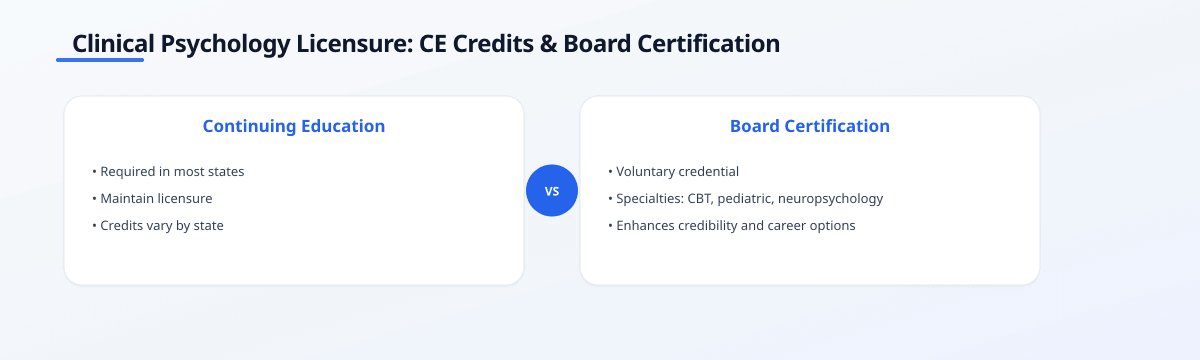
Most states also require continuing education credits to maintain licensure. Some psychologists choose to pursue board certification in specialties like cognitive-behavioral therapy, pediatric psychology, or neuropsychology. Certification, while voluntary, can enhance your credibility and expand your career opportunities.
It is worth noting that master's-level clinicians have their own licensure pathways, such as LPC or LMFT, which require fewer supervised hours and a different exam. If you are unsure which path aligns with your goals, consult with academic advisors or state licensing boards early in your education.
Career Paths and Salary Expectations
A clinical psychology degree opens doors to a variety of rewarding careers. The most obvious is clinical practice, where you might work as a licensed psychologist in private practice, hospitals, or community health centers. Other roles include:
- University professor or researcher
- Consultant for government agencies or nonprofits
- Program director for mental health services
- Forensic psychologist in legal settings
- Neuropsychologist specializing in brain-behavior relationships
According to the U.S. Bureau of Labor Statistics, psychologists earn a median annual wage of over $85,000, with clinical and counseling psychologists in the top tier. Income can vary based on setting, geographic location, and years of experience. For example, psychologists in private practice may earn more than those in public health settings. The demand for mental health services is projected to grow, driven by increased awareness and reduced stigma around seeking help.
Online and Flexible Clinical Psychology Degree Options
Many working adults and career changers wonder if they can pursue a clinical psychology degree online. The answer is yes, but with caveats. Fully online doctoral programs exist, but they may not provide the same level of in-person clinical training as traditional programs. Most online programs require intensive residencies or local practicum placements to meet accreditation standards.
Accreditation is crucial. The American Psychological Association (APA) accredits doctoral programs in clinical psychology, and many states require graduation from an APA-accredited program for licensure. When evaluating online options, verify that the program holds APA accreditation or meets the criteria set by your state's licensing board. Some programs are also accredited by the Psychological Clinical Science Accreditation System (PCSAS), which is recognized by some states.
Online master's programs in clinical psychology are more common and can be a flexible way to earn a degree while working. However, you still need to complete supervised clinical hours, which may be arranged locally. If flexibility is your priority, consider hybrid programs that combine online coursework with in-person clinical experiences.
For those who are still exploring their options, it can be helpful to compare different degree paths. Our guide on a master's degree in counseling explained offers insight into a related but distinct field that may suit your goals.
Choosing the Right Program for Your Goals
Selecting a clinical psychology program involves more than just reputation. Consider the following factors:
- Accreditation status (APA, PCSAS, or regional)
- Specialization areas (e.g., child, adult, neuropsychology)
- Research opportunities and faculty mentorship
- Clinical training facilities and practicum sites
- Cost and financial aid availability
- Program philosophy (scientist-practitioner vs. practitioner-scholar)
You should also assess the program's graduation and licensure rates. High-quality programs will be transparent about these outcomes. Reach out to current students or alumni to gain a realistic perspective on workload and support.
The financial investment is significant, especially for doctoral programs that can take several years. Tuition at public universities may be lower for in-state students, while private programs can be costly. Explore scholarships, assistantships, and employer tuition benefits to offset expenses. Many doctoral students receive stipends for teaching or research assistantships, which can make the program more affordable.
Conclusion: Is a Clinical Psychology Degree Right for You?
A clinical psychology degree is a demanding but fulfilling path for those passionate about mental health. It requires a strong commitment to academics, clinical training, and personal growth. Whether you choose a master's or doctoral level, the degree prepares you to make a meaningful difference in people's lives.
Before you apply, reflect on your career goals. If you want to conduct research or teach at a university, a PhD is likely the best fit. If you prefer hands-on therapy and want to enter practice sooner, a PsyD or a master's degree might be more appropriate. Take time to research programs, visit campuses (or attend virtual open houses), and talk to professionals in the field.
Ultimately, a clinical psychology degree is an investment in your future and the well-being of others. With careful planning and a clear sense of purpose, you can navigate the educational requirements and build a satisfying career. For more guidance on finding accredited programs and comparing options, visit collegeandtuition.com to explore resources that can help you make an informed decision.
Start your journey today by exploring programs that align with your interests and goals. The field of clinical psychology needs dedicated, compassionate professionals, and your education is the first step toward answering that call.