
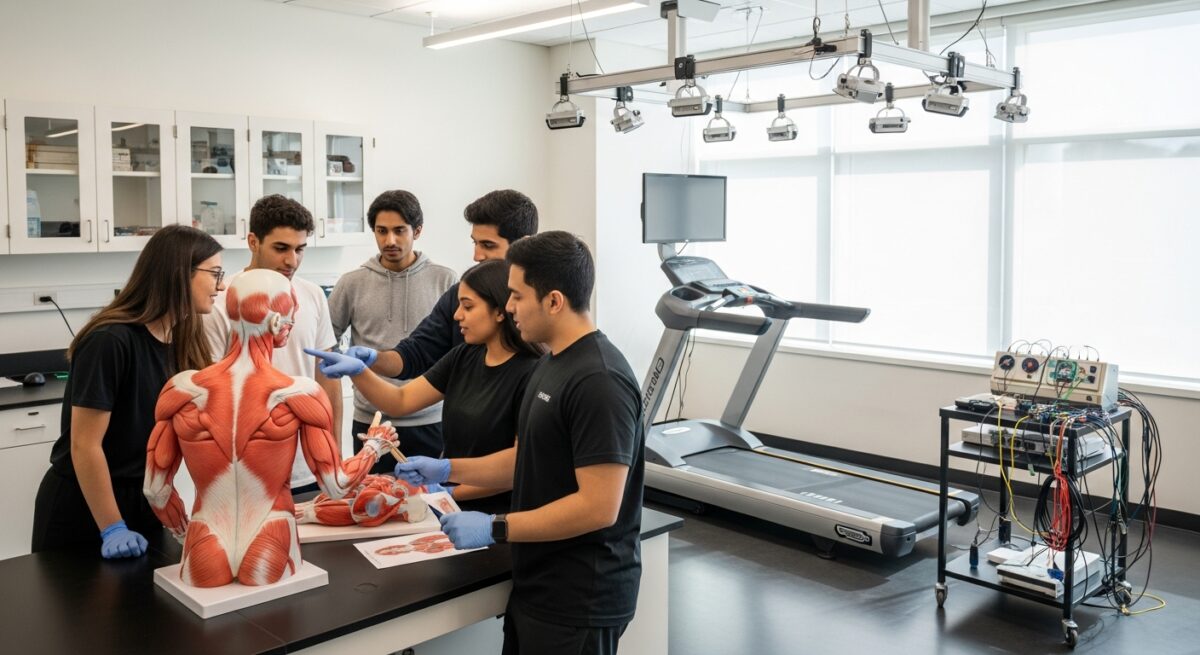
A Bachelor of Exercise Science degree is far more than a pathway to personal training. It is a rigorous, science-based undergraduate program that opens doors to a diverse and growing field dedicated to human movement, health, and performance. This degree equips graduates with a deep understanding of anatomy, physiology, biomechanics, nutrition, and exercise prescription, providing a versatile foundation for numerous careers in healthcare, fitness, sports, and corporate wellness. This comprehensive career guide explores the multifaceted opportunities available to exercise science graduates, detailing potential job roles, essential skills, and strategic steps for career advancement. Whether your passion lies in clinical rehabilitation, athletic performance, public health, or research, a bachelor’s in exercise science is your first step toward a meaningful profession that impacts lives.
Core Curriculum and Foundational Knowledge
The value of a Bachelor of Exercise Science degree stems from its robust and interdisciplinary curriculum. Unlike a general fitness certification, this degree provides a deep dive into the scientific principles governing human performance. Students typically engage with courses in human anatomy and physiology, where they study the musculoskeletal, cardiovascular, and respiratory systems in detail. Kinesiology and biomechanics courses teach how forces affect movement, while exercise physiology explores the body’s acute and chronic adaptations to physical activity. Nutrition, psychology of sport and exercise, motor learning, and fitness assessment are also standard components.
This scientific grounding is critical. It enables graduates to move beyond generic advice and create evidence-based interventions tailored to individual needs. For instance, understanding the pathophysiology of heart disease allows a graduate working in cardiac rehab to design safe and effective exercise programs. Similarly, knowledge of biomechanics helps a strength coach correct an athlete’s movement pattern to prevent injury. This academic rigor prepares students for advanced certifications and graduate studies, setting them apart in a competitive job market. The degree’s focus on applied science makes it an excellent preparatory path for further education in physical therapy, occupational therapy, medicine, or physician assistant studies.
Primary Career Paths and Job Roles
With a bachelor of exercise science in hand, graduates can pursue careers across several key sectors. The most direct path is often in fitness and strength conditioning. Roles here include personal trainer, group fitness instructor, and strength and conditioning coach for athletic teams. These professionals assess clients’ fitness levels, design and implement exercise programs, and motivate individuals to achieve their health and performance goals. Working in corporate wellness is another prominent avenue, where exercise scientists develop and manage workplace health initiatives aimed at improving employee well-being and reducing healthcare costs for companies.
The clinical and rehabilitative sector offers deeply rewarding opportunities. Graduates often work as exercise physiologists, cardiac rehab specialists, or diabetes educators, typically in hospital, clinic, or outpatient settings. Under the direction of physicians, they conduct stress tests, develop therapeutic exercise plans for patients with chronic diseases, and help individuals recover from injuries or surgical procedures. This area highlights the healthcare dimension of the sports science degree, bridging the gap between medical treatment and lifestyle modification.
For those interested in the business and operational side, roles in fitness management, sales for medical or fitness equipment companies, and wellness consulting are common. Furthermore, a fitness degree provides a strong foundation for roles in public health, community programming, and research assistance. Each path utilizes the core knowledge differently, but all center on applying scientific principles to improve human health and performance.
Essential Skills for Success in Exercise Science
Technical knowledge from your coursework is essential, but soft skills often determine career trajectory. Exceptional communication is paramount. You must explain complex physiological concepts in simple, motivating terms to clients, patients, or corporate employees. Interpersonal skills allow you to build rapport, foster trust, and encourage adherence to programs. Critical thinking and problem-solving are used daily to analyze assessment data, adjust programs for unique individual challenges, and navigate unexpected situations during training or rehabilitation sessions.
Analytical skills are crucial for interpreting data from fitness assessments, blood work, or wearable technology. A successful professional also needs business acumen, whether for managing a fitness center’s budget, marketing independent training services, or understanding the healthcare reimbursement system. Developing these skills alongside your academic studies, through internships and volunteer work, will make you a highly competitive candidate. For a broader perspective on structuring your academic journey, our guide on Bachelor of Science degree pathways offers valuable insights into STEM career planning.
Certifications and Specializations to Enhance Your Degree
While the bachelor’s degree provides the foundational knowledge, professional certifications are frequently required or highly preferred by employers. They validate your expertise in a specific area and demonstrate a commitment to the profession. Key certifications include the Certified Strength and Conditioning Specialist (CSCS) from the National Strength and Conditioning Association (NSCA), which is the gold standard for working with athletes. The American College of Sports Medicine (ACSM) offers several credentials, such as the Certified Exercise Physiologist (EP-C), ideal for clinical and health-focused roles.
Other notable certifications include those from the National Academy of Sports Medicine (NASM), particularly for corrective exercise and performance enhancement, and from the American Council on Exercise (ACE) for general personal training and health coaching. The choice of certification should align with your career goals. Specializing further can involve obtaining credentials in areas like:
- Clinical Exercise Physiology for working with chronic disease populations.
- Sports Nutrition to provide detailed dietary guidance alongside training.
- Corrective Exercise to address musculoskeletal imbalances and pain.
- Behavioral Change Coaching to better support clients in adopting healthy habits.
Pursuing these specializations not only increases your marketability but also allows you to command higher salaries and access more specialized job markets. It is a strategic step in any exercise science degree career guide.
Navigating the Job Market and Career Advancement
Launching a career begins long before graduation. Securing relevant internships is perhaps the most critical step. An internship in a cardiac rehab clinic, with a collegiate sports team, or at a corporate wellness firm provides hands-on experience, helps you build a professional network, and often leads directly to job offers. Networking through professional organizations like ACSM or NSCA at local and national conferences can open doors to opportunities that are not publicly advertised.
When entering the job market, tailor your resume to highlight both your academic projects (like designing a semester-long training program) and practical internship experiences. Emphasize quantifiable achievements, such as improving a client’s metabolic markers or increasing a team’s performance metrics. Early career roles may involve direct client training, assisting a lead exercise physiologist, or managing a small segment of a wellness program. To advance, professionals often seek managerial positions (e.g., Fitness Director, Wellness Program Manager), move into higher education or research, or start their own consulting business or fitness facility. Continuous education, whether through additional certifications or a graduate degree, is typically the catalyst for this advancement. For those considering their next educational step, you can explore college degree programs that align with these advanced career goals.
Frequently Asked Questions
Is a Bachelor of Exercise Science a good degree for pre-physical therapy?
Yes, it is an excellent choice. The curriculum closely aligns with the prerequisites for most Doctor of Physical Therapy (DPT) programs, covering anatomy, physiology, biomechanics, and exercise physiology. It also provides a strong foundational understanding that will benefit you in graduate school and clinical practice.
What is the typical salary range for exercise science graduates?
Salaries vary widely based on role, location, experience, and certifications. Entry-level positions like personal trainers may start in the $35,000 to $45,000 range. Certified Exercise Physiologists in clinical settings can earn $50,000 to $65,000. Strength and conditioning coaches at the collegiate or professional level, and those in managerial or corporate wellness director roles, can earn $60,000 to $90,000 or more.
Can I work in a hospital with just a bachelor’s in exercise science?
Yes, many hospitals hire exercise physiologists or similar roles with a bachelor’s degree to work in cardiac and pulmonary rehabilitation, diabetes education, or cancer wellness programs. These roles usually require relevant certifications (like ACSM’s EP-C) and are conducted under medical supervision.
What’s the difference between an exercise science degree and a kinesiology degree?
The terms are often used interchangeably, and programs can be very similar. Generally, exercise science tends to have a more focused curriculum on the physiological and functional responses to exercise, while kinesiology is the broader study of human movement, which may include more psychology, sociology, and motor control. It’s essential to review specific program curricula.
How important is accreditation for an exercise science program?
Very important. Seeking a program accredited by the Commission on Accreditation of Allied Health Education Programs (CAAHEP) or a similar body ensures the curriculum meets rigorous national standards. This accreditation can be a prerequisite for certain certifications and makes your degree more respected by employers and graduate schools.
The journey with a Bachelor of Exercise Science degree is one of continuous learning and application. This career guide underscores that the degree is not a terminus but a launchpad. From clinical settings to athletic fields, from research labs to corporate offices, the skills you acquire are in high demand. By strategically combining your academic knowledge with hands-on experience, relevant certifications, and professional networking, you can build a dynamic and fulfilling career dedicated to enhancing human health, performance, and quality of life. The field is evolving, embracing technology and new research, offering endless opportunities for those prepared to engage with it.