
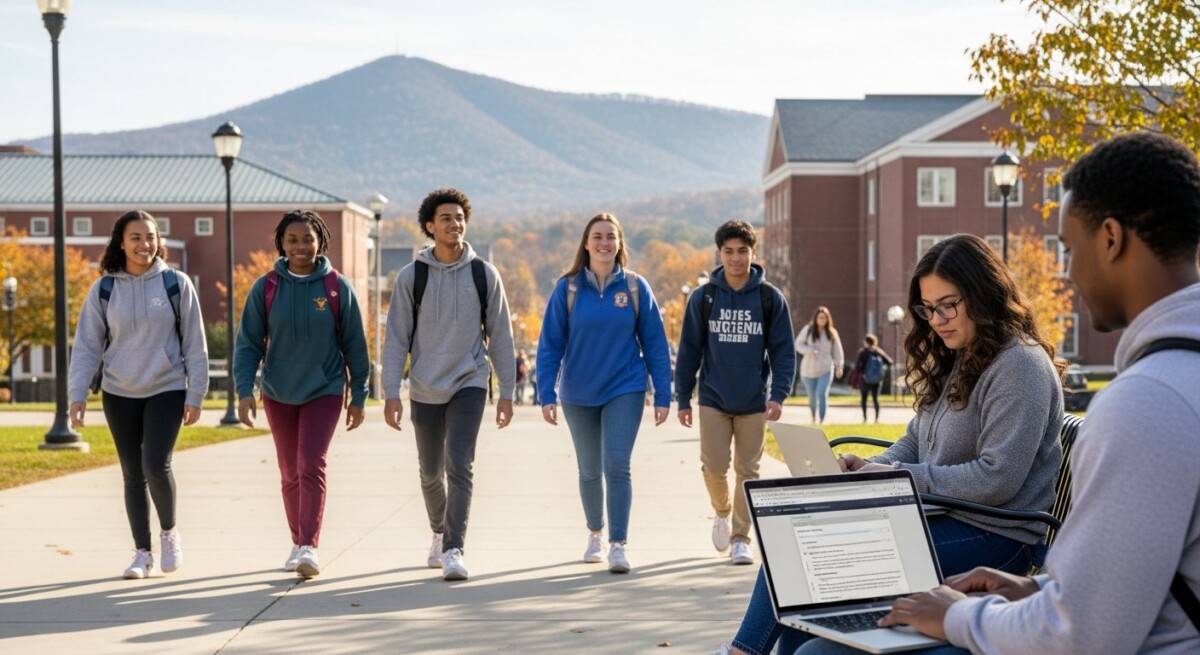
West Virginia offers a rich landscape of undergraduate degree opportunities that combine academic rigor with affordability. From flagship research universities to community colleges and specialized institutions, the Mountain State provides pathways for students seeking careers in healthcare, engineering, education, business, and the trades. For prospective students evaluating their options, understanding the full scope of what West Virginia offers can transform an overwhelming decision into a clear, actionable plan. This guide explores the programs, institutions, financial considerations, and career outcomes that define undergraduate education in West Virginia today.
Why West Virginia Stands Out for Undergraduate Education
West Virginia undergraduate degree opportunities are shaped by the state’s commitment to making higher education accessible. Tuition rates at public institutions remain among the most competitive in the nation, and several programs offer guaranteed tuition locks for four years. This predictability helps families plan financially without the surprise of annual increases. Additionally, the state’s Promise Scholarship and West Virginia Invests grant program provide pathways for residents to attend college with reduced or eliminated tuition costs at qualifying institutions.
The variety of institutions is another strength. Students can choose from large research universities like West Virginia University (WVU) in Morgantown, regional comprehensive universities such as Marshall University in Huntington, and a network of community and technical colleges spread across every region. This diversity means that whether a student wants a traditional campus experience, a commuter-friendly program, or a fully online degree, West Virginia has options that match those preferences.
Beyond cost, the state’s smaller class sizes at many institutions allow for closer mentorship from faculty. Programs in fields like nursing, engineering, and computer science often include hands-on clinical or co-op experiences that prepare graduates for immediate employment. For students exploring academic program insights and comparing degree tracks, detailed guides on college degree options can help clarify which path aligns with career goals and budget.
Flagship and Regional University Programs
West Virginia University (WVU)
WVU is the state’s largest university and a Carnegie R1 research institution, meaning it offers the highest level of research activity. Undergraduate students benefit from access to cutting-edge labs and faculty who are leaders in their fields. The university is organized into 14 colleges and schools, offering more than 350 majors. Popular undergraduate programs include:
- Engineering and Mineral Resources: Known for petroleum, mechanical, and civil engineering programs with strong industry partnerships in the energy sector.
- Health Sciences: Nursing, pharmacy, and pre-med tracks that feed into the state’s growing healthcare workforce.
- Business and Economics: The John Chambers College of Business and Economics offers concentrations in finance, marketing, and entrepreneurship.
- Creative Arts and Media: The Reed College of Media and School of Art and Design provide hands-on production experience.
WVU also offers a robust set of online undergraduate degree opportunities through WVU Online, catering to working adults and out-of-state students who need flexibility. Programs in cybersecurity, multidisciplinary studies, and nursing (RN to BSN) are particularly popular among distance learners.
Marshall University
Located in Huntington, Marshall University is another comprehensive public institution with a strong regional reputation. It is particularly known for its programs in healthcare, education, and the arts. The Joan C. Edwards School of Medicine and the College of Health Professions offer undergraduate pathways that lead directly into graduate health programs. Marshall also hosts the Lewis College of Business, which has AACSB accreditation,a mark of quality in business education.
Marshall’s undergraduate research opportunities are notable; even first-year students can participate in faculty-led projects through the Undergraduate Research Program. This experience can be a differentiator when applying to graduate schools or competitive jobs.
Community and Technical College Pathways
West Virginia’s community and technical college system is an essential gateway for students seeking affordable entry into higher education or direct workforce training. The state operates nine community and technical colleges under the West Virginia Community and Technical College System, including institutions like Pierpont Community and Technical College, Blue Ridge Community and Technical College, and Mountwest Community and Technical College.
These institutions offer associate degrees and certificates in high-demand fields such as welding, nursing assisting, information technology, and automotive technology. A key advantage is the transfer agreement network: students who earn an associate degree can often transfer seamlessly into a bachelor’s program at a four-year West Virginia university. For example, a student completing an Associate of Science in Business at Eastern West Virginia Community and Technical College can transfer credits directly into a Bachelor of Business Administration at Shepherd University or Fairmont State University.
The West Virginia Invests program covers tuition and fees for eligible students pursuing associate degrees or certificates in high-demand fields at participating community and technical colleges. This program has significantly expanded access for low- and middle-income residents who might otherwise forgo higher education due to cost.
Private and Independent College Options
West Virginia also hosts several private colleges that offer unique undergraduate experiences. Institutions such as Wheeling University, University of Charleston, and Davis & Elkins College provide smaller class sizes, often with a liberal arts foundation. These schools frequently offer generous institutional scholarships to attract students from across the country.
Bethany College, the oldest private college in the state, emphasizes a personalized education with a student-to-faculty ratio of 11:1. Similarly, West Virginia Wesleyan College offers strong programs in nursing, biology, and education, with a focus on experiential learning through internships and study abroad. For students seeking a faith-based education, institutions like Appalachian Bible College and Ohio Valley University provide curricula integrated with religious values.
These private colleges often have strong alumni networks that help graduates secure employment, particularly in fields like healthcare management, education, and nonprofit leadership. While tuition is higher than public institutions, the average net price after scholarships can be competitive with in-state public options.
Online and Hybrid Degree Programs
Flexibility is a growing priority for many undergraduate students, and West Virginia institutions have responded with robust online and hybrid offerings. West Virginia University’s online platform delivers bachelor’s completion programs in fields like psychology, communication studies, and nursing. Marshall University offers online degrees in criminal justice, general studies, and healthcare administration.
For students who need to balance work, family, or military service with school, these programs provide asynchronous coursework and multiple start dates throughout the year. Accreditation is the same as on-campus programs, so graduates receive the same degree without any designation of “online” on the diploma. Prospective students should verify that programs are accredited by agencies recognized by the U.S. Department of Education, which ensures that credits transfer and that degrees are respected by employers.
In our guide on exploring Kentucky undergraduate degrees, we discuss similar strategies for evaluating online programs, and those principles apply equally to West Virginia. Key factors include checking for regional accreditation, examining faculty credentials, and understanding the technology requirements before enrolling.
Financial Aid and Scholarship Strategies
Affordability is a major reason students choose West Virginia for their undergraduate education. Beyond the Promise Scholarship and West Virginia Invests, students should explore institutional scholarships at each college. Many universities offer merit-based awards for students with strong GPAs and test scores, as well as need-based grants for those who qualify via the FAFSA.
The West Virginia Higher Education Policy Commission provides a comprehensive scholarship database, and each college’s financial aid office can help students identify aid they might miss. Work-study programs are available at most campuses, allowing students to earn money while gaining experience in campus departments. Additionally, many employers in West Virginia offer tuition reimbursement programs for employees pursuing degrees related to their roles.
For military veterans and active-duty service members, West Virginia’s state universities participate in the Yellow Ribbon Program, which can cover tuition costs beyond the Post-9/11 GI Bill benefit. Veterans should also check for state-specific benefits like the West Virginia Veterans’ Dependent’s Tuition Waiver.
Career Outcomes and Industry Connections
West Virginia undergraduate degree opportunities are closely tied to the state’s economic sectors. Healthcare is the largest employer, and programs in nursing, medical laboratory science, and health informatics produce graduates who find jobs quickly at regional hospitals and clinics. The energy sector, including natural gas and renewable energy, hires engineers and technicians from WVU and Marshall, often before graduation.
Technology and cybersecurity are growing fields in West Virginia, partly due to the presence of federal agencies like the National Security Agency and the Department of Defense in the region. WVU’s cybersecurity program is designated as a National Center of Academic Excellence in Cyber Defense, giving graduates a competitive edge for federal jobs.
Education and social work remain steady fields, with public schools and nonprofit organizations consistently seeking qualified professionals. Many programs include student teaching or internship requirements that build a portfolio of experience before graduation. Career services offices at West Virginia colleges host job fairs, resume workshops, and alumni networking events that connect students directly with employers.
Frequently Asked Questions
What is the cheapest way to earn a bachelor’s degree in West Virginia?
The most cost-effective path is to start at a community college through the West Virginia Invests program, which covers tuition for eligible students, then transfer to a four-year university. This can reduce total degree costs by thousands of dollars.
Are there fully online bachelor’s degrees from West Virginia schools?
Yes. West Virginia University, Marshall University, and several other institutions offer fully online bachelor’s completion programs in fields like nursing, business, and interdisciplinary studies. These programs are designed for students who have some college credits already.
Can out-of-state students afford West Virginia tuition?
Many West Virginia universities offer competitive out-of-state tuition rates compared to other states, and some provide regional tuition discounts for students from neighboring states like Ohio, Pennsylvania, and Maryland. Scholarships specifically for out-of-state students are also available at many institutions.
What are the most in-demand undergraduate majors in West Virginia?
Healthcare fields (nursing, health sciences), engineering (especially petroleum and mechanical), computer science and cybersecurity, and business administration are consistently among the highest-demand majors based on employment data from the West Virginia Department of Commerce.
How do I apply for West Virginia undergraduate programs?
Most schools use a common application or their own online system. You will need high school transcripts, standardized test scores (if required), letters of recommendation, and a personal essay. Check each institution’s admission page for specific requirements and deadlines, which typically fall in the late fall or early spring for fall enrollment.
West Virginia undergraduate degree opportunities are diverse, affordable, and designed to meet the needs of a wide range of students. Whether you are a recent high school graduate, a working adult seeking career advancement, or a veteran transitioning to civilian life, the state’s colleges and universities offer programs that can help you achieve your goals. By researching your options, applying for financial aid early, and connecting with campus resources, you can build a strong foundation for your future. The key is to start early, ask questions, and use the tools available to compare programs side by side. With careful planning, a West Virginia degree can be a stepping stone to a rewarding career and a stable financial future.