
Water Quality Certificate at Dona Ana Community College
Earn a Water Quality and Wastewater Treatment Certificate at Dona Ana Community College in under a year. Call 8772187081 to get started.

By Mia Roberts
Clean water is not a luxury; it is a foundation of public health, environmental stability, and economic growth. Behind every safe glass of tap water and every properly treated wastewater discharge stands a trained technician who understands the science, the systems, and the regulations that keep communities safe. If you are looking for a fast, hands-on path into a stable and essential career, the Water Quality and Wastewater Treatment Management and Recycling Technology/Technician Certificate, 12 weeks to less than 1 year In-person at Dona Ana Community College of NMSU-C16 offers a practical route to employment in a field that will always need skilled workers.
This program is designed for people who want to enter the workforce quickly without sacrificing the quality of their training. It combines classroom instruction with hands-on laboratory and field experience, preparing graduates for entry-level positions in municipal water treatment plants, wastewater facilities, and industrial recycling operations. Whether you are a recent high school graduate, a career changer, or a working adult seeking a more secure future, this certificate can be your stepping stone into a meaningful and in-demand profession.
What This Certificate Program Covers
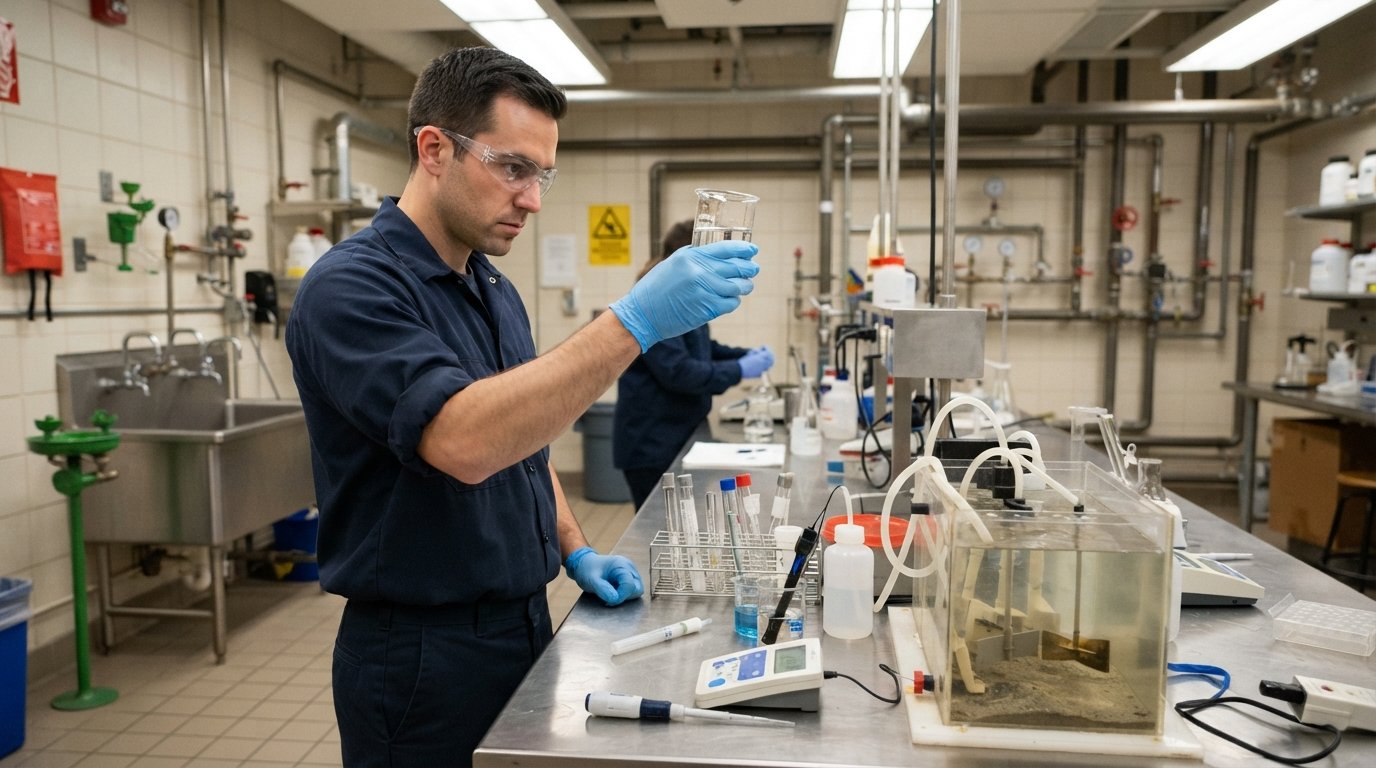
The Water Quality and Wastewater Treatment Management and Recycling Technology/Technician Certificate at Dona Ana Community College of NMSU-C16 is built around the core competencies that employers expect from entry-level technicians. Students learn how to monitor water quality, operate treatment equipment, interpret test results, and follow the safety and environmental regulations that govern the industry. The curriculum is grounded in both theory and practice, so graduates leave with the confidence to step into a treatment facility and contribute from day one.
Coursework typically includes topics such as water chemistry, microbiology, hydraulics, treatment plant operations, and environmental compliance. Students also gain exposure to recycling technology, which is increasingly important as communities look for sustainable ways to manage resources. Because the program is delivered in person, learners benefit from direct interaction with instructors who have real-world experience, as well as access to labs and equipment that simulate actual working conditions.
The short duration of the program, ranging from 12 weeks to less than one year, makes it an attractive option for anyone who needs to enter the job market quickly. Instead of committing to a multi-year degree, you can earn a focused credential that signals to employers that you have the specific skills required for water and wastewater operations.
Why Water and Wastewater Careers Are in Demand
Across the United States, a significant portion of the water and wastewater workforce is approaching retirement age. At the same time, aging infrastructure requires constant maintenance, upgrades, and monitoring. This combination of retirements and ongoing demand has created a steady need for new technicians who are trained in modern treatment methods and environmental regulations.
Water treatment and wastewater management are not industries that can be outsourced or automated away entirely. Communities must have clean drinking water and safe disposal of wastewater, regardless of economic conditions. That reliability translates into strong job security for trained technicians. Many positions also come with benefits such as health insurance, retirement plans, and opportunities for advancement into supervisory or specialized roles.
In addition, the growing emphasis on water reuse and recycling technology means that technicians with knowledge of advanced treatment processes are increasingly valuable. As regions deal with drought, population growth, and stricter environmental standards, the skills taught in this certificate program become even more relevant.
Admission Requirements and How to Apply
Admission to the Water Quality and Wastewater Treatment Management and Recycling Technology/Technician Certificate at Dona Ana Community College of NMSU-C16 generally follows the standard application process for certificate programs at the college. Prospective students should be prepared to submit an application, provide proof of high school completion or equivalent, and complete any required placement assessments. Because the program is hands-on and in person, applicants should also be ready to attend classes on campus and participate in laboratory activities.
It is always a good idea to speak with an academic advisor before enrolling. An advisor can help you understand the specific course sequence, confirm start dates, and identify any prerequisites that may apply. They can also discuss financial aid options, including grants, scholarships, and veteran benefits, that may help offset the cost of tuition and supplies.
If you are exploring multiple educational paths, you might find it helpful to compare this certificate with other short-term credentials in healthcare and administration. For example, our guide on the Medical Coding Specialist Certificate and Career Guide explains how another fast-track program can lead to a stable career. Tools like the degree matching service at CollegeDegrees.School can also help you weigh your options and find programs that align with your goals.
Before classes begin, make sure you have a clear plan for transportation, childcare, and study time. Because the program is intensive and short, staying organized from the start can make a significant difference in your success.
Core Skills You Will Develop
Graduates of this certificate program leave with a practical skill set that applies directly to the workplace. The curriculum is designed to build competence in several key areas, including water sampling and testing, equipment operation and maintenance, record keeping, and regulatory compliance. Students also learn how to troubleshoot common problems, communicate effectively with team members, and respond to emergencies such as equipment failures or contamination events.
Below are some of the primary skills you can expect to develop:
- Collecting and analyzing water and wastewater samples using standard laboratory methods
- Operating and maintaining pumps, valves, filters, and disinfection systems
- Interpreting test results and adjusting treatment processes accordingly
- Understanding federal, state, and local environmental regulations
- Documenting operational data and preparing reports for regulatory agencies
These skills are not just theoretical. They are practiced repeatedly in labs and simulated work environments, so you can build muscle memory and confidence. Employers value this kind of hands-on preparation because it reduces the learning curve during onboarding. Many graduates find that they are able to pass certification exams and qualify for operator licenses more quickly because of the practical foundation they received.
Career Outcomes and Job Opportunities
After completing the certificate, graduates are prepared for entry-level roles such as water treatment plant operator, wastewater treatment operator, laboratory technician, and utility maintenance worker. These positions exist in municipal governments, water districts, private utilities, and industrial facilities that treat process water or manage waste streams.
Career advancement is possible with additional experience and certifications. Many technicians move into roles such as lead operator, shift supervisor, compliance specialist, or plant manager. Some choose to continue their education and pursue an associate or bachelor's degree in environmental science, engineering, or a related field. The certificate can serve as both a terminal credential for immediate employment and a stepping stone for further study.
Because water and wastewater treatment is a regulated field, many positions require or prefer state certification. The training you receive in this program helps you prepare for those exams and understand the regulatory framework you will work within. Employers often support continuing education and certification renewal, which means your career can continue to grow even after you are hired.
Why Choose In-Person Training at Dona Ana Community College
Online learning has its advantages, especially for working adults. However, water and wastewater treatment is a field where hands-on experience matters. In-person training at Dona Ana Community College of NMSU-C16 gives you access to laboratories, equipment, and instructors who can demonstrate proper techniques and provide immediate feedback. This environment is particularly valuable for students who learn best by doing.
Being on campus also allows you to build relationships with classmates and instructors, which can lead to networking opportunities and job leads. Many local employers look to community college certificate programs as a reliable source of trained workers, and instructors often have connections in the industry. These relationships can be just as important as the technical skills you acquire.
Additionally, the program's location in southern New Mexico means you are training in a region that faces unique water challenges, including drought and water scarcity. This context makes the training even more relevant and prepares you to work in areas where water conservation and reuse are critical priorities.
Funding Your Education
Cost is a common concern for prospective students, but there are several ways to make this certificate program affordable. Federal financial aid, state grants, and institutional scholarships may be available to eligible students. Workforce development programs and veteran education benefits can also help cover tuition and fees. Because the program is short, the total cost is often lower than a full degree, which means you can start earning sooner and potentially pay back any loans more quickly.
It is important to fill out the Free Application for Federal Student Aid (FAFSA) as early as possible to see what you qualify for. The financial aid office at Dona Ana Community College can help you understand your options and complete the necessary paperwork. Some employers also offer tuition reimbursement or sponsorship for employees who pursue training related to their current or future roles.
When you calculate the return on investment, consider not just the cost of tuition but also the potential earnings and job stability that come with a credential in water and wastewater treatment. For many students, the certificate pays for itself within a short period of employment.
Steps to Enroll
If you are ready to take the next step, the enrollment process is straightforward. Here is a general sequence to follow:
- Visit the Dona Ana Community College website or contact the admissions office to confirm program details and start dates.
- Complete the college application and submit any required transcripts or documentation.
- Meet with an academic advisor to plan your course schedule and discuss financial aid.
- Complete placement testing if required and register for your first-semester classes.
- Attend orientation and prepare for the hands-on learning experience ahead.
Because the program is short, it is important to stay on top of deadlines and communicate with advisors regularly. If you have questions about transfer credits, prior learning, or certification requirements, ask them early so you can make informed decisions.
Building a Long-Term Career
Earning the Water Quality and Wastewater Treatment Management and Recycling Technology/Technician Certificate, 12 weeks to less than 1 year In-person at Dona Ana Community College of NMSU-C16 is just the beginning. The skills you learn will open doors, but your long-term success will depend on your willingness to continue learning, pursue certifications, and adapt to new technologies. The water industry is evolving, with increasing focus on energy efficiency, nutrient recovery, and water reuse. Technicians who stay current with these trends will be well positioned for advancement.
Consider joining professional organizations, attending workshops, and seeking mentors who can guide your career. The more you invest in your professional development, the more opportunities you will have to grow in responsibility and income. Many technicians find that their work is not just a job but a meaningful contribution to their communities.
If you are ready to explore this career path, reach out to Dona Ana Community College to learn more about the program, admission requirements, and start dates. You can also contact 8772187081 for guidance on next steps. A stable, essential career in water quality and wastewater treatment could be closer than you think.