
Surgical Tech Programs: A Complete Degree and Career Guide
This guide details surgical tech programs, from certificates to degrees, and outlines the path to a certified career in the operating room.

By Mason Reed
Operating rooms are high-stakes environments where precision, speed, and teamwork are paramount. At the heart of this orchestrated chaos is the surgical technologist, a critical allied health professional who ensures every procedure runs smoothly and safely. If you are drawn to a fast-paced, hands-on career in healthcare without spending a decade in medical school, understanding what surgical tech programs entail is your essential first step. This comprehensive guide will navigate you through the different types of surgical technician programs, the curriculum you can expect, the crucial steps to certification, and the rewarding career path that follows, providing a clear roadmap for your educational journey.
Understanding the Role of a Surgical Technologist
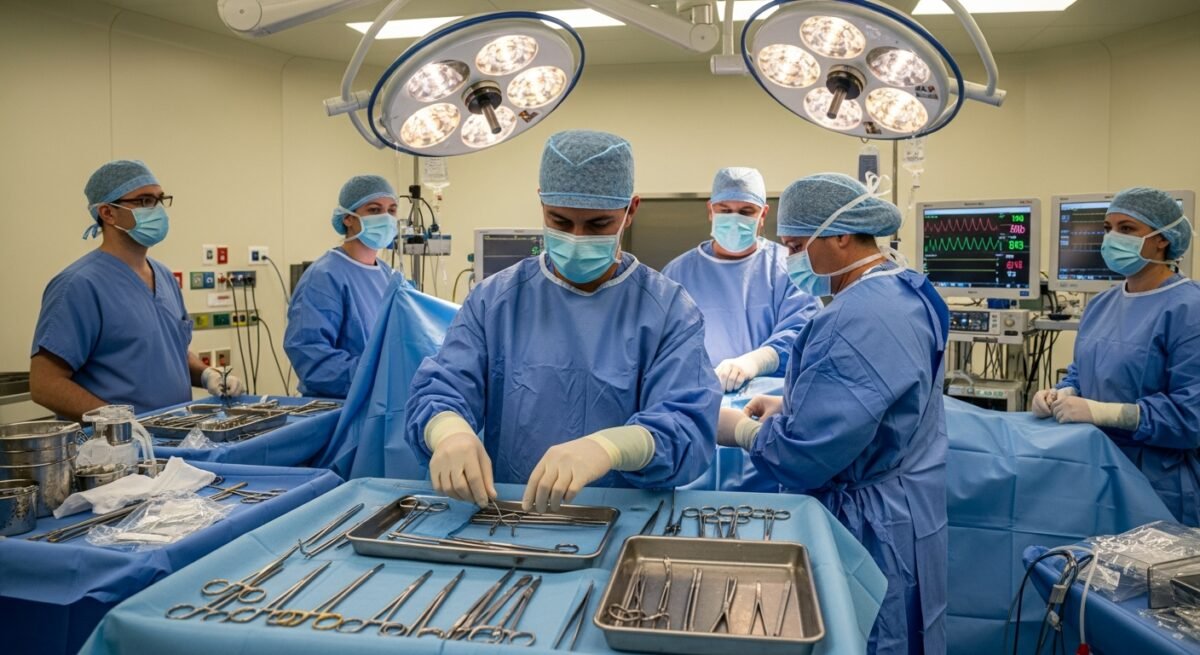
Before diving into educational pathways, it is vital to grasp the scope of the profession. Surgical technologists, often called surgical techs or operating room technicians, are integral members of the surgical team. Their primary responsibility is to prepare the operating room, including sterilizing equipment and ensuring all necessary instruments are available and functioning. During surgery, they pass instruments and supplies to surgeons and first assistants, maintain sterile technique, handle specimens, and assist with patient preparation and draping. After the procedure, they account for all instruments and supplies and help prepare the room for the next case. This role demands a unique blend of technical skill, meticulous attention to detail, physical stamina, and the ability to remain calm under pressure.
The career outlook for surgical technologists is strong, driven by an aging population requiring more surgical interventions and advancements in medical technology. According to the U.S. Bureau of Labor Statistics, employment is projected to grow faster than the average for all occupations. This stability, combined with the opportunity to make a tangible difference in patient outcomes, makes it an attractive field for many. For those interested in the broader landscape of hands-on, technology-driven healthcare careers, exploring uncommon tech programs in allied health can provide valuable context on related educational paths.
Types of Surgical Tech Programs and Degrees
Surgical tech programs are designed to provide the specialized knowledge and clinical experience required for entry-level practice. These programs are offered at various post-secondary institutions and lead to different credential levels. The choice between them depends on your career goals, timeline, and educational background.
Certificate and Diploma Programs
These are typically the fastest routes to entering the field, often taking 9 to 12 months of full-time study. Offered by vocational schools, technical institutes, and some hospitals, certificate and diploma programs focus intensely on core surgical technology skills. The curriculum is streamlined, with little to no general education requirements, making it ideal for individuals who already have some college credits or who wish to start working as quickly as possible. Graduates are prepared to sit for national certification exams and begin their careers promptly.
Associate Degree Programs
The Associate of Applied Science (A.A.S.) in Surgical Technology is the most common and widely recommended educational path. These programs, offered at community colleges and some four-year institutions, usually take about two years of full-time study. They provide a more comprehensive education than certificate programs, blending core surgical tech courses with general education in subjects like anatomy, physiology, microbiology, and medical terminology. This broader academic foundation can be beneficial for career advancement, specialization, or future bridge programs to become a surgical first assistant or nurse. The depth of training in an associate degree program is often viewed favorably by employers.
Bachelor’s Degree Programs
While less common, Bachelor of Science (B.S.) degrees in Surgical Technology are available. These four-year programs offer the most extensive education, including advanced courses in healthcare management, leadership, research, and specialized surgical procedures. A bachelor’s degree is particularly valuable for those aiming for supervisory or managerial roles, positions in surgical equipment sales or education, or as a stepping stone to graduate-level health professions. It provides the greatest long-term career flexibility and earning potential within the field.
Core Curriculum and Clinical Training
Regardless of the program type, accredited surgical tech programs share a rigorous core curriculum designed to build competency. Classroom and lab instruction covers essential topics that form the foundation of practice.
Key subjects include surgical anatomy and physiology, which provides an in-depth understanding of the human body systems on which you will be assisting. Sterilization and aseptic technique is a cornerstone, teaching the critical methods for preventing surgical site infections. Students learn about surgical instrumentation, including the names, uses, and care of hundreds of specialized tools. Pharmacology for the surgical tech covers common medications used in the OR, such as anesthetics and hemostatic agents. Other crucial topics include surgical procedures (organized by specialty like general, orthopedic, neurosurgery, etc.), wound healing, and legal and ethical responsibilities.
The most vital component of any surgical tech program is the hands-on clinical externship. This supervised practice in real hospital operating rooms and ambulatory surgery centers is where theory transforms into skill. Clinical training requirements vary but typically involve hundreds of hours and a minimum number of surgical cases across various specialties. During this time, students apply their knowledge, develop their technical speed and efficiency, and learn to navigate the complex interpersonal dynamics of the surgical team. This experience is indispensable and is a mandatory requirement for graduation and certification eligibility.
Accreditation and Certification: Non-Negotiable Steps
When researching surgical technician programs, accreditation should be your foremost filter. Graduating from a program accredited by the Commission on Accreditation of Allied Health Education Programs (CAAHEP) or the Accrediting Bureau of Health Education Schools (ABHES) is critical. Accreditation ensures the program meets nationally recognized standards for quality and rigor. More importantly, it is a prerequisite for taking the national certification exams, which are essential for employment in most states and healthcare facilities.
Upon graduation, the next step is to become certified. The National Board of Surgical Technology and Surgical Assisting (NBSTSA) offers the Certified Surgical Technologist (CST) credential, which is the gold standard in the field. To earn it, you must pass a comprehensive exam that tests your knowledge of all aspects of surgical technology. Maintaining certification requires continuing education. Some techs also pursue the Tech in Surgery – Certified (TS-C) credential from the National Center for Competency Testing (NCCT). Certification demonstrates your competence and commitment to the profession, significantly enhancing your job prospects. It is also important to research your state’s specific requirements, as some have additional regulations or licensure for surgical technologists.
Career Pathways and Advancement Opportunities
A career as a surgical technologist offers more than a single job title. It is a launchpad for diverse opportunities within and beyond the operating room. With experience, surgical techs can specialize in high-demand areas such as cardiovascular surgery, organ transplantation, neurosurgery, or orthopedic trauma. These specialties often command higher salaries and require additional, focused knowledge.
For those seeking advancement, one common path is to become a Surgical First Assistant (CSFA). First assistants work directly under the surgeon’s supervision to perform more complex tasks like controlling bleeding, suturing, and providing exposure of the surgical site. This role requires additional education, often through a certificate program, and separate certification. Other advancement routes include moving into leadership positions like lead technologist, sterile processing manager, or surgical services manager. Some techs transition into roles with medical device companies as sales representatives or clinical specialists, or they enter education to teach in surgical tech programs. The foundational experience gained in the OR is invaluable and opens many doors in the healthcare ecosystem.
Financial Considerations and Support
Investing in your education is a significant decision. The cost of surgical tech programs varies widely based on the type of institution (public vs. private), program length, and location. Certificate programs may range from a few thousand dollars to over $15,000, while associate degree programs at community colleges are generally more affordable, often costing between $5,000 and $20,000 for in-district students. It is crucial to factor in additional expenses like textbooks, scrubs, lab fees, and certification exam costs.
Fortunately, financial aid is available to eligible students. This includes federal grants and loans, which require completing the Free Application for Federal Student Aid (FAFSA). Many schools offer institutional scholarships, and there are private scholarships specifically for students pursuing allied health careers. Some hospitals may also offer tuition reimbursement or scholarship programs in exchange for a work commitment after graduation. Exploring all options for college degree guidance on funding is a critical step in planning your education, ensuring you can focus on your studies without undue financial stress.
Frequently Asked Questions
What is the difference between a surgical technologist and a surgical assistant?
A surgical technologist primarily handles instruments, maintains sterility, and prepares the OR. A surgical first assistant (a role often held by experienced techs with additional training) works more directly on the surgical field under the surgeon’s direction, performing tasks like suturing and providing tissue exposure.
Can I complete a surgical tech program online?
While didactic (classroom) portions of some programs may be offered online or in a hybrid format, the hands-on lab and clinical externship components are always in-person and cannot be completed remotely. This is due to the essential, practical nature of the skills being taught.
Is this a physically demanding job?
Yes. Surgical technologists are on their feet for long periods, often need to lift and move patients or heavy equipment, and must maintain focus and dexterity during procedures that can last many hours. Good physical stamina and ergonomic practices are important.
What personal qualities make a good surgical technologist?
Key traits include meticulous attention to detail, strong manual dexterity, the ability to work well under intense pressure and in a team, excellent communication skills, integrity, and a commitment to patient safety above all else.
How do I choose the right surgical tech program for me?
Prioritize CAAHEP or ABHES accreditation first. Then, compare factors like cost, graduation rates, job placement rates, certification exam pass rates, the quality of clinical rotation sites, and program length. Speaking with current students and graduates can provide invaluable insights.
Embarking on a surgical technology career begins with selecting the right educational program. By thoroughly researching accredited surgical tech programs, understanding the commitment to certification, and aligning your choice with your long-term professional goals, you can build a stable and fulfilling career at the forefront of patient care. The operating room awaits skilled, dedicated professionals, and with the proper training, you can become an indispensable part of the life-saving surgical team.