
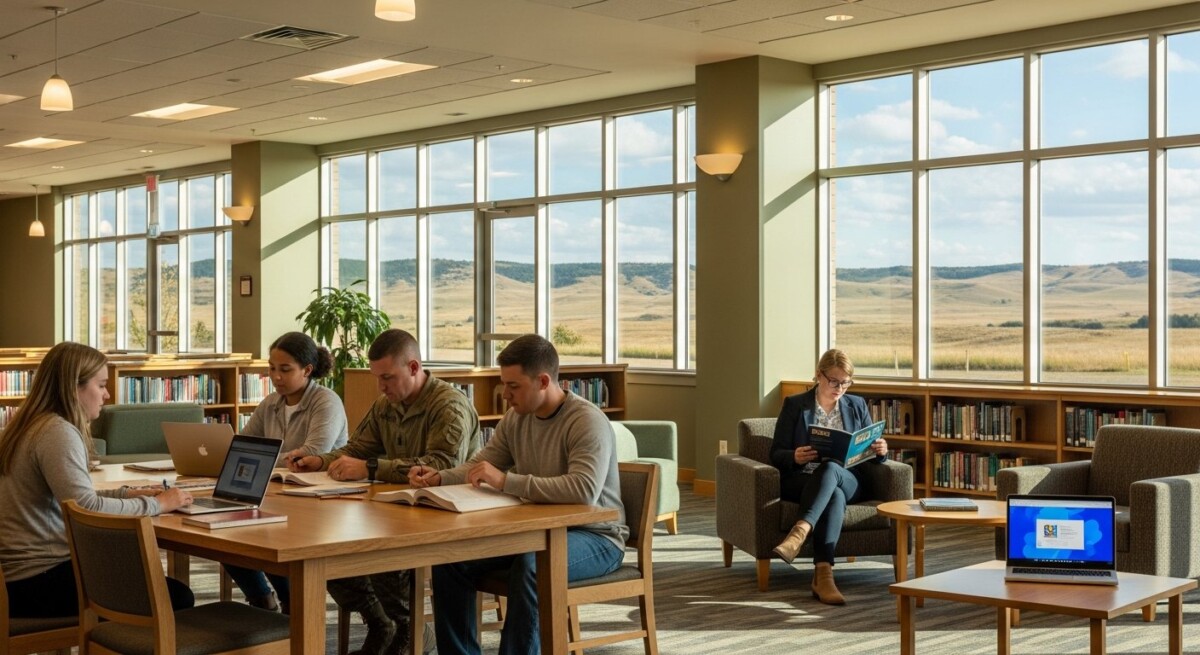
Finding the right bachelor’s degree program can feel overwhelming, especially when you are balancing work, family, and other commitments. For students in the Mount Rushmore State, understanding your options is the first step toward a brighter future. South Dakota bachelor’s degree program availability has expanded significantly in recent years, offering more pathways than ever before for traditional students, working adults, and career changers alike. Whether you are looking for an on-campus experience or the flexibility of online learning, the landscape of higher education in South Dakota is rich with opportunity. This guide will walk you through the types of programs available, how to choose the right fit, and the steps you can take to enroll in a degree that aligns with your goals.
The Expanding Landscape of Four-Year Degrees in South Dakota
South Dakota’s public university system, which includes six state-funded universities, forms the backbone of bachelor’s degree education in the state. These institutions range from large research universities to smaller teaching-focused colleges, each offering a distinct academic environment. The state has also seen a steady increase in private nonprofit colleges and for-profit institutions, adding to the diversity of choices. This growth means that South Dakota bachelor’s degree program availability now covers nearly every major field of study, from traditional liberal arts and sciences to highly specialized professional programs in engineering, nursing, and agriculture.
The state’s commitment to higher education is evident in its investment in both physical campuses and digital infrastructure. Many universities now offer hybrid models where students can combine online coursework with in-person labs or seminars. This flexibility is particularly valuable for students in rural areas who may not have easy access to a major campus. Additionally, South Dakota has worked to keep tuition rates competitive compared to national averages, making a bachelor’s degree more accessible for residents and out-of-state students alike. When you explore programs through a matching service like CollegeDegree.Education, you can compare these options side by side to find the best academic and financial fit.
Types of Bachelor’s Degree Programs Available
Understanding the different formats and delivery methods is crucial when evaluating your options. South Dakota bachelor’s degree program availability is not limited to the traditional four-year residential model. You can choose from several distinct pathways, each designed to meet different needs and lifestyles.
Traditional On-Campus Programs
Most students still prefer the classic college experience. South Dakota State University in Brookings, the University of South Dakota in Vermillion, and Black Hills State University in Spearfish offer comprehensive residential programs. These campuses provide access to face-to-face instruction, research opportunities, student organizations, and campus housing. If you are a recent high school graduate or someone who thrives in a structured, social environment, an on-campus program may be your best choice.
Fully Online Bachelor’s Degrees
For working adults and students with family obligations, online programs have become a game-changer. South Dakota bachelor’s degree program availability in the online space is robust, with many universities offering fully remote degrees in fields like business administration, psychology, criminal justice, and health sciences. These programs use learning management systems for coursework, virtual office hours with professors, and digital collaboration tools. The key advantage is flexibility: you can study at your own pace and on your own schedule, often completing assignments around your work shifts or childcare responsibilities.
Accelerated and Degree Completion Programs
If you have already completed some college credits, you might be interested in a degree completion program. These are designed specifically for transfer students or adults who left school before finishing a bachelor’s degree. Accelerated programs compress the timeline, sometimes allowing you to graduate in 18 to 24 months by taking heavier course loads or year-round classes. South Dakota bachelor’s degree program availability in this category is particularly strong in fields like nursing (RN-to-BSN) and education, where there is high demand for credentialed professionals.
Hybrid and Low-Residency Models
Some programs offer a middle ground. Hybrid degrees require occasional on-campus attendance for intensive weekends or summer sessions, while the rest of the coursework is completed online. This model is popular for graduate-level work but is also available for certain bachelor’s programs. It provides the flexibility of online learning with the personal connection and hands-on experiences that only in-person instruction can offer.
To help you compare these formats, consider the following key factors before making a decision:
- Accreditation status: Ensure the program is regionally accredited, which is the gold standard for transferability and graduate school admission.
- Total cost and financial aid: Compare tuition rates, fees, and the availability of scholarships, grants, and employer tuition reimbursement programs.
- Program length and flexibility: Look at how many credits are required, whether classes are asynchronous or synchronous, and if there are strict enrollment deadlines.
- Career services and alumni network: A strong career center can help with internships, job placement, and networking opportunities after graduation.
Each of these factors plays a role in determining which program will set you up for success. Take the time to research multiple schools and use comparison tools to narrow down your choices.
How to Evaluate Program Quality and Fit
Not all bachelor’s degree programs are created equal. When assessing South Dakota bachelor’s degree program availability, you should look beyond surface-level marketing materials. Start by verifying accreditation through agencies recognized by the U.S. Department of Education. Regional accreditation (such as the Higher Learning Commission) ensures that credits will transfer and that your degree will be respected by employers and other institutions.
Next, consider the program’s graduation rate and job placement statistics. Schools that publish these numbers transparently are usually confident in the quality of their education. You can also speak with current students or alumni through online forums or campus visits. Ask about the quality of advising, the responsiveness of faculty, and the availability of support services like tutoring and mental health counseling. A degree is a significant investment of time and money, and the right program should provide a supportive environment that helps you persist to graduation.
Financial Considerations and Affordability
Cost is often the deciding factor for students. South Dakota has some of the most affordable public university tuition rates in the nation, especially for in-state residents. However, out-of-state tuition can be significantly higher. Many universities offer reciprocity agreements with neighboring states, so check if you qualify for reduced rates. Additionally, South Dakota bachelor’s degree program availability includes numerous financial aid options, including federal Pell Grants, state scholarships, and institutional aid. Fill out the Free Application for Federal Student Aid (FAFSA) as early as possible to maximize your eligibility.
Another cost-saving option is to start at a community college and then transfer to a four-year institution. South Dakota’s technical colleges and community colleges offer associate degrees that articulate seamlessly into bachelor’s programs at state universities. This pathway can save you thousands of dollars on general education requirements. For more personalized guidance on financing your education, explore the resources available through academic program insights that break down tuition costs and scholarship opportunities across different institutions.
High-Demand Fields and Career Outcomes
Choosing a major is just as important as choosing a school. South Dakota’s economy has specific needs, and aligning your degree with those needs can improve your job prospects after graduation. Fields like healthcare, information technology, engineering, and education consistently show strong demand. For example, nursing programs in South Dakota produce graduates who often find employment immediately due to a statewide shortage of registered nurses. Similarly, computer science and cybersecurity degrees are growing rapidly as the state’s tech sector expands.
Business administration remains a versatile choice, applicable to roles in management, finance, marketing, and entrepreneurship. Agriculture and environmental science degrees are also uniquely relevant in a state where farming and ranching are central to the economy. Before committing to a program, research the local job market and talk to professionals in your desired field. Many universities host career fairs and employer networking events where you can learn firsthand about the opportunities available after graduation.
Frequently Asked Questions
What is the most affordable bachelor’s degree in South Dakota?
The most affordable options are typically at public universities like Dakota State University or Northern State University, especially for in-state residents. Online programs through these same institutions also tend to have lower tuition rates than private colleges.
Can I complete a bachelor’s degree entirely online in South Dakota?
Yes. Every public university in the state offers some fully online bachelor’s degree programs. Popular online majors include business, psychology, criminal justice, and general studies.
How long does it take to earn a bachelor’s degree in South Dakota?
A standard bachelor’s degree requires 120 credit hours and typically takes four years of full-time study. Accelerated programs and transfer pathways can reduce this to two or three years.
Are there bachelor’s degree programs in South Dakota for working adults?
Absolutely. Many universities offer evening, weekend, and online classes specifically designed for adult learners. Some also offer credit for prior learning or work experience.
Navigating the options for higher education takes careful thought, but the effort is worthwhile. South Dakota bachelor’s degree program availability continues to grow, providing diverse and accessible pathways for students at every stage of life. Whether you are just out of high school or looking to change careers later in life, the right program is out there. Use the tools and resources available to compare schools, understand costs, and connect with admissions counselors who can guide you through the application process. Your future starts with a single step: researching your options and taking action toward enrolling in a program that matches your aspirations.