
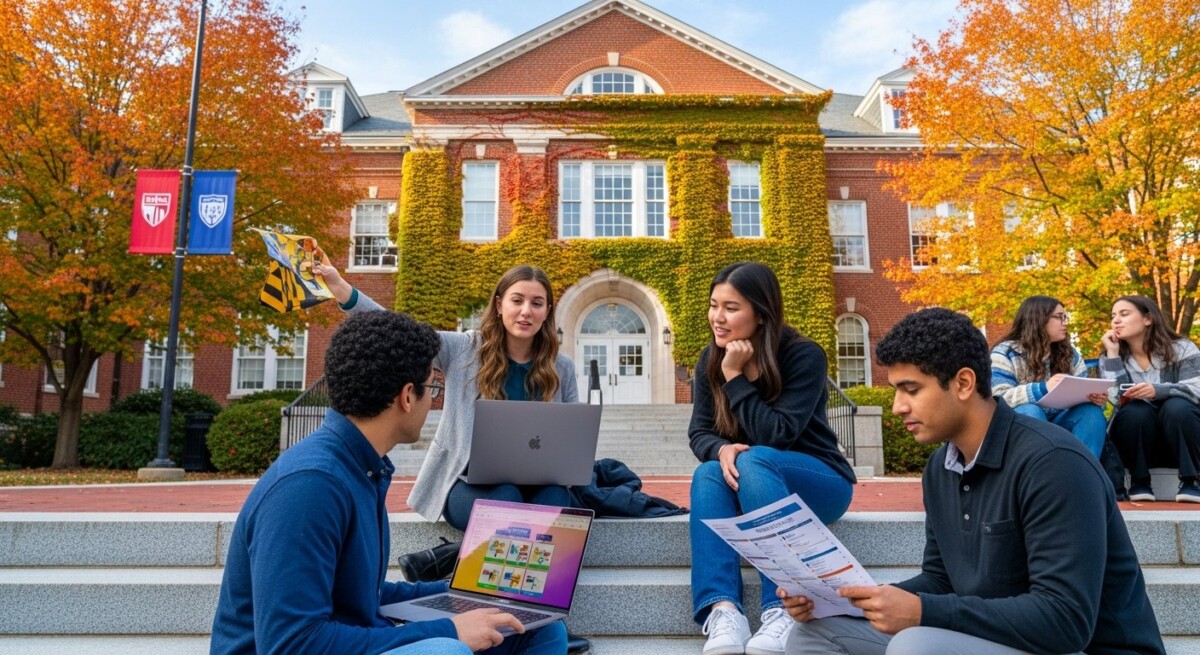
Selecting a bachelor’s program is one of the most consequential decisions a student can make. In Maryland, the landscape of higher education is both rich and complex, offering everything from research-intensive universities to flexible online programs. Understanding the full range of Maryland higher education bachelor’s degree choices requires more than a simple list of schools. It demands a strategic look at accreditation, cost, career outcomes, and the specific fit between a student’s goals and an institution’s strengths. This article provides a clear framework for navigating those decisions, helping you identify the path that leads to both academic success and professional opportunity.
Understanding the Maryland Higher Education Landscape
Maryland is home to a diverse set of public and private institutions, each with distinct missions and program offerings. The University System of Maryland (USM) includes flagship research universities like the University of Maryland, College Park, and comprehensive regional institutions such as Towson University and Salisbury University. These schools offer a wide array of bachelor’s degrees, from engineering and computer science to the humanities and social sciences. Private institutions, including Johns Hopkins University and Loyola University Maryland, provide specialized programs often with smaller class sizes and strong alumni networks.
Beyond traditional four-year colleges, Maryland also supports a robust community college system. Schools like Montgomery College and Anne Arundel Community College offer associate degrees that transfer seamlessly into bachelor’s programs at USM institutions through transfer articulation agreements. This pathway can significantly reduce the cost of a bachelor’s degree while providing a flexible entry point for students who are still exploring their academic interests. For working adults and those with family obligations, online degree programs from accredited Maryland institutions have become an increasingly popular option, allowing students to earn a bachelor’s degree without relocating or disrupting their careers.
When evaluating Maryland higher education bachelor’s degree choices, it is essential to consider accreditation status. Regional accreditation from the Middle States Commission on Higher Education (MSCHE) is the gold standard for Maryland colleges. Credits earned at regionally accredited institutions transfer more easily, and employers and graduate schools generally prefer degrees from these schools. Always verify an institution’s accreditation before applying, as this single factor can affect financial aid eligibility, transfer options, and long-term career prospects.
Key Factors for Choosing a Bachelor’s Program
Every student’s situation is unique, but several universal factors should guide the decision-making process. The following list outlines the most critical elements to evaluate when comparing programs.
- Accreditation and Institutional Reputation: Confirm regional accreditation and research the school’s reputation in your intended field of study. A university strong in engineering may not have the same strengths in education or nursing.
- Program Format and Flexibility: Determine whether you need on-campus, online, or hybrid options. Some programs offer evening or weekend classes to accommodate working students.
- Total Cost and Financial Aid: Calculate tuition, fees, room and board, and books. Compare financial aid packages, including scholarships, grants, and work-study opportunities. Maryland offers the Howard P. Rawlings Guaranteed Access Grant for eligible students.
- Career Services and Internship Placement: Investigate the career center’s track record for placing graduates in jobs or graduate programs. Strong internship connections can lead directly to employment after graduation.
- Graduation and Retention Rates: High graduation rates often indicate strong student support services. Low retention rates may signal problems with academic advising or campus climate.
After reviewing these factors, create a shortlist of three to five programs that align with your priorities. Visit campuses if possible, attend virtual information sessions, and speak with current students or alumni. This hands-on research will reveal details that websites and brochures often omit, such as the quality of academic advising or the availability of research opportunities for undergraduates.
Popular Bachelor’s Degree Fields in Maryland
Maryland’s economy is driven by several key industries, and many students choose bachelor’s programs that align with these sectors. The state’s proximity to Washington, D.C., fuels demand for degrees in cybersecurity, public policy, and health administration. The presence of major federal agencies, including the National Institutes of Health and the Food and Drug Administration, creates strong demand for graduates in biological sciences, public health, and data analytics. For those interested in technology, the Baltimore-Washington corridor is a hub for information technology and defense contracting, making computer science and information systems degrees particularly valuable.
Other popular fields include business administration, nursing, and education. Maryland faces a persistent shortage of qualified teachers and healthcare professionals, so graduates in these areas often find employment quickly after earning their degrees. Engineering programs, especially those focused on aerospace, mechanical, and electrical engineering, also attract strong interest due to partnerships with companies like Northrop Grumman and Lockheed Martin. When exploring Maryland higher education bachelor’s degree choices, students should research local labor market data to understand which fields offer the strongest return on investment.
Specialized Programs and Industry Partnerships
Several Maryland institutions offer specialized programs that combine classroom learning with hands-on industry experience. For example, the University of Maryland, Baltimore County (UMBC) is nationally recognized for its cybersecurity and information technology programs, benefiting from its location near the National Security Agency. Salisbury University has a strong nursing program with clinical placements at regional hospitals. Towson University offers a competitive business program with a dedicated career center that connects students with internships at Fortune 500 companies operating in the Baltimore area.
These partnerships often lead to guaranteed internship placements, co-op programs, and even direct hiring pipelines. When researching schools, ask about formal agreements with employers in your field of interest. Some universities have dedicated career fairs specifically for certain majors, which can be a significant advantage when entering competitive job markets.
Online and Accelerated Degree Options
For students who need maximum flexibility, online bachelor’s degree programs from accredited Maryland institutions provide a viable alternative to traditional on-campus education. The University of Maryland Global Campus (UMGC) was a pioneer in online education and now offers more than 90 undergraduate programs entirely online. Other USM schools, including the University of Maryland, College Park, also offer online degrees in fields such as information science, criminology, and public health. These programs are designed for working adults and military personnel, with asynchronous courses that allow students to complete assignments on their own schedule.
Accelerated degree programs, sometimes called 3-year degrees or competency-based programs, allow motivated students to earn a bachelor’s degree in less time than the traditional four years. Some Maryland community colleges offer dual enrollment programs where high school students can earn college credits simultaneously. These pathways can reduce the total cost of a degree and help students enter the workforce sooner. However, accelerated programs require strong time management skills and a clear academic focus. Students considering this route should consult with academic advisors to ensure they can handle the compressed timeline without sacrificing learning quality.
For those exploring different academic tracks, our guide on Bachelor’s Degree Programs at Arkansas Institutions provides a useful comparison point for understanding how regional institutions structure their offerings. While focused on Arkansas, the principles of program evaluation apply broadly across state lines.
Financial Aid and Affordability Strategies
The cost of a bachelor’s degree in Maryland varies widely. In-state tuition at public universities is generally more affordable than private institutions, but even public school costs can be significant. The Maryland Higher Education Commission (MHEC) administers several state-based financial aid programs, including the Howard P. Rawlings Educational Assistance Grant and the Delegate Scholarship Program. Students should complete the Free Application for Federal Student Aid (FAFSA) as early as possible to maximize eligibility for federal grants, loans, and work-study funds.
Beyond traditional aid, many students reduce costs by attending a community college for the first two years before transferring to a four-year institution. Maryland’s transfer agreements ensure that credits earned at community colleges apply toward bachelor’s degrees at USM schools. This path can cut the total cost of a bachelor’s degree by thousands of dollars. Additionally, some employers offer tuition reimbursement programs for employees pursuing degrees related to their current jobs. Military veterans and active-duty service members may qualify for the Post-9/11 GI Bill, which covers full in-state tuition at public institutions.
Frequently Asked Questions
What is the most affordable way to earn a bachelor’s degree in Maryland?
The most affordable path typically involves starting at a Maryland community college and then transferring to a public four-year university through a guaranteed transfer agreement. This strategy can reduce overall tuition costs by 30-50% compared to completing all four years at a university.
Are online bachelor’s degrees from Maryland colleges respected by employers?
Yes, as long as the institution holds regional accreditation from the Middle States Commission on Higher Education. Employers value the flexibility and self-discipline required to complete an online degree, and many major Maryland employers actively recruit graduates from UMGC and other accredited online programs.
How do I verify a Maryland college’s accreditation status?
Visit the U.S. Department of Education’s Office of Postsecondary Education website or the Council for Higher Education Accreditation (CHEA) database. You can search by institution name to confirm its accreditation status and any sanctions or warnings.
Can I change my major after starting a bachelor’s program in Maryland?
Yes, most Maryland universities allow students to change majors, though some programs with limited enrollment (such as nursing or engineering) may have additional requirements. Changing majors may extend your time to graduation, so it is wise to explore academic interests early through general education courses.
What resources are available for first-generation college students in Maryland?
Many Maryland colleges offer TRIO Student Support Services programs, which provide academic advising, tutoring, and financial aid guidance specifically for first-generation and low-income students. The Maryland Higher Education Commission also offers the Guaranteed Access Grant for eligible first-generation students.
Exploring Maryland higher education bachelor’s degree choices can feel overwhelming, but a systematic approach makes the process manageable. Start by identifying your academic interests and career goals, then research institutions that offer strong programs in those areas. Consider factors like accreditation, cost, flexibility, and support services. Use the resources available through CollegeDegree.Education to compare programs, understand financial aid options, and connect with schools that match your needs. The right bachelor’s degree can open doors to a fulfilling career and a lifetime of opportunities. Take the time to make an informed decision, and do not hesitate to reach out to admissions counselors and current students for firsthand insights.
For those ready to take the next step, exploring academic program insights can provide additional clarity on which degree pathways align with your personal and professional aspirations. The investment you make in your education today will pay dividends for years to come.