
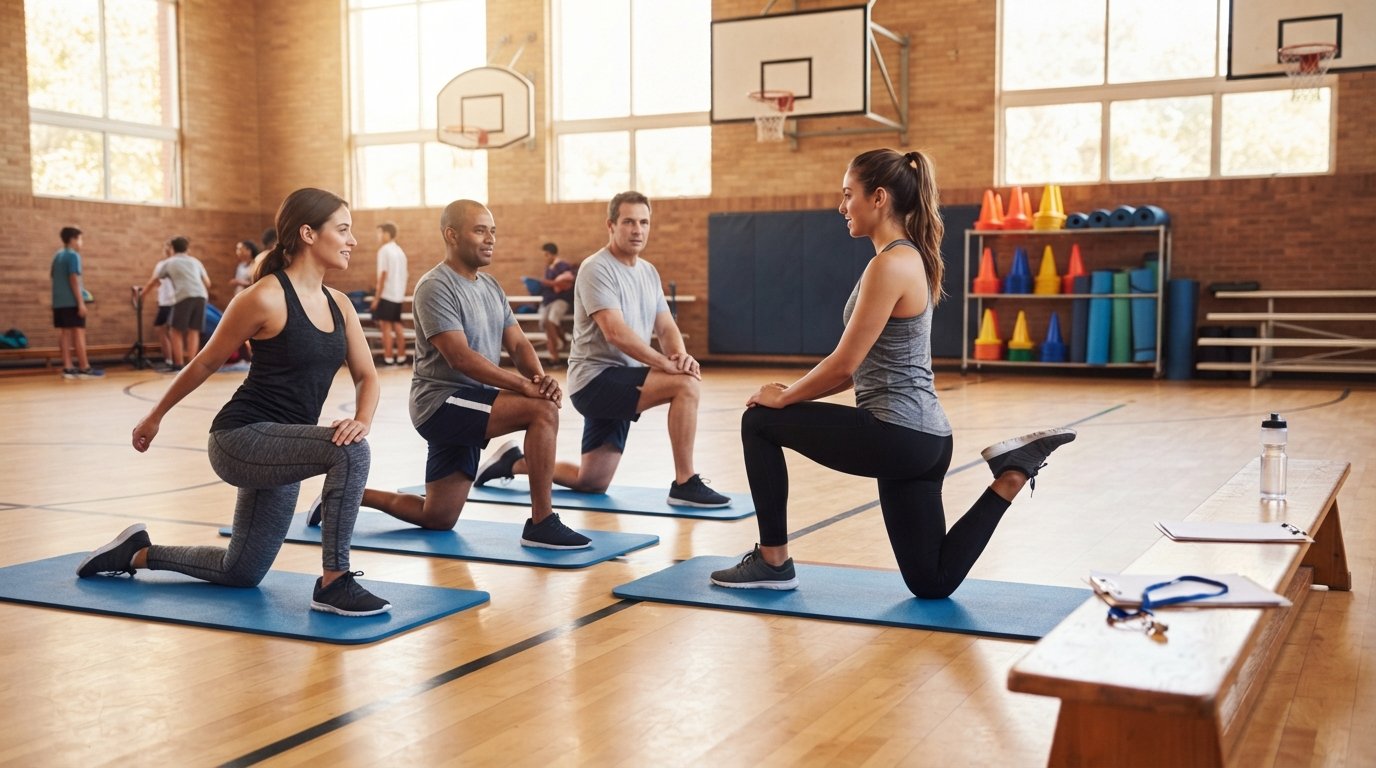
PE Teaching and Coaching Bachelor's at Concordia
Explore the Physical Education Teaching and Coaching Bachelor's degree, usually 4 years In-person at Concordia University-Saint Paul, and the teaching and coaching careers it opens.

By Alex Jordan
If you want to turn a passion for sports and fitness into a classroom or a gymnasium, the right degree can set the tone for your entire career. The Physical Education Teaching and Coaching Bachelor's degree, usually 4 years In-person at Concordia University-Saint Paul, blends movement science, teaching methods, and hands-on coaching practice into one coherent program. It is a practical pathway for students who want to lead physical education classes, coach school teams, or work in community recreation. This guide explains what the program covers, how to get in, what it costs, and where graduates go next, so you can decide whether it fits your goals.
What This Physical Education Teaching and Coaching Program Covers
Concordia University-Saint Paul structures this major around two connected goals: preparing you to teach physical education in schools and preparing you to coach athletes at the youth, middle school, or high school level. Coursework typically moves from foundational subjects like anatomy, kinesiology, and exercise physiology into teaching methods, motor development, and sport psychology. You also study how to plan units, assess student learning, and manage a gym or field full of learners with different skill levels.
The coaching side of the degree usually includes sport-specific technique courses, team management, and ethics in athletics. Many programs also require first aid, CPR, and concussion training because schools and athletic associations expect coaches to be prepared for emergencies. Because the degree is delivered in person, you get regular access to faculty who have worked in schools and athletic departments, and you practice skills in real time with classmates rather than only through video lectures.
Expect a mix of lecture courses, lab sessions, and field experiences. Lab work might involve fitness testing, skill analysis, or lesson demonstrations. Field experiences place you in local schools or recreation programs under the supervision of a cooperating teacher or coach. Over four years, these experiences build a portfolio of lesson plans, assessment tools, and coaching plans that you can show employers.
Why the In-Person Format Matters for Future PE Teachers and Coaches
Physical education is a performance-based field. You cannot learn to manage a class of thirty students or correct a swimmer's stroke from a textbook alone. The in-person format gives you immediate feedback from instructors who can watch you teach a lesson and point out what to adjust. It also builds the professional habits that schools look for: punctuality, energy, safety awareness, and the ability to communicate clearly in a noisy environment.
In-person programs also make it easier to complete the field hours that licensure and coaching certification often require. Local school partnerships, campus recreation centers, and nearby athletic programs provide steady placements. Students who need to work while enrolled often find that campus jobs as recreation leaders, camp counselors, or assistant coaches complement their coursework and strengthen their resumes.
That does not mean online study is never useful. Some general education requirements may be available online, and many working adults use flexible formats for continuing education. If you are comparing options, our guide to an Emory general education bachelor's degree shows how a four-year in-person structure works at another institution, which can help you compare formats and costs.
Admission Requirements and Application Steps
Concordia University-Saint Paul reviews applicants holistically, so strong grades help but they are not the only factor. A typical application includes your high school transcript, a personal statement, and sometimes letters of recommendation. Because the program leads to work with children and athletes, you should also expect a background check before field placements begin. Some states and districts require fingerprinting for school-based experiences.
Here is a practical sequence to follow if you are applying:
- Confirm the program's current admission standards and deadlines on the university website or with an admissions counselor.
- Submit your application, transcript, and any required essays or recommendations early in your senior year.
- Complete the Free Application for Federal Student Aid (FAFSA) and review your aid offer carefully.
- Ask about field placement requirements, including background checks, health forms, and liability insurance.
- Meet with an academic advisor to map out the four-year plan, including licensure exams and coaching certifications.
Transfer students should request a transcript evaluation before committing. Courses in anatomy, physiology, and general psychology often transfer, but methods courses and field experiences may need to be completed at the new institution. This is also the moment to ask whether the program meets the licensure requirements of the state where you plan to teach, since requirements vary.
Cost, Financial Aid, and Value
Tuition at a private university like Concordia University-Saint Paul is typically higher than at a public institution, but the sticker price is rarely what students pay. Merit scholarships, need-based grants, and athletic or activity awards can reduce the net cost substantially. Minnesota also offers state grant programs for residents, and the federal TEACH Grant may apply to some teacher preparation programs, though it comes with a service obligation.
To estimate your real cost, subtract all gift aid (grants and scholarships that do not need to be repaid) from the total cost of attendance, then compare that figure across schools. Do not compare sticker prices alone. Also factor in costs that are easy to overlook: certification exams, coaching clinics, uniforms or professional clothing for field experiences, and transportation to placements. A modest emergency fund for these items prevents surprises later.
For broader career research, Careers.org offers plain-language descriptions of occupations, including the education, licenses, and training that different roles require, which can help you weigh this degree against other options.
Curriculum Highlights and Hands-On Learning
Most four-year physical education teaching and coaching programs follow a predictable arc. The first year covers general education and foundational courses in health and human movement. The second year adds motor development, biomechanics, and the first teaching methods course. The third year focuses on curriculum design, assessment, and coaching theory, with field experiences in schools. The fourth year usually includes student teaching, a coaching practicum, and a capstone or portfolio project.
You can expect to build several practical artifacts along the way:
- Unit and lesson plans aligned with state or national physical education standards
- Fitness and skill assessments with rubrics you can use in a real class
- Season plans and practice schedules for a sport you intend to coach
- Safety and emergency action plans for gym, field, and aquatic settings
- A professional portfolio and resume tailored to teaching and coaching jobs
These artifacts matter because hiring committees want evidence, not just transcripts. A candidate who can show a well-designed volleyball unit or a data-driven fitness plan stands out. Faculty often help students revise these materials and rehearse interview demonstrations, which is another benefit of the in-person format.
Licensure, Certification, and Coaching Requirements
Teaching physical education in a public school generally requires a state teaching license. Completing an approved teacher preparation program, passing required exams, and completing student teaching are common steps. Because licensing rules differ by state, confirm that the program leads to licensure in the state where you plan to work. If you intend to move, ask about reciprocity agreements and any additional exams.
Coaching requirements are separate and vary widely. Some states require coaching certification for paid positions, while others leave hiring decisions to districts. Many schools prefer candidates who hold current CPR, first aid, and concussion training. Some national coaching credentials can strengthen your application, especially for higher-profile sports. Your program advisor can help you sequence these credentials so you are not paying for them all in one semester.
Career Outcomes for Graduates
Graduates typically pursue several kinds of roles. The most direct path is teaching physical education in a K-12 school, often combined with coaching one or more sports. Others work in community recreation, YMCA or parks programs, private sports academies, or fitness centers. Some continue to graduate study in athletic training, exercise science, or educational leadership.
Job prospects depend on location and the subjects you are licensed to teach. Schools sometimes value candidates who can teach a second subject, such as health or a core academic area, because it makes scheduling easier. Coaches who can lead multiple sports are also attractive to smaller districts. Building a broad skill set during your field experiences is one of the best ways to improve your employability.
Choosing Between Programs and Next Steps
If you are comparing this program with others, look beyond the course list. Ask about the percentage of graduates who find teaching positions, the strength of school partnerships, and the amount of supervised field experience. Ask current students what the coaching practicum is actually like. Visit campus if you can, watch a class, and talk to faculty about their backgrounds. The right fit is about more than tuition.
The Physical Education Teaching and Coaching Bachelor's degree, usually 4 years In-person at Concordia University-Saint Paul, is a structured route into a field that rewards energy, preparation, and genuine care for students. If you thrive in active settings and want to teach and coach, it is worth a serious look. Start by confirming admission requirements and financial aid deadlines, then map out the four years with an advisor so every field experience and certification counts toward your goals.