
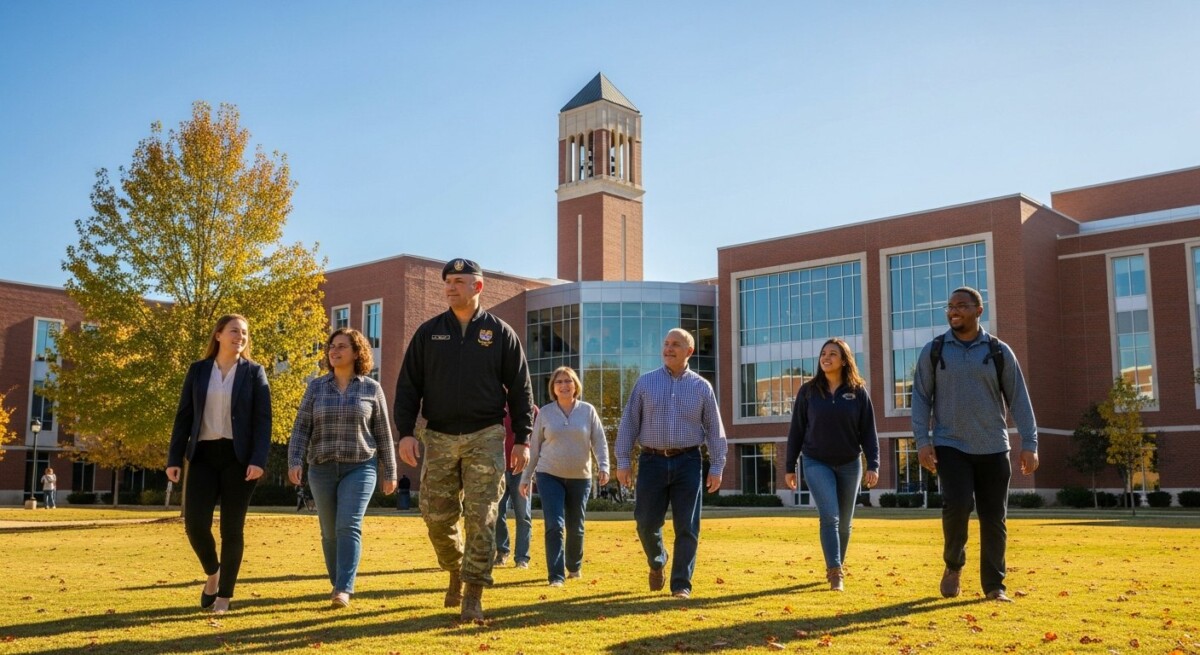
Oklahoma offers a rich landscape for students seeking a bachelor’s degree, from large research universities to smaller private colleges and flexible online programs. Whether you are a high school senior planning your next step, a working adult looking to change careers, or a military veteran exploring education benefits, the state provides diverse pathways to a four-year degree. Understanding the full range of Oklahoma undergraduate degree opportunities can help you make a confident decision about your future.
The Sooner State is home to institutions known for strong programs in energy, agriculture, aerospace, and health sciences. Yet finding the right fit requires more than browsing a list of schools. You need to consider accreditation, cost, campus culture, and career outcomes. This guide walks through the major options available, how to evaluate them, and the practical steps to enroll. For a broader look at how degrees compare across different states, our guide on Kentucky undergraduate degree programs and pathways offers a useful comparison framework.
Major Public Universities in Oklahoma
Oklahoma’s public university system forms the backbone of undergraduate education in the state. These institutions offer the widest variety of majors, the most research opportunities, and generally the lowest tuition for in-state residents. The two flagship universities dominate the landscape, but several regional universities provide excellent alternatives.
The University of Oklahoma in Norman is the largest university in the state, enrolling over 20,000 undergraduates. It is particularly strong in meteorology, petroleum engineering, business, and the performing arts. OU also offers the National Merit Scholar program, which attracts high-achieving students from across the country. Oklahoma State University in Stillwater is another powerhouse, known for its veterinary medicine, agriculture, engineering, and hospitality programs. OSU has a strong sense of community and a vibrant campus life centered around athletics and student organizations.
Beyond the flagships, regional public universities serve specific areas and student populations. The University of Central Oklahoma in Edmond is a leader in teacher education and forensic science. Northeastern State University in Tahlequah has deep roots in Native American studies and health professions. Southeastern Oklahoma State University in Durant offers strong aviation and business programs. Southwestern Oklahoma State University in Weatherford is known for its pharmacy and nursing programs. These regional schools often feature smaller class sizes and lower costs, making them attractive for students who prefer a more personalized experience.
Private and Faith-Based Institutions
Oklahoma also has a robust network of private colleges and universities. These institutions typically offer smaller campuses, closer faculty relationships, and a distinct educational philosophy. Many are affiliated with religious denominations, though they welcome students of all backgrounds.
Oral Roberts University in Tulsa is a well-known Christian university with a focus on whole-person education. It offers strong programs in nursing, business, and theology. The University of Tulsa is a private research university with a high academic reputation, particularly in engineering, law, and the arts. TU has a low student-to-faculty ratio and offers substantial scholarships. Oklahoma City University is another respected private institution, known for its performing arts school, law school, and nursing programs. Smaller liberal arts colleges like Oklahoma Baptist University in Shawnee and Southern Nazarene University in Bethany provide intimate learning environments with a strong sense of community.
Private colleges often come with higher sticker prices, but they also tend to offer generous institutional aid. Many students find that after scholarships and grants, the net cost is competitive with public universities. It is essential to complete the FAFSA and explore each school’s merit-based scholarship criteria.
Online and Flexible Degree Programs
For students who need flexibility due to work, family, or location, Oklahoma undergraduate degree opportunities extend into the online space. Most public and private universities in the state now offer fully online bachelor’s degree programs. These programs are designed for self-motivated learners who can manage their schedules while still receiving a quality education from accredited institutions.
Oklahoma State University offers over a dozen online bachelor’s degrees, including business administration, psychology, and fire protection and safety engineering technology. The University of Oklahoma has an online Bachelor of Arts in Liberal Studies and several completion programs for students who have transfer credits. Regional universities like Southwestern Oklahoma State and the University of Central Oklahoma also offer online degrees in high-demand fields like nursing (RN to BSN), criminal justice, and elementary education.
One key advantage of online programs is that they often charge the same tuition rate for in-state and out-of-state students. This can make them a cost-effective option for students who live outside Oklahoma or who travel frequently. However, it is critical to verify that the program is regionally accredited. Accreditation ensures that credits will transfer and that the degree is respected by employers and graduate schools. For personalized help comparing online programs, you can use a matching service like CollegeDegree.Education to explore accredited online degree options that fit your schedule and career goals.
Community College Transfer Pathways
Another popular route to a bachelor’s degree in Oklahoma is the community college transfer pathway. Oklahoma has a strong system of community colleges, including Tulsa Community College, Oklahoma City Community College, Redlands Community College, and many others. These two-year schools offer associate degrees and general education courses at a fraction of the cost of four-year universities.
The Oklahoma State Regents for Higher Education oversee a comprehensive articulation agreement that makes it easy to transfer credits between public institutions. Students who earn an associate degree at an Oklahoma community college are guaranteed junior standing at any Oklahoma public university, provided they meet the GPA requirements. This is often called the 2+2 plan. It can save students tens of thousands of dollars while allowing them to adjust to college-level work in a smaller setting.
Many community colleges also have strong support services for first-generation students, working adults, and those who need developmental coursework. Advisors can help students select courses that align with their intended major at the four-year university. This pathway is especially effective for students who are undecided about their major or who want to build a strong academic record before transferring.
Programs for Military and Working Adults
Oklahoma has a significant military presence, with bases like Tinker Air Force Base, Fort Sill, and Vance Air Force Base. As a result, many Oklahoma universities have robust programs for active-duty service members, veterans, and military families. The University of Oklahoma and Oklahoma State University both have dedicated veterans’ centers and participate in the Yellow Ribbon Program, which helps cover tuition costs that exceed the Post-9/11 GI Bill cap.
For working adults, several universities offer accelerated degree programs that allow students to complete a bachelor’s degree in less than four years. These programs often have shortened terms, evening classes, and credit for prior learning or professional experience. For example, Oklahoma City University offers an accelerated Bachelor of Science in Nursing for students who already hold a degree in another field. The University of Central Oklahoma has a Bachelor of Arts in Organizational Leadership designed specifically for working professionals.
Key benefits for adult learners include:
- Credit for military training and experience through the Joint Services Transcript (JST).
- Prior learning assessment (PLA) credit for work experience, certifications, and volunteer activities.
- Flexible class schedules with evening, weekend, and online options.
- Dedicated adult learner advisors who understand the unique challenges of balancing school with work and family.
These flexible pathways make it possible for adults to earn a degree without putting their careers on hold. The key is to start early with an advisor who can help map out a plan that maximizes transfer credits and prior learning.
Financial Aid and Scholarship Opportunities
The cost of a bachelor’s degree can be daunting, but Oklahoma offers several financial aid programs that make college more affordable. The Oklahoma Tuition Aid Grant (OTAG) is a need-based grant for Oklahoma residents attending eligible institutions. The Oklahoma’s Promise program is a unique scholarship that covers tuition for students from families with an annual income below a certain threshold, provided they take a rigorous high school curriculum and maintain a 2.5 GPA.
Individual universities also offer substantial merit-based scholarships. The University of Oklahoma’s National Merit Scholarship program is one of the most generous in the country, covering full tuition, room, board, and a stipend for National Merit Finalists. Oklahoma State University offers similar packages for high-achieving students. Smaller schools like the University of Tulsa and Oklahoma City University also compete for top students with significant scholarship offers.
For students who need additional funding, federal student loans and work-study programs are available through the FAFSA. It is wise to maximize grants and scholarships before taking on loans. Many students also benefit from part-time employment on campus or in the local community. Financial aid offices at each school can provide personalized estimates of net cost after aid.
Frequently Asked Questions
What is the cheapest way to earn a bachelor’s degree in Oklahoma?
The most affordable path is typically to start at a community college for two years and then transfer to a public university. This can cut total costs by 30-50%. Completing the FAFSA and applying for the Oklahoma Tuition Aid Grant and Oklahoma’s Promise scholarship can further reduce expenses.
Are online degrees from Oklahoma universities respected by employers?
Yes, as long as the university is regionally accredited. Online degrees from accredited Oklahoma public universities carry the same weight as on-campus degrees. Employers look for accreditation and the reputation of the institution, not the delivery format.
Can I work full-time while earning a bachelor’s degree in Oklahoma?
Many Oklahoma universities offer evening, weekend, and fully online programs designed for working adults. Accelerated degree programs can also help you finish faster. You should expect a significant time commitment, but flexible options do exist.
How do I know if my credits will transfer between Oklahoma colleges?
The Oklahoma State Regents for Higher Education maintain a statewide transfer matrix. You can use the online transfer tool at OKCollegeStart.org to see how specific courses transfer. Always check with an advisor at both the sending and receiving institutions before enrolling.
What are the most in-demand bachelor’s degrees in Oklahoma?
Engineering (especially petroleum and mechanical), nursing, computer science, business administration, and education are consistently high-demand fields. Oklahoma’s energy sector also creates strong demand for geosciences and environmental science graduates.
Making Your Decision
Choosing among the many Oklahoma undergraduate degree opportunities requires careful thought about your goals, budget, and learning style. Start by identifying a few programs that match your intended career path. Then compare costs after financial aid, not just the sticker price. Visit campuses if possible, or attend virtual information sessions for online programs. Talk to current students and alumni to get an honest sense of the experience. Finally, work with an admissions counselor or use a matching service to clarify your options. With the right research and planning, you can find a degree program in Oklahoma that sets you up for a successful and fulfilling career.