
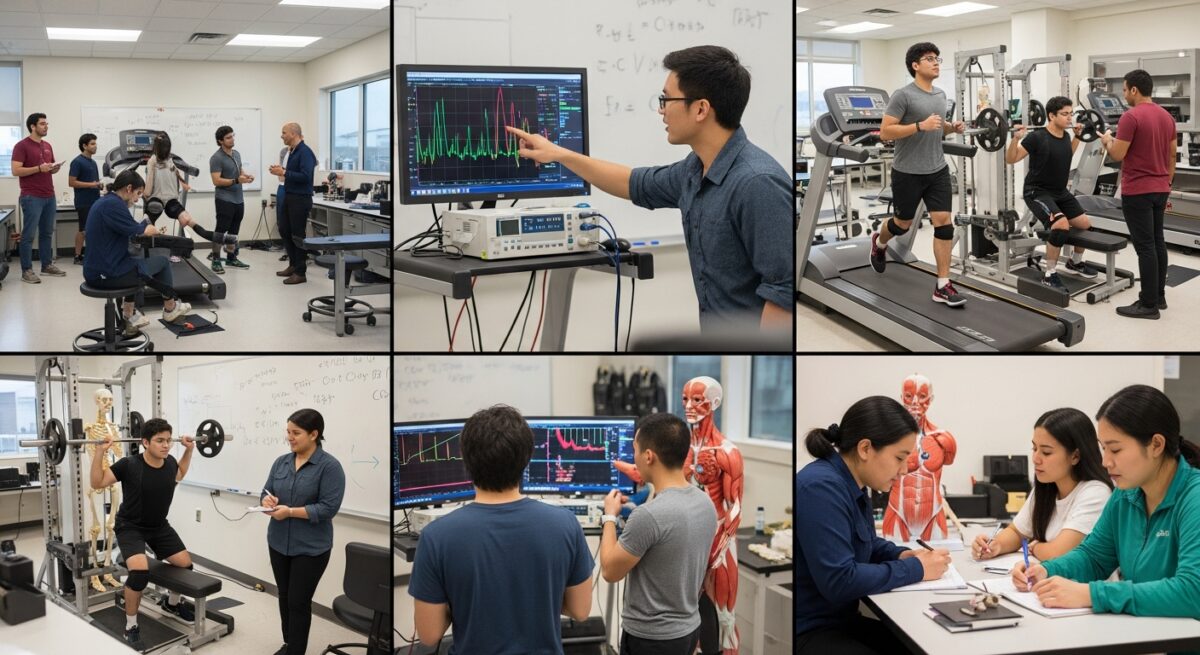
If you are passionate about human movement, physical fitness, and helping others achieve healthier lives, a degree in kinesiology and exercise science could be your ideal path. This field combines biology, anatomy, physiology, and psychology to understand how the body moves and performs. Graduates are prepared for careers in healthcare, sports performance, rehabilitation, and wellness coaching. In this kinesiology and exercise science degree overview, we will explore what these programs entail, the career opportunities they unlock, and how to choose the right educational path for your goals.
What Is a Kinesiology and Exercise Science Degree?
A kinesiology and exercise science degree is an interdisciplinary program that studies the mechanics and science of human movement. Kinesiology is the broader study of movement, while exercise science focuses specifically on the physiological responses to physical activity and exercise. Together, they provide a comprehensive foundation for understanding how the body adapts to training, how to prevent injury, and how to improve athletic performance.
Students in these programs take courses in anatomy, biomechanics, exercise physiology, motor learning, and nutrition. Many programs also include hands-on laboratory work and internships. This combination of theory and practice ensures that graduates are ready to work with diverse populations, from elite athletes to older adults seeking to maintain mobility.
Core Curriculum and Specializations
Most bachelor’s degree programs in kinesiology and exercise science require a strong foundation in the natural sciences. Typical core courses include:
- Human Anatomy and Physiology (with lab)
- Exercise Physiology
- Biomechanics of Human Movement
- Motor Learning and Control
- Sports Nutrition
- Psychology of Sport and Exercise
- Research Methods in Kinesiology
Many programs also allow students to choose a specialization or concentration. Common options include pre-physical therapy, strength and conditioning, sports medicine, or corporate wellness. These specializations help tailor the degree to specific career goals. For example, a student aiming for physical therapy school might take additional courses in therapeutic exercise and clinical assessment, while someone interested in coaching might focus on sport psychology and program design.
It is important to note that the kinesiology major is often considered a pre-professional degree. Many graduates go on to pursue graduate degrees in physical therapy, occupational therapy, or athletic training. Others enter the workforce directly in fitness, coaching, or wellness roles.
Career Paths for Graduates
An exercise science degree opens doors to a wide range of careers. The skills you gain are applicable in clinical, educational, and commercial settings. Here are some of the most common career paths:
- Exercise Physiologist: Works in hospitals or fitness centers to design exercise programs for patients with chronic diseases like diabetes or heart disease.
- Strength and Conditioning Coach: Works with athletes to improve performance and reduce injury risk, often in college or professional sports.
- Personal Trainer or Fitness Coach: Provides one-on-one or group training in gyms, studios, or private practice.
- Corporate Wellness Coordinator: Develops health and fitness programs for employees to improve productivity and reduce healthcare costs.
- Cardiac Rehabilitation Specialist: Helps patients recover from heart attacks or heart surgery through supervised exercise.
According to the U.S. Bureau of Labor Statistics, employment of exercise physiologists is projected to grow 9 percent from 2023 to 2033, faster than the average for all occupations. This growth is driven by an aging population and increased emphasis on preventive healthcare. For those considering a related field, our guide on Forensic Science Degree: Overview and Career Path Guide offers insight into another science-based career option.
Accreditation and Choosing the Right Program
When researching programs, accreditation is critical. Look for programs accredited by the Commission on Accreditation of Allied Health Education Programs (CAAHEP) or the Council on Accreditation of Strength and Conditioning Education (CASCE). Accreditation ensures that the curriculum meets industry standards and that credits will transfer if you pursue further education.
Other factors to consider include:
- Faculty credentials and research areas
- Availability of internships and clinical placements
- Graduate school placement rates
- Cost and financial aid options
Many students now choose online or hybrid programs for flexibility, especially working adults or those with family obligations. Accredited online programs are available at many universities and offer the same curriculum as on-campus options. For example, college and tuition resources can help you compare program costs and find affordable options that fit your budget.
Online vs. On-Campus Kinesiology Programs
The debate between online and on-campus education is especially relevant for kinesiology and exercise science because of the hands-on nature of the field. On-campus programs typically offer laboratories with equipment for measuring oxygen consumption, muscle strength, and body composition. They also provide direct access to faculty and peers for collaborative learning.
However, online programs have become increasingly sophisticated. Many offer virtual labs, interactive simulations, and partnerships with local fitness centers for practical experiences. For students who need to balance work or family, an online kinesiology and exercise science degree can be a viable option. The key is to ensure that any online program you consider includes a supervised internship or clinical component. This real-world experience is essential for building competence and meeting certification requirements.
Certifications and Licensure
While a bachelor’s degree qualifies you for many entry-level positions, professional certifications can enhance your credibility and earning potential. Common certifications include:
- Certified Exercise Physiologist (EP-C) through the American College of Sports Medicine (ACSM)
- Certified Strength and Conditioning Specialist (CSCS) through the National Strength and Conditioning Association (NSCA)
- Personal Trainer certification through ACE, NASM, or NSCA
Some careers, such as physical therapy or athletic training, require a graduate degree and state licensure. If you plan to pursue one of these paths, check the prerequisites for the specific graduate program you are interested in early in your undergraduate studies. Many schools offer pre-professional tracks that ensure you complete the necessary coursework.
Salary Expectations and Job Outlook
Salaries for kinesiology and exercise science graduates vary by role and location. According to the BLS, the median annual wage for exercise physiologists was $55,000 in 2023. Strength and conditioning coaches in collegiate or professional sports can earn between $40,000 and $80,000, depending on experience and the size of the institution. Personal trainers and fitness coaches often earn hourly wages, with experienced professionals earning $60,000 or more annually.
Geographic location also matters. States with large healthcare and sports industries, such as California, Texas, Florida, and New York, tend to offer higher salaries. However, cost of living should also be considered when evaluating job offers.
Frequently Asked Questions
What is the difference between kinesiology and exercise science?
Kinesiology is the broader study of human movement, encompassing anatomy, biomechanics, and motor control. Exercise science is a subfield that focuses specifically on the physiological responses to exercise and physical activity. Many programs combine both into a single degree.
Can I become a physical therapist with a kinesiology degree?
Yes, a kinesiology or exercise science degree is a common undergraduate path for students applying to Doctor of Physical Therapy (DPT) programs. Make sure to complete prerequisite courses such as advanced anatomy, physiology, and statistics.
Is an online kinesiology degree respected by employers?
Yes, as long as the program is accredited by a recognized agency. Employers value the skills and knowledge you gain, regardless of whether you studied online or on campus. Practical experience through internships is also important.
What are the hardest classes in a kinesiology major?
Many students find exercise physiology and biomechanics challenging because they require a strong understanding of biology and physics. However, most programs offer tutoring and study resources to help students succeed.
How long does it take to complete a kinesiology degree?
A bachelor’s degree typically takes four years of full-time study. Accelerated programs may allow completion in three years, while part-time study can take longer.
Final Thoughts
A kinesiology and exercise science degree is a versatile and rewarding choice for anyone interested in health, fitness, and helping others. Whether you aim to become a physical therapist, strength coach, or wellness professional, this degree provides the scientific foundation and practical skills you need. As you explore your options, consider factors like accreditation, specialization, and cost. With the right program and dedication, you can build a meaningful career that makes a real difference in people’s lives.