
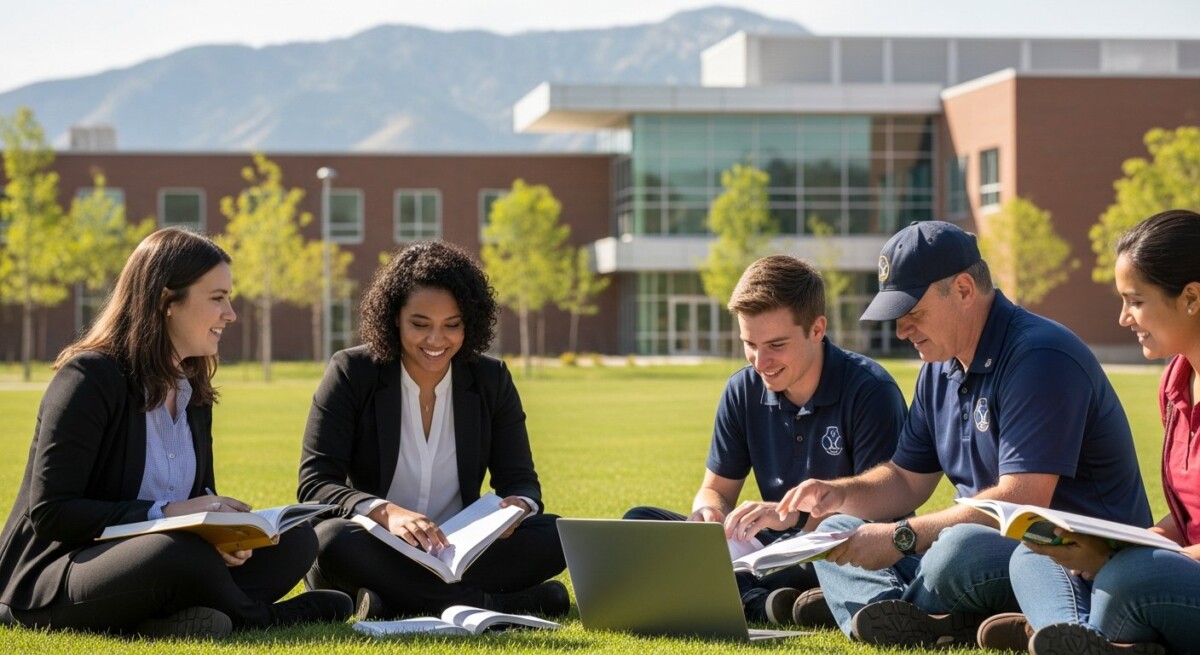
Choosing where to earn a bachelor’s degree is one of the most consequential decisions a student can make. For residents of the Gem State, the good news is that Idaho colleges offering undergraduate degrees combine academic rigor with affordability and strong career connections. Whether you are a high school senior mapping out your future, a working adult seeking a career change, or a military veteran looking to use your benefits, Idaho’s public universities, private colleges, and community colleges provide pathways to success that are both accessible and respected.
Idaho’s higher education landscape is more diverse than many realize. From the research-intensive environment of Boise State University to the liberal arts tradition of The College of Idaho, the state offers programs that prepare graduates for in-demand fields such as health care, engineering, computer science, and business. Moreover, many institutions have invested heavily in online and hybrid delivery models, making it possible for students who live in rural areas or who work full time to earn a degree without relocating. This article explores the top Idaho colleges offering undergraduate degrees, what each institution is known for, and how to choose the right fit for your goals and budget.
Why Idaho is a Strong Choice for Undergraduate Education
Idaho’s colleges and universities have earned a reputation for delivering high-quality education at a lower cost than many national averages. The state’s public four-year institutions maintain relatively modest tuition rates, especially for in-state residents, and they offer generous scholarship programs that can further reduce out-of-pocket expenses. Additionally, Idaho’s economy is growing, with sectors such as technology, health care, and advanced manufacturing creating steady demand for college graduates. This means that students who earn a degree from an Idaho institution often find strong job prospects within the state or in neighboring regions.
Another advantage is the sense of community found on Idaho campuses. Class sizes tend to be smaller than at massive out-of-state universities, allowing for closer relationships with professors and more personalized academic advising. For students who value hands-on learning, many Idaho programs incorporate internships, undergraduate research, and service-learning projects directly into the curriculum. These experiences not only deepen understanding but also build a professional network before graduation.
Major Idaho Colleges Offering Undergraduate Degrees
Boise State University
Boise State University is the largest institution in the state, enrolling more than 26,000 students. Located in Idaho’s capital city, Boise State is known for its strong programs in business, engineering, health sciences, and the arts. The university offers over 200 undergraduate degree programs, including popular majors in computer science, nursing, and mechanical engineering. Boise State is also a leader in innovation, with its nationally recognized cybersecurity program and partnerships with local tech companies. Students benefit from a vibrant campus life, Division I athletics, and access to internship opportunities in a growing metropolitan area.
University of Idaho
The University of Idaho, located in Moscow, is the state’s flagship research university. With a history dating back to 1889, UI offers more than 130 undergraduate degree programs across ten colleges and schools. It is particularly well-regarded for its programs in natural resources, agriculture, law, and education. The university’s location in the Palouse region provides a classic college-town atmosphere, and its research centers give undergraduates opportunities to work alongside faculty on projects ranging from renewable energy to wildlife conservation. UI also offers a robust online learning platform for students who need flexibility.
Idaho State University
Idaho State University, based in Pocatello, is a leading institution for health professions education. ISU’s undergraduate programs in nursing, dental hygiene, physical therapy, and pharmacy are among the best in the region. The university also offers strong degrees in business, engineering, and the sciences. ISU is committed to serving a diverse student body, including many first-generation college students and veterans. Its smaller class sizes and supportive faculty create an environment where students can thrive academically. The Pocatello campus is also home to a new health sciences building that features state-of-the-art simulation labs.
Lewis-Clark State College
Lewis-Clark State College in Lewiston is a public baccalaureate college that emphasizes career-ready education. LCSC offers more than 140 undergraduate degree and certificate programs, with particular strengths in nursing, education, business, and criminal justice. The college is known for its affordability and its commitment to helping students finish their degrees on time. LCSC also has a strong online division that serves adult learners across the state. For students who want a small-campus experience with direct access to professors, Lewis-Clark State College is an excellent option.
The College of Idaho
The College of Idaho is a private liberal arts college located in Caldwell. It is consistently ranked among the top regional colleges in the West. With a student-to-faculty ratio of 10:1, the college offers an intimate learning environment where students work closely with professors. The College of Idaho is known for its PEAK curriculum, which requires students to complete a major and three minors in different academic areas, ensuring a broad, well-rounded education. The college also offers strong pre-professional tracks in health care, law, and business, and its location in the Treasure Valley provides access to internships in Boise.
Brigham Young University-Idaho
Brigham Young University-Idaho in Rexburg is a private university affiliated with The Church of Jesus Christ of Latter-day Saints. BYU-Idaho offers over 150 undergraduate degree programs, with popular majors in business, education, engineering, and health professions. The university operates on a unique three-semester system that allows students to accelerate their studies. Tuition is among the lowest in the nation for a private university, and the campus culture emphasizes service, leadership, and spiritual growth. BYU-Idaho also has a robust online program that serves students worldwide.
Online and Flexible Degree Options
Not every student can attend classes on a traditional campus. For those balancing work, family, or other commitments, many Idaho colleges offering undergraduate degrees also provide fully online or hybrid programs. The University of Idaho, for example, offers online bachelor’s degrees in general studies, organizational sciences, and agricultural education. Boise State University has an extensive online catalog that includes degrees in communication, criminal justice, and health care administration. Lewis-Clark State College’s online division, known as LC Online, delivers programs in nursing, business, and education with the same faculty who teach on campus.
Online learning from Idaho institutions brings several advantages. Students pay in-state tuition rates regardless of where they live, which can result in significant savings compared to out-of-state online programs. Additionally, Idaho’s online courses are designed with the same learning outcomes as on-campus classes, and they often include interactive elements such as virtual labs, discussion forums, and live video sessions. For adults who previously earned some college credit but never finished a degree, these programs offer a clear path to completion.
How to Choose Among Idaho Colleges Offering Undergraduate Degrees
Selecting the right college requires careful evaluation of several factors. The following checklist can help you narrow down your options:
- Academic fit: Does the college offer your intended major or a closely related field? Look at the curriculum, faculty expertise, and any specialized labs or clinics.
- Cost and financial aid: Compare tuition, fees, room and board, and the availability of scholarships, grants, and work-study programs. Use each school’s net price calculator for an estimate.
- Location and campus culture: Consider whether you prefer an urban, suburban, or rural setting. Visit campuses if possible, or take virtual tours.
- Graduation and job placement rates: High graduation rates suggest strong student support. Good placement rates indicate that employers value the school’s graduates.
- Flexibility: If you need to work while studying, look for evening, weekend, or online options.
Once you have identified two or three promising schools, reach out to their admissions offices to ask about application deadlines, required documents, and any special programs for transfer students or adult learners. Many Idaho colleges also offer campus visit events where you can attend a class, meet professors, and talk with current students.
Paying for Your Undergraduate Degree in Idaho
Affordability is a major concern for most families. Fortunately, Idaho students have several avenues for financial support. The state’s public universities participate in federal financial aid programs, including Pell Grants and Direct Loans. Additionally, Idaho offers the Idaho Opportunity Scholarship, which provides need-based aid to residents attending eligible in-state institutions. Many colleges also have their own merit-based scholarships that reward high academic achievement.
For students who are exploring a range of academic pathways and want to compare programs from multiple institutions, resources like academic program insights can help clarify the options and costs associated with different degree tracks. Using such tools early in the planning process can prevent surprises and ensure that you choose a path that aligns with both your career goals and your budget.
Military veterans and active-duty service members should investigate the Post-9/11 GI Bill and Yellow Ribbon Program participation at Idaho schools. Boise State University and the University of Idaho, for example, are both Yellow Ribbon schools, meaning they can help cover tuition costs that exceed the GI Bill’s annual cap. Idaho also offers in-state tuition rates to veterans regardless of their state of residence.
Frequently Asked Questions
What is the largest college in Idaho?
Boise State University is the largest, with over 26,000 students enrolled across undergraduate and graduate programs.
Which Idaho college is best for online degrees?
Several institutions offer strong online programs. The University of Idaho, Boise State University, and Lewis-Clark State College all have extensive online bachelor’s degree offerings with in-state tuition for remote students.
Are there private colleges in Idaho that offer undergraduate degrees?
Yes. Notable private colleges include The College of Idaho in Caldwell and Brigham Young University-Idaho in Rexburg. Both offer a range of undergraduate majors and have strong reputations for academic quality.
Can I earn a bachelor’s degree at an Idaho community college?
Yes. Some Idaho community colleges, such as College of Western Idaho and North Idaho College, now offer select bachelor’s degree programs in high-demand fields like nursing, education, and applied technology, in addition to their associate degree offerings.
How do I apply for financial aid at Idaho colleges?
Start by completing the Free Application for Federal Student Aid (FAFSA). Then research state-specific scholarships like the Idaho Opportunity Scholarship and check each college’s financial aid website for institutional aid applications and deadlines.
Idaho’s higher education system offers something for every type of learner. Whether you are drawn to a large research university or a small liberal arts college, the state’s institutions are committed to helping students succeed. By focusing on your academic interests, financial needs, and preferred learning environment, you can find an Idaho college that sets you on a path to a rewarding career and a fulfilling life.