
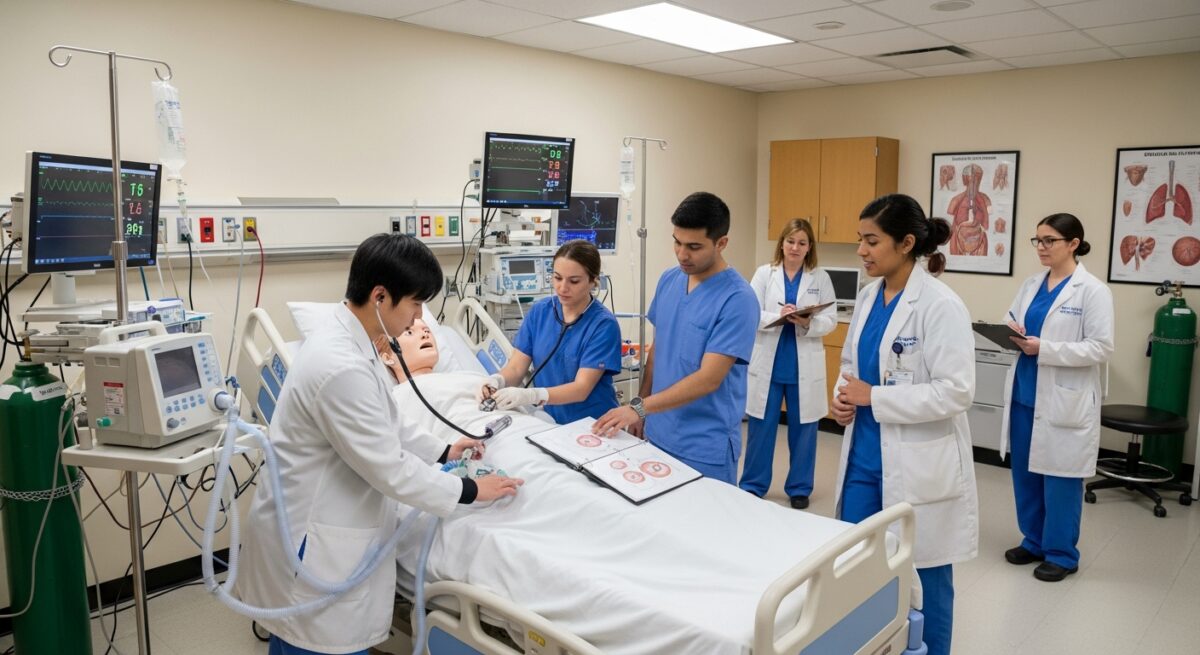
Becoming a respiratory therapist offers a direct path into a stable and rewarding healthcare career. These professionals work alongside physicians and nurses to treat patients with breathing disorders, from asthma to chronic obstructive pulmonary disease (COPD) and COVID-19 complications. The most common entry point into this field is earning an associate degree, which typically takes two years. Understanding the respiratory therapist associate degree requirements is the first critical step toward enrolling in a program that fits your life and goals. This guide breaks down exactly what you need to apply, succeed, and launch your career.
What Is a Respiratory Therapist Associate Degree?
A respiratory therapy associate degree is a two-year program offered at community colleges, technical schools, and some universities. It prepares graduates to take the national credentialing exams administered by the National Board for Respiratory Care (NBRC). Passing these exams earns the Registered Respiratory Therapist (RRT) credential, which is the gold standard for employment in most hospitals and clinics.
The curriculum blends classroom instruction with hands-on clinical rotations. You will study anatomy, pharmacology, patient assessment, and mechanical ventilation. Clinical hours take place in hospitals, where you practice under supervision. Most programs require between 70 and 80 credits for completion, and many are offered in hybrid formats that combine online lectures with in-person labs. If you are exploring other healthcare pathways, our Associate Degree Requirements: A Complete Student Guide provides a broader overview of what to expect across different fields.
General Admission Requirements for Respiratory Therapy Programs
Every accredited program sets its own admission criteria, but most share a common set of prerequisites. You typically need a high school diploma or GED. Programs also require completion of specific college-level prerequisite courses with a minimum grade of C or better. These courses often include human anatomy and physiology, general chemistry, college algebra, and introductory psychology.
Many schools require prerequisite coursework to have been completed within the last five to seven years. Older credits may not be accepted. Additionally, you will need to submit official transcripts from all previous institutions, provide letters of recommendation, and write a personal statement explaining your interest in respiratory therapy. Some programs also require a minimum overall GPA of 2.5 or higher on a 4.0 scale.
Standardized Testing and Interviews
Some competitive programs use the TEAS (Test of Essential Academic Skills) or the HESI A2 exam as part of the application process. These tests evaluate reading comprehension, math, science, and English language skills. A strong score can improve your chances of admission. You may also be invited for a panel interview with faculty members. This interview assesses your communication skills, professionalism, and motivation for entering the field.
Background checks and drug screenings are nearly universal requirements. Healthcare facilities mandate that students complete these checks before starting clinical rotations. A criminal record does not automatically disqualify you, but certain offenses may prevent you from obtaining state licensure or clinical placement. Check with your program and state licensing board early in the process.
Accreditation: A Non-Negotiable Requirement
Accreditation is the single most important factor when choosing a respiratory therapy program. The Commission on Accreditation for Respiratory Care (CoARC) is the recognized accrediting body for this field. Graduating from a CoARC-accredited program is mandatory to sit for the NBRC credentialing exams. Without these credentials, you cannot work as a licensed respiratory therapist in most states.
When researching programs, verify their accreditation status on the CoARC website. Be wary of programs that claim accreditation but are not listed. Some online-only programs may not meet CoARC standards due to the hands-on nature of clinical training. Always confirm that the program includes sufficient in-person lab and hospital-based clinical hours. Using a service like CollegeDegree.Education can help you find accredited programs that match your location and schedule preferences.
Prerequisite Coursework and Academic Preparation
Before you can start core respiratory therapy classes, you must complete several foundational science and math courses. These prerequisites ensure you have the background to understand complex physiological concepts. Typical prerequisites include:
- Human Anatomy and Physiology I and II (with labs)
- General Chemistry I (with lab)
- College Algebra or Statistics
- Introduction to Psychology
- English Composition
- Medical Terminology (often recommended)
These courses can be taken at any accredited college or university. Many students complete them at a community college before applying to a respiratory therapy program. If you have transfer credits from another institution, request an official evaluation from your target program early. Some programs accept Advanced Placement (AP) or College Level Examination Program (CLEP) credits for certain prerequisites, but policies vary. Plan to spend one or two semesters completing these courses before you even apply.
Clinical Requirements and Health Prerequisites
Once admitted to a respiratory therapy program, you must meet several health and safety requirements before starting clinical rotations. These typically include:
- Current CPR certification (BLS for Healthcare Providers from the American Heart Association)
- Proof of immunizations (MMR, varicella, hepatitis B, Tdap, and annual flu shot)
- TB skin test or chest X-ray
- Physical examination completed by a healthcare provider
- Professional liability insurance (often arranged through the school)
Many programs also require students to show proof of health insurance. Clinical sites may have additional requirements, such as a negative drug screen or a specific background check. These requirements exist to protect patients and comply with hospital policies. Failure to maintain these credentials can result in dismissal from the program. Keep a digital folder of all your documents so you can quickly provide them when requested.
Program Length and Typical Course Sequence
Most respiratory therapy associate degree programs are designed to be completed in two years of full-time study. Some programs offer part-time options that take three to four years. The first year usually focuses on foundational sciences and introductory respiratory care courses. The second year dives into advanced therapeutics, mechanical ventilation, neonatal and pediatric care, and pulmonary rehabilitation.
A sample course sequence might include:
- First Semester: Cardiopulmonary Anatomy and Physiology, Respiratory Care Fundamentals, Patient Assessment
- Second Semester: Pharmacology for Respiratory Care, Mechanical Ventilation Basics, Clinical Practicum I
- Third Semester: Advanced Cardiopulmonary Pathophysiology, Neonatal/Pediatric Respiratory Care, Clinical Practicum II
- Fourth Semester: Pulmonary Rehabilitation, Critical Care, Clinical Practicum III, NBRC Exam Preparation
Clinical rotations typically increase in hours as you progress. Expect to spend 20 to 30 hours per week in clinical settings during your final semesters. Programs often schedule rotations during day, evening, and weekend shifts to expose you to different hospital environments. Flexibility with your schedule is essential.
Financial Considerations and Program Costs
The cost of a respiratory therapy associate degree varies widely. In-state tuition at a public community college ranges from $5,000 to $15,000 total. Private or out-of-state programs can cost $30,000 or more. Additional expenses include textbooks, lab fees, uniforms, clinical equipment (stethoscope, pulse oximeter), and travel to clinical sites. Budget for these costs when planning your finances.
Financial aid is available through federal student aid (FAFSA), state grants, and institutional scholarships. Many hospitals offer tuition reimbursement programs for employees pursuing respiratory therapy degrees. Some employers also sponsor students in exchange for a work commitment after graduation. Explore these options early. CollegeDegree.Education provides tools to compare program costs and financial aid opportunities, helping you find an affordable path.
Licensure and Certification After Graduation
Graduating from an accredited associate degree program is only the first step. You must then pass the NBRC exams to become credentialed. The entry-level exam is the Certified Respiratory Therapist (CRT) exam. Most graduates go on to take the advanced RRT exam, which is required for most hospital positions. Each state also has its own licensing requirements, which typically include passing the NBRC exams and submitting an application with a fee.
Some states require continuing education credits to renew your license every two years. Others accept the NBRC’s continuing competency program. Check your state’s respiratory care board website for specific requirements. Maintaining your RRT credential also requires renewal every five years through the NBRC. The associate degree provides the foundation, but lifelong learning is part of the career.
For more information on accredited programs that align with your goals, explore the resources at DegreesOnline.Education to compare flexible options and get matched with schools that fit your needs.
Frequently Asked Questions
Can I complete a respiratory therapy associate degree entirely online?
No. While some didactic coursework can be taken online, all CoARC-accredited programs require in-person lab sessions and clinical rotations. Hybrid programs that combine online lectures with on-campus labs and hospital placements are common. Pure online programs do not meet accreditation standards.
How long does it take to become a respiratory therapist?
Most students complete the associate degree in two years. If you need to finish prerequisite courses first, add one to two semesters. After graduation, you must pass the NBRC exams, which can take a few weeks to a few months depending on your study schedule. Total time from start to licensure is typically two and a half to three years.
What is the difference between a CRT and an RRT credential?
The CRT (Certified Respiratory Therapist) is the entry-level credential. The RRT (Registered Respiratory Therapist) is an advanced credential that requires passing a separate simulation exam. Most employers prefer or require RRT certification. The RRT also leads to higher pay and more career advancement opportunities.
Are there any age restrictions for enrolling in a respiratory therapy program?
No. There is no maximum age limit. Many students enter the field as second careers in their 30s, 40s, or even 50s. Minimum age requirements are typically 18 due to clinical site policies, but some programs admit students at 17 with parental consent.
What if I have a criminal record?
A criminal record does not automatically bar you from becoming a respiratory therapist, but it can complicate licensure. Each state board reviews applications on a case-by-case basis. Some programs require a background check before admission. Contact the state licensing board and your program’s clinical coordinator to discuss your situation before applying.
Start Your Path Toward a Rewarding Career
Meeting the respiratory therapist associate degree requirements takes planning, dedication, and a clear understanding of what lies ahead. From completing prerequisite courses and passing background checks to earning your RRT credential, each step builds toward a career that makes a real difference in patients’ lives. The demand for respiratory therapists continues to grow, driven by an aging population and the ongoing need for pulmonary care. By choosing an accredited program and staying organized throughout the application process, you can enter a field that offers job security, competitive pay, and the satisfaction of helping others breathe easier. Use the tools and guides on CollegeDegree.Education to find programs that match your goals and take the first step today.