
How to Earn an Associate Degree in Nursing in North Carolina
Launch your nursing career in North Carolina with an affordable, two-year Associate Degree in Nursing. This guide details the path to RN licensure and high-demand jobs.

By Lucas Martin
For many aspiring healthcare professionals in the Tar Heel State, the most direct and efficient path to becoming a Registered Nurse (RN) is through an Associate Degree in Nursing (ADN). This practical, career-focused educational route provides the essential clinical skills and theoretical knowledge required to pass the NCLEX-RN licensure exam and enter the nursing workforce, often in as little as two years. With North Carolina facing both a growing population and an aging healthcare workforce, ADN graduates are in high demand across hospitals, clinics, long-term care facilities, and community health centers. This guide will walk you through everything from choosing an accredited program and understanding admission requirements to navigating the licensure process and launching your nursing career within the state.
Understanding the ADN Pathway in North Carolina
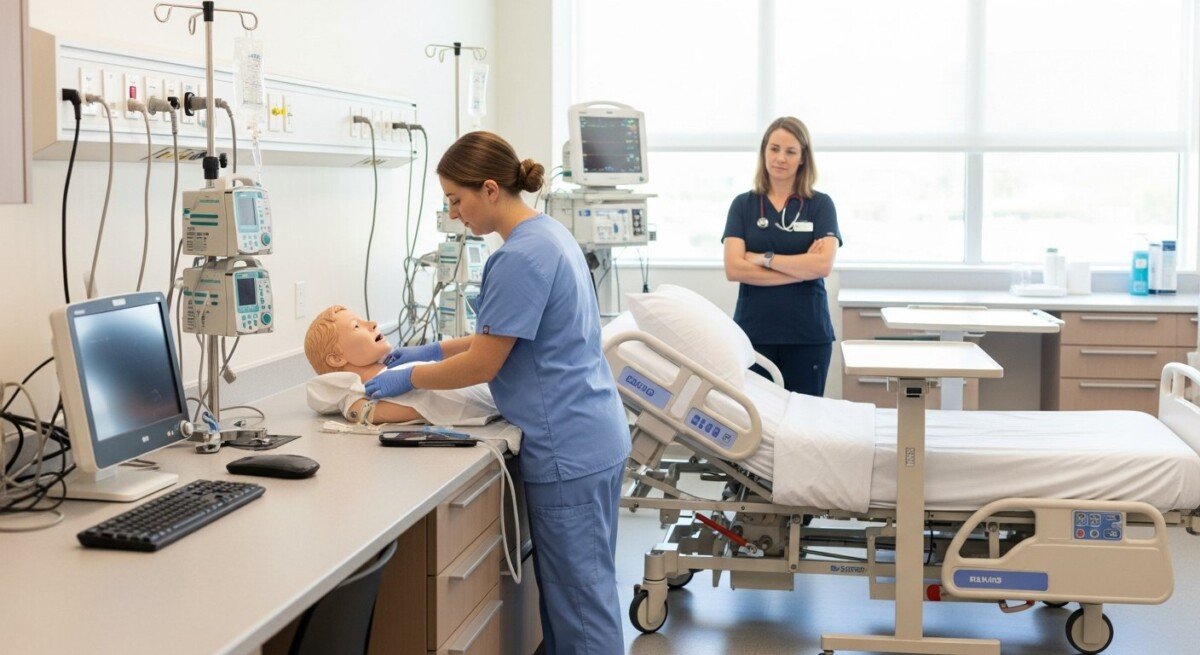
An Associate Degree in Nursing is a two-year program typically offered at community colleges and some technical institutions. It is designed to prepare students for the technical and practical aspects of bedside nursing. The curriculum blends general education courses, such as anatomy, physiology, and microbiology, with core nursing courses and extensive hands-on clinical rotations. The primary objective is to equip graduates with the competency to provide safe, effective patient care and to succeed on the National Council Licensure Examination for Registered Nurses (NCLEX-RN). In North Carolina, ADN programs must be approved by the North Carolina Board of Nursing (NCBON) to ensure they meet strict educational standards. Graduates of these programs are eligible to apply for licensure as a Registered Nurse in the state, a credential that opens doors to a wide array of clinical settings.
Choosing an ADN program can be a strategic financial and temporal decision. Compared to a four-year Bachelor of Science in Nursing (BSN), the ADN pathway is often more affordable and faster to complete, allowing students to enter the nursing field, gain experience, and earn a salary sooner. Many North Carolina hospitals offer tuition reimbursement or assistance for ADN-prepared RNs who wish to continue their education and complete an RN-to-BSN bridge program, which can often be done online while working. This “earn while you learn” model makes the ADN an attractive entry point into a lifelong nursing career. For comprehensive financial planning tools and scholarship comparisons for nursing programs, seeking college degree guidance can be an invaluable step in the research process.
Key Steps to Becoming an RN via an ADN in NC
The journey from prospective student to licensed RN involves several clear, sequential steps. Understanding this process from the outset will help you plan effectively and avoid unexpected delays.
- Research and Select an Accredited Program: Your first step is to identify NCBON-approved ADN programs. Accreditation, particularly by the Accreditation Commission for Education in Nursing (ACEN), is crucial as it affects your eligibility for federal financial aid, licensure, and future educational pursuits. Consider factors like program length, campus location (or online/hybrid options), NCLEX-RN pass rates, clinical rotation partnerships, and cost.
- Meet Admission Requirements: ADN programs in North Carolina are competitive. Common prerequisites include a high school diploma or GED, completion of specific college-level science and math courses (often with a minimum GPA), TEAS (Test of Essential Academic Skills) exam scores, and a clear criminal background check. Some programs may also require CPR certification and healthcare experience, such as a Certified Nursing Assistant (CNA) credential.
- Complete the ADN Curriculum: Once admitted, you will embark on a rigorous course of study. This includes classroom instruction in nursing fundamentals, pharmacology, adult health, maternal-child nursing, mental health, and leadership. Concurrently, you will complete supervised clinical hours in various healthcare environments, applying your classroom knowledge to real patient care scenarios.
- Graduate and Apply for Licensure: After successfully completing your degree, you must apply to the North Carolina Board of Nursing for licensure by examination. This involves submitting an application, official transcripts, and fingerprinting for a background check. The NCBON will determine your eligibility to take the NCLEX-RN.
- Pass the NCLEX-RN Exam: The final hurdle is passing the national licensing exam. The NCLEX-RN tests your knowledge and ability to make safe nursing judgments. Upon passing, the NCBON will issue your RN license, and you can begin practicing as a Registered Nurse in North Carolina.
It is important to note that each program and the NCBON may have specific, updated requirements. Always verify information directly with the institution and the Board’s official website. The process in other states shares similarities, as detailed in our guide on how to become an RN in Nevada with an ADN.
Top Considerations for Choosing an ADN Program
Not all ADN programs are created equal. To make an informed decision that aligns with your career goals and learning style, evaluate programs based on several key metrics.
- NCLEX-RN Pass Rates: This is one of the most critical indicators of a program’s effectiveness. The NCBON publishes annual pass rates for all nursing programs in the state. Consistently high pass rates suggest strong curriculum and preparation.
- Program Accreditation: Ensure the program holds approval from the North Carolina Board of Nursing and accreditation from a recognized agency like ACEN. This is non-negotiable for licensure and credit transfer.
- Clinical Placement Opportunities: High-quality clinical experiences are the cornerstone of nursing education. Investigate where students complete their rotations. Programs affiliated with major hospital systems or diverse clinical sites provide broader exposure.
- Program Format and Schedule: Many community colleges now offer hybrid or evening/weekend tracks to accommodate working students or those with family obligations. Determine what schedule fits your life.
- Cost and Financial Aid: Tuition at North Carolina community colleges is relatively affordable, but additional costs for fees, books, uniforms, and supplies add up. Explore financial aid options, state-specific grants like the NC Community College Grant, and scholarships from healthcare foundations.
Beyond the numbers, try to speak with current students or alumni, attend program information sessions, and if possible, tour the campus and skills labs. The right program will not only prepare you for the NCLEX but will also foster the critical thinking and clinical reasoning skills essential for a successful nursing career.
Career Outlook and Advancement for ADN Nurses in NC
The employment outlook for Registered Nurses in North Carolina is exceptionally strong. The U.S. Bureau of Labor Statistics projects steady growth for the profession, driven by an aging population, increased focus on preventive care, and high rates of chronic conditions. ADN-prepared RNs in North Carolina find employment in hospitals (particularly in medical-surgical, emergency, and critical care units), outpatient surgery centers, physicians’ offices, long-term care facilities, home healthcare services, and public health departments. Starting salaries are competitive and vary by region and setting, with metropolitan areas like Charlotte, Raleigh, and the Research Triangle typically offering higher wages.
While an ADN provides full RN licensure and practice capabilities, career advancement often involves further education. Many North Carolina healthcare employers, especially large hospital systems pursuing Magnet recognition, strongly encourage or require a BSN for leadership roles, specialty positions, or management tracks. Fortunately, the state’s educational ecosystem supports seamless progression. Numerous universities offer online RN-to-BSN programs designed for working nurses, often with generous transfer credit for your ADN coursework. Some employers have established partnerships with universities and offer substantial tuition reimbursement benefits, making the pursuit of a bachelor’s degree financially feasible. This creates a clear and supported pathway: start with an ADN to launch your career quickly, then leverage employer support to earn your BSN and unlock new opportunities.
Frequently Asked Questions
How long does it take to complete an ADN program in North Carolina?
Most traditional, full-time ADN programs at North Carolina community colleges are designed to be completed in two years (four semesters). However, part-time tracks or programs that require prerequisite courses beforehand may take longer.
Can I complete an ADN program online in NC?
While the nursing curriculum has significant hands-on clinical components that cannot be completed online, many programs offer hybrid formats. In these, theoretical coursework is delivered online, while labs and clinical rotations are conducted in person at approved facilities.
What is the cost of an ADN program in North Carolina?
Tuition is very affordable at NC community colleges. For in-state students, total program costs (including tuition, fees, books, and supplies) often range from $8,000 to $12,000. This is significantly less than the cost of a four-year BSN program at a public university.
Is there a waiting list for ADN programs in NC?
Due to high demand and limited faculty and clinical slots, many ADN programs in North Carolina have competitive admission and may use waiting lists. This underscores the importance of applying early, excelling in prerequisites, and having a strong overall application.
What is the difference between an ADN and a BSN in North Carolina?
Both degrees lead to RN licensure and allow you to practice as a Registered Nurse. The ADN is a two-year, technically-focused degree. The BSN is a four-year degree that includes more coursework in leadership, research, public health, and community nursing, which is increasingly valued for career advancement and specialized roles.
Pursuing an Associate Degree in Nursing in North Carolina represents a smart, strategic investment in a stable and rewarding future. By carefully selecting an accredited program, dedicating yourself to the rigorous curriculum, and successfully navigating the licensure process, you can join the vital front lines of healthcare in the state. The demand for skilled, compassionate nurses has never been greater, and the ADN pathway provides a proven, accessible route to meet that need and build a fulfilling profession dedicated to caring for others.