
How to Become a Radiation Therapist: Degree Programs and Career Path
Explore the steps to launch a stable, high-impact healthcare career. This guide details radiation therapist degree programs and the rewarding career path that follows.

By Alex Jordan
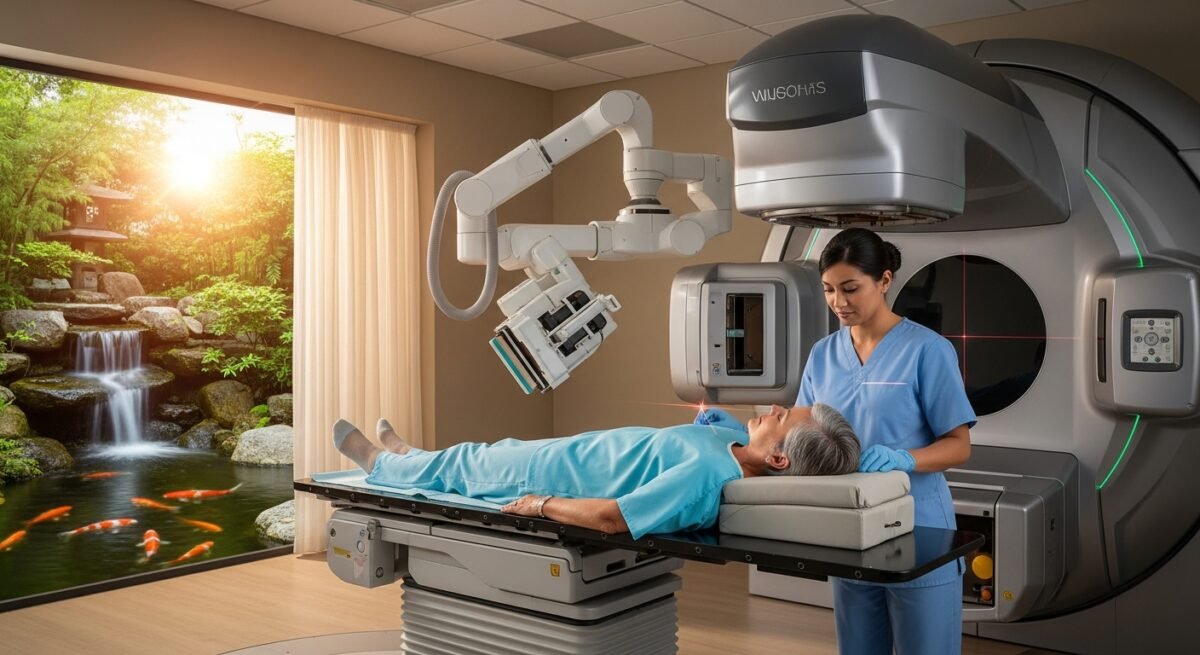
Imagine a career where advanced technology meets profound human compassion, where you play a direct role in treating cancer and improving patient outcomes. Radiation therapists occupy this critical niche in modern healthcare, operating sophisticated linear accelerators to deliver targeted radiation treatments under the direction of radiation oncologists. This specialized field offers not only strong job stability and competitive compensation but also the deep personal satisfaction of providing care during a pivotal time in a patient’s life. Navigating the educational pathway to become a radiation therapist requires understanding specific degree options, clinical training, and licensure, all of which lead to a rewarding and in-demand career path.
Understanding the Role of a Radiation Therapist
A radiation therapist is a key member of the oncology team. Their primary responsibility is to administer precisely measured doses of radiation to a patient’s tumor, following a treatment plan developed by the radiation oncologist and medical physicist. This involves far more than pushing buttons on a machine. Therapists are responsible for patient positioning, operating complex imaging equipment to verify treatment accuracy, monitoring the patient’s physical and emotional well-being throughout the process, and maintaining detailed records. They must possess a unique blend of technical aptitude, meticulous attention to detail, and exceptional interpersonal skills to build trust and provide reassurance to often anxious patients. The role is both physically and emotionally demanding, requiring therapists to be on their feet, often assisting patients onto treatment tables, while also offering a steady, empathetic presence.
The work environment is typically within a hospital’s radiation oncology department or a dedicated outpatient cancer center. Safety is paramount, as therapists must strictly adhere to protocols to protect themselves, the patient, and others from unnecessary radiation exposure. The field is continuously evolving with advancements in technology, such as intensity-modulated radiation therapy (IMRT), image-guided radiation therapy (IGRT), and stereotactic radiosurgery, requiring therapists to be committed to lifelong learning. This career is ideal for individuals who seek a hands-on, patient-facing role in healthcare that combines cutting-edge science with the art of caregiving.
Educational Pathways and Degree Programs
The foundational step to entering this profession is completing an educational program in radiation therapy. These programs are designed to provide the necessary didactic knowledge and extensive clinical hands-on experience. Prospective students have several academic avenues to consider, each with its own timeline and prerequisites. The most critical factor is ensuring the program is accredited by the Joint Review Committee on Education in Radiologic Technology (JRCERT), as this is a requirement for most state licensure and professional certification.
The most common and direct entry point is an Associate of Applied Science (A.A.S.) in Radiation Therapy. This is typically a two-year program offered at community colleges and technical schools. It provides a focused curriculum covering radiation physics, oncology, anatomy, patient care, and treatment planning, paired with extensive clinical rotations. For those who already hold an associate or bachelor’s degree in another field, a one-year certificate program may be an option, though these are less common. Increasingly, Bachelor of Science (B.S.) degrees in Radiation Therapy are becoming available, often through universities affiliated with medical centers. These four-year programs offer a broader general education foundation alongside the technical training and may provide advantages for those seeking leadership, research, or educational roles later in their career.
Regardless of the degree level, the curriculum is rigorous and science-heavy. Core coursework generally includes:
- Radiation Physics and Biology
- Principles of Radiation Oncology
- Human Anatomy and Physiology with emphasis on cross-sectional anatomy
- Radiation Protection and Safety
- Treatment Planning and Dosimetry
- Patient Care and Medical Ethics
- Pathology and Pharmacology related to cancer
Clinical education is the cornerstone of any program. Students spend hundreds of hours in affiliated healthcare settings, progressing from observation to performing treatments under direct supervision. This practical experience is indispensable for developing clinical competence and professional judgment. When researching programs, it’s wise to consider factors like program length, cost, clinical site partnerships, graduation rates, and first-time pass rates on the national certification exam. For comprehensive guidance on evaluating different academic pathways, including financial considerations, you can learn more about college degrees and how to plan for the associated costs.
Licensure, Certification, and Career Advancement
Upon successful completion of a JRCERT-accredited program, graduates are eligible to sit for the national certification examination administered by the American Registry of Radiologic Technologists (ARRT). Earning ARRT certification in Radiation Therapy is a standard industry credential that demonstrates competency and is required for employment in most states. Additionally, most states mandate their own licensure to practice. State licensure requirements often, but not always, hinge on holding ARRT certification. It is essential to check the specific requirements of the state where you intend to work.
Maintaining certification and licensure requires a commitment to continuing education. ARRT requires certified technologists to complete 24 continuing education credits every two years to renew their registration. This ensures therapists stay current with technological innovations, safety standards, and best practices in patient care. Career advancement for radiation therapists can take several forms. With experience, therapists may move into senior or lead therapist roles, taking on responsibilities for training new staff, quality assurance, or schedule coordination. Some specialize further in areas like dosimetry (treatment planning), brachytherapy, or managing specific technology platforms.
For those interested in moving beyond direct patient treatment, additional education can open doors. Pursuing a bachelor’s or master’s degree can lead to roles in management, such as chief therapist or department administrator. Others may transition into education, becoming clinical instructors or program directors for radiation therapy programs. Sales and applications specialist roles with medical equipment companies are another avenue, leveraging clinical expertise to support other healthcare facilities. The analytical and patient care skills developed in this field are also highly transferable. For instance, individuals interested in the psychological aspects of patient care might explore related health professions, as detailed in our guide on Psychology Degree Program Overview: Paths, Careers, and Curriculum.
Job Outlook and Salary Expectations
The career outlook for radiation therapists is strong. According to the U.S. Bureau of Labor Statistics, employment is projected to grow faster than the average for all occupations. This demand is driven by an aging population, which has a higher incidence of cancer, and by advances in radiation treatment techniques that make them a viable option for more types of cancer. While hospitals remain the largest employers, growth is also expected in outpatient centers, which offer a different pace and environment.
Salary potential is attractive and varies based on geographic location, years of experience, level of education, and the specific healthcare setting. Nationally, the median annual wage for radiation therapists is significantly higher than the median for all healthcare practitioners and technical occupations. Metropolitan areas and regions with higher costs of living typically offer higher compensation. Beyond base salary, many positions include benefits such as health insurance, retirement plans, paid time off, and tuition reimbursement for further education. The financial return on investment for a radiation therapy degree, particularly an associate degree, is often favorable given the earning potential relative to the time and cost of education.
Frequently Asked Questions
What is the difference between a radiation therapist and a radiologic technologist?
Radiologic technologists, often called X-ray techs, perform diagnostic imaging exams (like X-rays and CT scans) to help diagnose disease or injury. Radiation therapists are therapeutic professionals who use radiation specifically to treat diseases, primarily cancer, based on an already-established diagnosis and treatment plan.
Can I complete a radiation therapy degree online?
While didactic coursework for some programs may be offered online, the clinical training component cannot be completed remotely. All accredited programs require extensive, supervised hands-on clinical hours in a medical facility. Some programs offer hybrid models with online theory and in-person clinicals arranged in the student’s local area.
Is the job emotionally difficult?
It can be. Radiation therapists work closely with patients who are facing a serious illness. Building relationships with patients over a multi-week treatment course and witnessing their struggles requires resilience and strong emotional boundaries. However, many therapists find great meaning in supporting patients through this challenging journey.
What personal qualities make a good radiation therapist?
Key qualities include technical and mechanical aptitude, precision, strong communication and interpersonal skills, empathy, physical stamina, and the ability to remain calm and reassuring under pressure. Attention to detail is critical for patient safety and treatment accuracy.
How long does it take to become a certified radiation therapist?
The timeline varies by educational path. An associate degree program typically takes two years of full-time study. A bachelor’s degree takes four years. After graduation, you must pass the ARRT certification exam, a process that can take a few months to schedule and receive results.
Embarking on a radiation therapist degree program and career path is a commitment to a specialized and vital healthcare profession. It demands a dedicated educational investment and a specific skill set, but in return, it offers a stable, well-compensated, and deeply meaningful career on the front lines of cancer care. By carefully selecting an accredited program, successfully navigating certification, and committing to continuous learning, you can build a fulfilling professional life centered on technological expertise and human connection.