
Forensic Science Degree Career Guide: Paths and Prospects
This forensic science degree career guide details the educational requirements, specialized career paths, and essential steps for launching a successful profession in this rigorous field.

By Ethan Clark
You see the meticulous work on television, but the reality of a career in forensic science is far more complex and rewarding than any crime drama portrays. A forensic science degree opens doors to a world where scientific rigor meets the pursuit of justice, offering a unique blend of laboratory analysis, field investigation, and critical problem-solving. This comprehensive guide is designed to demystify the educational journey and illuminate the diverse career paths available to graduates. Whether you are drawn to DNA analysis, digital forensics, or crime scene reconstruction, understanding the scope of a forensic studies degree is the first critical step toward building a meaningful career at the intersection of science and law.
Understanding the Forensic Science Degree Landscape
A forensic science degree is an interdisciplinary program that integrates principles from biology, chemistry, physics, and criminal justice. The core objective is to equip students with the scientific knowledge and technical skills necessary to collect, analyze, and interpret physical evidence. Programs can vary significantly in focus. Some are heavily science-based, often housed within a university’s chemistry or biology department, and prepare students for laboratory analyst roles. Others may have a stronger criminal justice or criminology component, tailored more toward crime scene investigation (CSI) or forensic technician field work.
When exploring programs, you will encounter degrees at every level. An associate degree can provide foundational knowledge for entry-level technician roles. The bachelor’s degree is the most common and essential credential for most professional forensic scientist positions. It provides a comprehensive education in core sciences, specialized forensic courses, and often includes a capstone project or internship. For those seeking advancement, specialization, or roles in research and teaching, a master’s degree becomes crucial. Doctoral degrees are typically reserved for high-level research, academia, or directorship positions. Choosing the right level and focus requires honest self-assessment of your career goals and the specific requirements of your target job market.
Core Curriculum and Essential Skills Development
The coursework for a forensic science degree is deliberately rigorous, designed to build a robust scientific foundation. Expect to take advanced classes in general and organic chemistry, biology, genetics, physics, and statistics. These are not mere prerequisites; they are the essential tools of the trade. Upon this foundation, specialized forensic courses are built. Typical subjects include forensic biology (DNA analysis), forensic chemistry (toxicology, drug analysis), crime scene investigation, forensic microscopy, and legal ethics. Many programs also require coursework in criminal law and procedure, as forensic scientists must understand the chain of custody and how to present evidence in court.
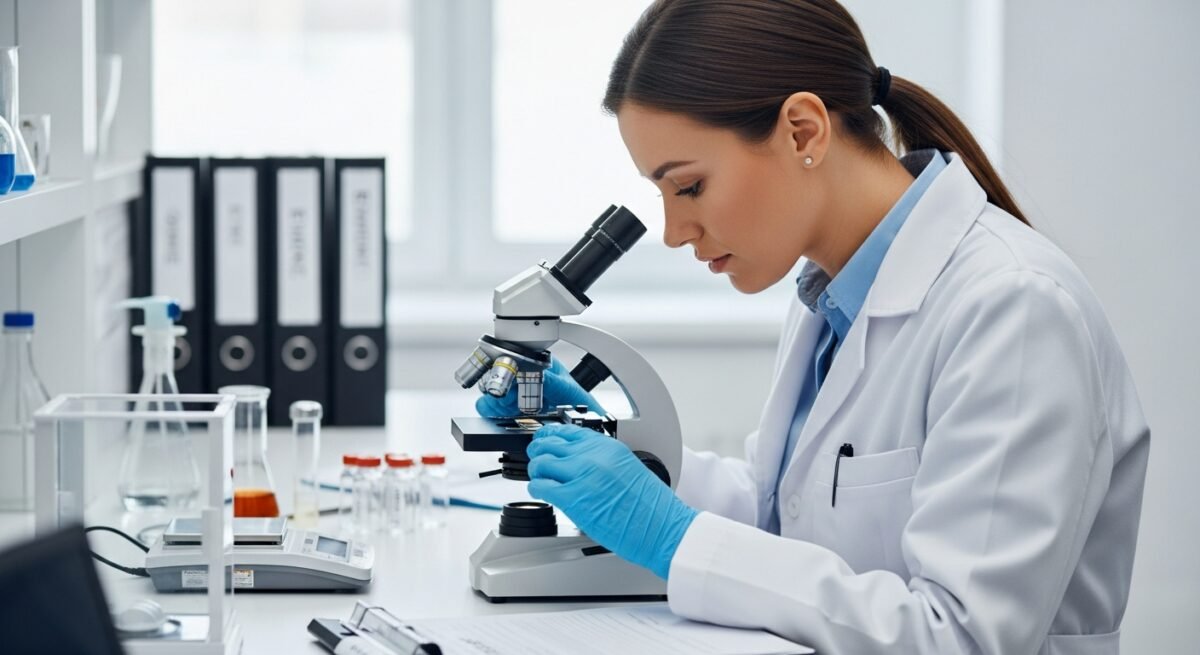
Beyond textbook knowledge, the development of practical skills is paramount. A quality program will emphasize hands-on learning in modern laboratory settings. Students learn proper evidence collection techniques, how to use analytical instruments like gas chromatograph-mass spectrometers (GC-MS), and methods for fingerprint development and analysis. Perhaps the most critical soft skill cultivated is meticulous attention to detail. A single procedural error can compromise evidence and an entire case. Furthermore, strong written and verbal communication skills are non-negotiable. Forensic scientists must produce clear, concise, and objective reports and be prepared to explain complex scientific findings to detectives, attorneys, judges, and juries who lack a scientific background. The ability to remain impartial and ethical under pressure is the cornerstone of professional credibility.
Primary Career Paths for Forensic Science Graduates
With a forensic science degree in hand, graduates can pursue a variety of specialized career tracks. The most direct path is employment in a government or public sector forensic laboratory. These labs, often operated at the city, county, state, or federal level (like the FBI Laboratory), are where the bulk of evidence analysis occurs. Positions here are typically highly specialized. A forensic biologist will focus on DNA extraction and profiling, while a forensic chemist analyzes controlled substances, fire debris, or trace evidence. A toxicologist examines bodily fluids for drugs and poisons. Each role requires deep expertise in its specific analytical domain.
Another major pathway is that of the crime scene investigator or evidence technician. These professionals are usually employed by law enforcement agencies and are responsible for responding to crime scenes. Their work is more field-oriented: documenting the scene through photography and sketching, collecting physical evidence (fibers, weapons, biological samples), and ensuring proper preservation for transport to the lab. Some individuals with a forensic studies degree also find rewarding careers in the legal field as paralegals specializing in scientific evidence or, after further education, as attorneys. The private sector offers growing opportunities, too, in digital forensics firms, private consulting laboratories, and companies that manufacture forensic equipment and supplies.
To understand the full spectrum of advanced scientific degrees that can complement a forensic career, such as specializing in a specific analytical field, our resource on what a Master of Science degree entails provides valuable context for further education.
Navigating the Job Market and Certification Process
The job market for forensic scientists is competitive. Positions in prestigious public labs are highly sought after, making relevant experience a key differentiator. This is why internships or practicum experiences integrated into your degree program are invaluable. They provide real-world exposure, help build a professional network, and significantly strengthen a resume. When applying for jobs, be prepared for a thorough background investigation, including polygraph tests for many law enforcement-affiliated roles. A clean record and demonstrable integrity are essential.
While not always mandatory for entry-level positions, professional certification is a powerful tool for career advancement and demonstrates a commitment to excellence. Several organizations offer certifications in various forensic disciplines. For example, the American Board of Criminalistics (ABC) offers certifications in comprehensive criminalistics and specific disciplines like molecular biology. The International Association for Identification (IAI) certifies crime scene investigators, fingerprint analysts, and forensic artists. The process typically involves meeting education and experience requirements and passing a rigorous examination. Maintaining certification usually requires continuing education, ensuring professionals stay current with evolving technologies and methodologies. Pursuing these credentials can open doors to higher-level positions, specialized casework, and increased credibility as an expert witness.
Key Steps for Launching Your Forensic Career
Building a successful career requires a strategic approach from the outset. Here is a sequential guide to follow.
- Research and Select an Accredited Program: Choose a bachelor’s program accredited by the Forensic Science Education Programs Accreditation Commission (FEPAC), if possible, as this signals high educational standards to employers.
- Excel in Core Science Courses: Your grades in chemistry, biology, and math are critical. They are a primary filter for both competitive internships and graduate programs.
- Secure a Relevant Internship: Actively seek internship opportunities at a crime lab, medical examiner’s office, or police department. This experience is arguably as important as your degree.
- Develop a Professional Network: Attend forensic science conferences, join professional associations like the American Academy of Forensic Sciences (AAFS), and connect with professors and internship supervisors.
- Consider Graduate Education or Certification: After gaining some work experience, assess whether a master’s degree or a professional certification is necessary to achieve your specific long-term career goals.
Frequently Asked Questions
Is a forensic science degree only for people who want to work at crime scenes?
No, this is a common misconception. While some graduates become crime scene investigators, many more work in laboratory settings, analyzing evidence that has been brought to them. The field is vast, encompassing digital forensics, forensic accounting, engineering, and psychology, far beyond the field work seen on TV.
What is the difference between a forensic science degree and a criminal justice degree?
A forensic science degree is a hard science degree with a focus on biology and chemistry as applied to evidence. A criminal justice degree focuses on the legal, sociological, and theoretical aspects of the crime and justice system. They are complementary but lead to different career tracks (e.g., lab analyst vs. police officer or probation officer).
How important is a master’s degree in forensic science?
For many entry-level analyst positions, a bachelor’s degree from a strong program is sufficient, especially when combined with a good internship. However, a master’s degree is increasingly becoming a differentiator in a competitive job market and is often required for advancement into supervisory roles, specialized disciplines, or research positions.
What personal qualities are essential for success in this field?
Beyond scientific aptitude, you must have unwavering integrity, extreme attention to detail, patience for methodical work, strong communication skills, and the emotional resilience to handle disturbing evidence or high-pressure court testimony. Objectivity is sacred; you work for the evidence, not for the prosecution or defense.
Are there opportunities in the private sector for forensic science graduates?
Yes. Private forensic consulting labs handle cases for defense attorneys, private investigators, and corporations. The digital forensics sector within cybersecurity is booming. Additionally, insurance companies, pharmaceutical firms, and environmental agencies hire forensic scientists for investigation and compliance roles.
Embarking on a career in forensic science is a commitment to a lifetime of learning and meticulous practice. It is a profession that demands both intellectual curiosity and a deep sense of ethical responsibility. The journey begins with a solid educational foundation from a reputable forensic science degree program, but it is forged through hands-on experience, continuous professional development, and a dedication to the principles of scientific truth. By carefully planning your academic pathway, seeking out practical experiences, and understanding the landscape of certifications and specializations, you can build a stable and profoundly impactful career. For broader college degree guidance on selecting and navigating higher education programs that align with specialized career goals like this, comprehensive resources are available to help you make informed decisions.