
Every year, communities across the country rely on trained firefighters to protect lives, property, and natural resources. Behind every skilled firefighter is a foundation of technical knowledge, physical readiness, and academic training. For those considering a career in firefighting or emergency services, a formal education can be the difference between entry-level eligibility and long-term advancement. Understanding what a fire science degree involves and how associate programs prepare students for the field is the first step toward a rewarding profession.
Fire science is a specialized field that combines emergency response tactics, fire prevention strategies, hazardous materials management, and leadership training. While some fire departments still accept candidates with only a high school diploma and rigorous physical training, the trend is shifting toward requiring or strongly preferring college-level education. A fire science associate’s degree provides the academic credentials and practical knowledge that hiring boards look for, and it also lays the groundwork for career growth into officer ranks, fire investigation, or safety management.
What Is a Fire Science Degree?
A fire science degree is an academic program that focuses on the scientific principles of fire behavior, suppression techniques, emergency medical services, and disaster management. Unlike general emergency management programs, fire science degrees are specifically designed for those who want to work in firefighting, fire prevention, or fire-related safety roles. The curriculum blends classroom theory with hands-on training to prepare students for the physical and intellectual demands of the job.
Students in these programs study topics such as fire chemistry, building construction for fire protection, firefighter safety and survival, and incident command systems. Many programs also include courses in public education and community risk reduction, reflecting the modern fire service’s emphasis on prevention. Graduates emerge with a comprehensive understanding of how fires start, spread, and can be controlled, as well as the communication skills needed to work in high-pressure team environments.
Fire Science Associate’s Degree: The Core Pathway
The fire science associate’s degree is the most common entry-level credential for aspiring firefighters. Typically requiring 60 to 70 credit hours and taking two years of full-time study to complete, this degree is offered at community colleges, technical schools, and some online institutions. It is designed to be affordable and accessible, making it an ideal choice for working adults, career changers, and recent high school graduates.
Associate programs in fire science are structured to meet the national standards set by organizations such as the National Fire Academy and the National Fire Protection Association (NFPA). Coursework generally falls into three categories: core fire science classes, general education requirements, and elective specializations. Core classes might include Fire Behavior and Combustion, Fire Prevention and Inspection, and Emergency Medical Technician (EMT) training. General education courses cover mathematics, English composition, and public speaking, all of which are essential for report writing and public interaction.
Key Skills Gained in an Associate Program
Beyond technical firefighting knowledge, an associate program develops critical thinking and decision-making skills. Students learn to assess complex emergency scenes quickly, communicate clearly with team members and the public, and apply safety protocols under stress. These programs also emphasize physical fitness and mental resilience, which are crucial for the demanding nature of firefighting work.
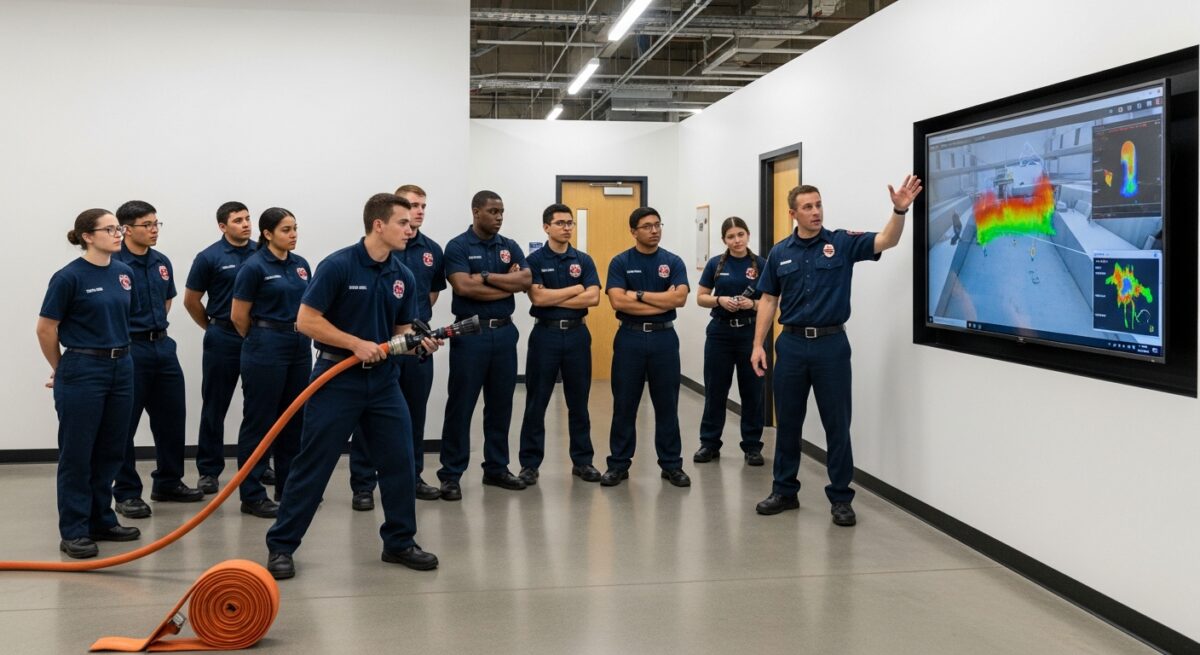
Many programs incorporate scenario-based training using fire simulators, burn buildings, and field exercises. This practical experience helps students build confidence and competence before they ever step into a real emergency. Graduates often find that their associate degree gives them a competitive edge in the hiring process, as it demonstrates commitment, discipline, and a solid foundation in fire science principles.
Career Opportunities With a Fire Science Degree
Holding a fire science degree opens doors to a variety of roles beyond municipal firefighting. While many graduates pursue positions as firefighters in city or county departments, others move into industrial fire protection, wildland firefighting, fire inspection, or fire investigation. The degree also serves as a stepping stone for those who want to become fire instructors, safety officers, or emergency management directors.
According to the U.S. Bureau of Labor Statistics, employment of firefighters is projected to grow at a steady pace, with competition for jobs remaining strong in many areas. Candidates with a fire science associate’s degree and EMT certification often have the best prospects. Additionally, many fire departments offer salary incentives or promotion preference for firefighters who hold higher education credentials. For those who want to advance to captain, battalion chief, or deputy chief, a fire science degree is frequently a requirement.
The degree also provides versatility. Fire science graduates can work for government agencies, private corporations, insurance companies, or consulting firms. Some professionals specialize in fire protection engineering, designing fire suppression systems for buildings. Others become arson investigators, working with law enforcement to determine the causes of suspicious fires. The foundational knowledge gained in an associate program supports all of these career paths.
Choosing the Right Fire Science Program
Selecting a fire science program requires careful consideration of several factors. Accreditation is the most important criterion. Programs accredited by agencies recognized by the U.S. Department of Education ensure that the curriculum meets industry standards and that credits are transferable to four-year institutions. Many community colleges offer programs that align with the Fire and Emergency Services Higher Education (FESHE) model, which is developed by the National Fire Academy.
Location, cost, and delivery format also matter. On-campus programs provide direct access to training facilities, equipment, and networking opportunities with local fire departments. Online programs offer flexibility for students who need to balance work, family, or existing firefighting duties. Some hybrid programs combine online lectures with weekend or summer intensive training sessions. Before enrolling, prospective students should research whether the program includes EMT certification, as this is often a prerequisite for firefighter hiring.
Here are three critical factors to evaluate when choosing a fire science degree program:
- Accreditation and transferability: Verify that the program is accredited and that credits can transfer to a bachelor’s degree program if you decide to continue your education later.
- Hands-on training opportunities: Look for programs that offer live fire training, simulation labs, and partnerships with local fire departments for ride-alongs or internships.
- Job placement support: Ask about career services, alumni networks, and the program’s track record for helping graduates find employment in fire services.
Taking the time to compare programs can save money and ensure that you receive training that is respected by hiring departments. Many schools also offer financial aid, scholarships, or tuition reimbursement programs for volunteer firefighters who are pursuing their degree.
Online Fire Science Degrees: Flexibility for Working Students
For those who cannot attend traditional classes due to work schedules or family commitments, online fire science degrees provide a viable alternative. Accredited online associate programs cover the same core curriculum as on-campus programs, using digital platforms for lectures, assignments, and discussions. Students still need to complete practical training components, which can often be arranged at local fire training centers or through their current fire department.
Online learning is particularly popular among current firefighters who want to earn a degree for promotion without interrupting their careers. It also appeals to rural residents who live far from community colleges offering fire science programs. The key is to ensure that the online program is regionally accredited and that its curriculum meets FESHE guidelines. In our guide on 5 Top Degrees I Can Get Online For Career Growth, we explain how to evaluate online programs for quality and transferability.
While online programs lack the in-person camaraderie of a firehouse classroom, they offer unmatched convenience. Students can study at their own pace, revisit recorded lectures, and participate in discussion boards with peers from across the country. Many online programs also offer reduced tuition rates for out-of-state students, making them more affordable than on-campus alternatives.
How a Fire Science Degree Prepares You for the Real World
The fire service is evolving rapidly. Modern firefighters are expected to be medical responders, hazardous materials technicians, public educators, and community liaisons. A fire science degree addresses this complexity by providing a broad education that goes beyond simply fighting fires. Courses in emergency medical services prepare students to handle cardiac arrests, trauma, and other medical emergencies, which account for the majority of fire department calls.
Leadership and management courses teach students how to supervise crews, manage budgets, and coordinate large-scale incident responses. Fire prevention classes cover building codes, fire inspection techniques, and public outreach strategies. This comprehensive training ensures that graduates are ready to serve their communities in multiple capacities from day one. For those seeking additional resources and program comparisons, collegedegrees.school offers detailed information on accredited fire science programs and career pathways.
The degree also instills a culture of safety. Firefighting is inherently dangerous, but education reduces risk. Students learn about the latest research in firefighter health and safety, including cancer prevention, stress management, and proper use of personal protective equipment. This knowledge helps firefighters stay healthy throughout their careers and avoid common occupational hazards.
Frequently Asked Questions
Is a fire science degree required to become a firefighter?
No, a fire science degree is not universally required, but it is increasingly preferred by fire departments. Many departments require at least a high school diploma and EMT certification. However, candidates with a fire science associate’s degree often have a significant advantage in competitive hiring processes and may qualify for higher starting pay.
How long does it take to complete a fire science associate’s degree?
Most full-time students complete an associate degree in two years. Part-time students may take three to four years depending on course load. Some accelerated programs offer completion in as little as 18 months, especially for students who already hold EMT certification or relevant military training.
Can I earn a fire science degree online?
Yes, many accredited colleges offer online fire science associate and bachelor’s degrees. Online programs are ideal for current firefighters, military personnel, or students who need flexible scheduling. Ensure the program includes a plan for completing required hands-on training components.
What is the difference between a fire science degree and a fire technology degree?
Fire science degrees focus on the theoretical and scientific principles of fire behavior, prevention, and suppression. Fire technology degrees are often more applied and technical, concentrating on equipment, apparatus operation, and hands-on skills. Both can lead to firefighting careers, but fire science programs typically offer broader academic foundations and better transferability to bachelor’s programs.
Will a fire science degree help me get promoted?
Yes. Many fire departments require or strongly prefer a degree for promotion to officer ranks such as lieutenant, captain, or battalion chief. A fire science degree demonstrates leadership potential, critical thinking skills, and a commitment to professional development.
Taking the Next Step Toward a Fire Science Career
A fire science degree is more than a credential; it is an investment in a career dedicated to public service and safety. Whether you are just starting your journey or looking to advance in the fire service, an associate program provides the knowledge, skills, and credibility needed to succeed. The blend of classroom instruction, practical training, and real-world application prepares graduates to handle the physical and emotional demands of firefighting while opening doors to specialized roles in investigation, prevention, and leadership.
As fire departments continue to raise their educational standards, holding a fire science degree positions you as a serious candidate ready to meet the challenges of modern emergency services. Research programs in your area, explore online options, and speak with admissions advisors to find the path that fits your goals. The fire service needs dedicated professionals, and a fire science associate’s degree is one of the most reliable ways to answer that call.