
Earn an Associate Degree in Nursing in Colorado
Launch your nursing career in Colorado with an Associate Degree in Nursing (ADN). This guide details the fastest path to RN licensure, top programs, and strong job prospects.

By Lucas Martin
For many aspiring nurses in the Centennial State, the most direct and efficient path to a rewarding healthcare career begins with an Associate Degree in Nursing (ADN). This foundational program provides the essential clinical skills and theoretical knowledge required to sit for the NCLEX-RN licensure exam and enter the workforce as a Registered Nurse (RN). Colorado, with its diverse healthcare landscape ranging from major urban hospitals in Denver to rural community clinics across the plains and mountains, offers a robust selection of ADN programs designed to meet this critical demand. Understanding the specifics of these programs, from admission requirements to career outcomes, is the first step toward launching your nursing career.
Understanding the ADN Pathway in Colorado
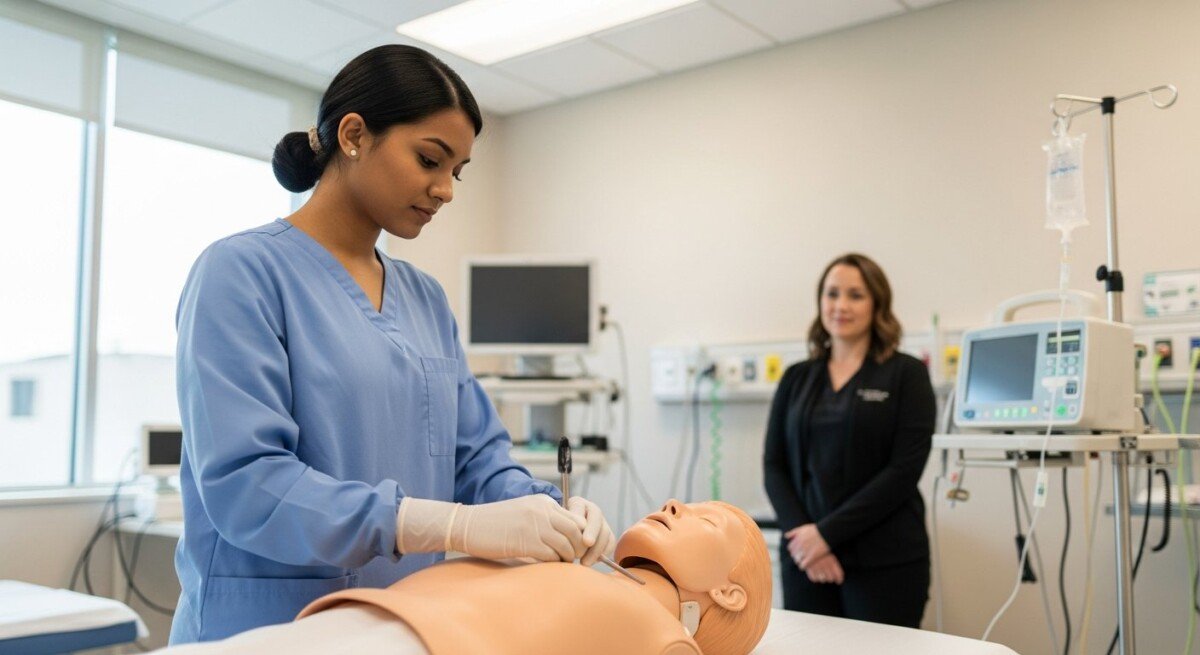
An Associate Degree in Nursing is typically a two-year program offered by community colleges, technical schools, and some four-year universities. It is specifically designed to prepare students for the technical and practical aspects of nursing care. In Colorado, these programs must be approved by the Colorado State Board of Nursing and are often accredited by the Accreditation Commission for Education in Nursing (ACEN) or the Commission on Collegiate Nursing Education (CCNE), which is crucial for licensure and future educational advancement. The curriculum blends classroom instruction in subjects like anatomy, physiology, microbiology, and nursing fundamentals with hands-on clinical rotations in real healthcare settings. This combination ensures graduates are ready to provide safe, competent patient care immediately upon passing the NCLEX-RN.
The appeal of the ADN route is multifaceted. It is generally more affordable and faster to complete than a four-year Bachelor of Science in Nursing (BSN), allowing students to enter the high-demand nursing field and start earning a salary sooner. For those concerned about the financial investment in education, exploring resources for college degree guidance can provide valuable strategies for managing tuition and finding scholarships. Furthermore, many Colorado hospitals actively hire ADN-prepared nurses and often offer tuition reimbursement benefits for those who wish to pursue an RN-to-BSN completion program while working, creating a seamless path for career and educational growth.
Key Components of Colorado ADN Programs
Prospective students must navigate several key components when selecting and applying for an ADN program in Colorado. A thorough understanding of these elements will set the stage for a successful application and educational journey.
First, admission is typically competitive. Programs have prerequisite courses that must be completed before applying, often including college-level math, English composition, chemistry, and human anatomy and physiology with lab components. These prerequisites demonstrate a student’s academic readiness. Many programs use a point-based or selective admission system that considers GPA (especially in science prerequisites), scores on entrance exams like the TEAS (Test of Essential Academic Skills), and sometimes healthcare experience or other relevant coursework.
Second, the clinical experience is the cornerstone of any ADN program. Colorado schools partner with a variety of clinical sites to give students broad exposure. You might complete rotations in medical-surgical units, pediatrics, obstetrics, mental health facilities, and community health clinics. This diversity is crucial, as it not only builds a wide skill set but also helps students identify areas of nursing they are passionate about. The process of securing clinical placements and meeting licensure requirements shares similarities across states, though specifics vary. For a comparative look, our guide on becoming an RN in Nevada outlines a similar pathway in a different regulatory environment.
Finally, students must understand the post-graduation steps. Upon successful completion of the ADN program, graduates receive their degree but are not yet licensed to practice. They must then apply to the Colorado State Board of Nursing for authorization to take the National Council Licensure Examination for Registered Nurses (NCLEX-RN). Passing this standardized exam is the final requirement to become a licensed RN in Colorado.
Choosing the Right Colorado Program for You
Colorado boasts numerous institutions offering ADN programs, each with its own strengths. Your choice should align with your personal circumstances, career goals, and learning style. Key factors to consider include program accreditation, format, cost, and support services.
Accreditation is non-negotiable. Ensure the program is approved by the Colorado State Board of Nursing and holds national accreditation from ACEN or CCNE. This affects your eligibility for licensure, federal financial aid, and credit transfer should you pursue a BSN later. Program format is another critical decision. While many ADN programs are offered on-campus with set schedules, an increasing number of Colorado schools offer hybrid or accelerated formats. Hybrid programs may deliver theory coursework online while requiring in-person labs and clinicals, offering flexibility for working adults or those with family obligations.
To effectively compare your options, consider the following checklist:
- Accreditation Status: Confirm ACEN or CCNE accreditation and Colorado Board of Nursing approval.
- NCLEX-RN Pass Rates: Review the program’s historical first-time pass rates, which indicate the quality of preparation.
- Program Completion Rates: High completion rates can suggest strong student support systems.
- Clinical Partnerships: Investigate the types of healthcare facilities used for clinical rotations.
- Cost and Financial Aid: Compare total tuition and fees, and inquire about program-specific scholarships or partnerships with hospitals for tuition assistance.
- Student Support Services: Look for resources like tutoring, NCLEX prep, academic advising, and career placement assistance.
Following your research, visiting campuses (or attending virtual information sessions), and speaking with admissions counselors and, if possible, current students or alumni can provide invaluable insights that go beyond brochures and websites.
Career Outlook and Advancement for ADN Nurses in Colorado
The career outlook for Registered Nurses in Colorado is exceptionally strong. The state consistently experiences healthcare workforce demands that outpace the national average, driven by population growth, an aging demographic, and the expansion of healthcare services. ADN-prepared RNs find employment in hospitals, long-term care facilities, outpatient surgery centers, physicians’ offices, and home health agencies. Entry-level positions often focus on direct patient care, care coordination, and patient education, providing a solid foundation for clinical expertise.
While an ADN qualifies you for RN licensure and employment, the landscape of nursing is increasingly emphasizing the BSN degree. Many larger hospital systems, especially in metropolitan areas like Denver, Colorado Springs, and Fort Collins, express a strong preference for BSN-prepared nurses and may require new hires to earn their BSN within a specified timeframe. This “BSN preference” is a major driver behind the popularity of RN-to-BSN completion programs. Fortunately, Colorado has excellent articulation agreements between community college ADN programs and public universities, making the transition smooth. These online or part-time RN-to-BSN programs are designed for working nurses and can often be completed in 12-18 months, with many employers offering tuition reimbursement as a benefit.
Beyond the BSN, the ADN serves as a springboard to advanced practice roles, though further education is required. With additional graduate degrees, nurses can become Nurse Practitioners, Nurse Anesthetists, Nurse Midwives, or Clinical Nurse Specialists. The ADN is the first, crucial step on this long and rewarding career ladder, providing the hands-on patient care experience that informs all future advanced practice.
Frequently Asked Questions
How long does it take to complete an ADN program in Colorado?
Most traditional ADN programs are designed to be completed in two years of full-time study. However, time to completion can extend if a student needs to complete prerequisites part-time or opts for a part-time program track.
Can I complete an ADN program entirely online in Colorado?
No, you cannot complete an ADN program entirely online. Nursing education requires hands-on clinical practice and skills lab components that must be completed in person. However, many programs offer hybrid formats where theoretical coursework is delivered online, while labs and clinical rotations are conducted on-site at approved facilities.
What is the average salary for an ADN-prepared RN in Colorado?
Salaries vary by location, experience, and healthcare setting. According to state labor data, the median annual wage for Registered Nurses in Colorado is competitive and often above the national median. ADN and BSN nurses typically start at similar salaries within the same institution, though the BSN may offer faster advancement or a slight starting differential in some hospitals.
Are there specific ADN programs in Colorado for licensed practical nurses (LPNs)?
Yes. Many Colorado community colleges offer LPN-to-ADN bridge programs. These programs recognize your existing LPN education and experience, allowing you to complete the ADN in a shorter timeframe, often 12-18 months.
What are the main differences between an ADN and a BSN program?
Both prepare you to take the NCLEX-RN and become a licensed RN. The ADN is a two-year, technically-focused degree emphasizing clinical skills and direct patient care. The BSN is a four-year degree that includes the same core nursing education but adds more coursework in research, public health, leadership, management, and the humanities, preparing nurses for a broader scope of practice and leadership roles.
Earning an Associate Degree in Nursing in Colorado is a strategic and proven entry point into a stable, fulfilling, and in-demand profession. By carefully selecting an accredited program, engaging fully in the clinical experience, and planning for ongoing education, you can build a lasting career that makes a tangible difference in the health and lives of Coloradans. The journey requires dedication, but the destination, a role as a trusted healthcare professional, offers immense personal and professional rewards.