
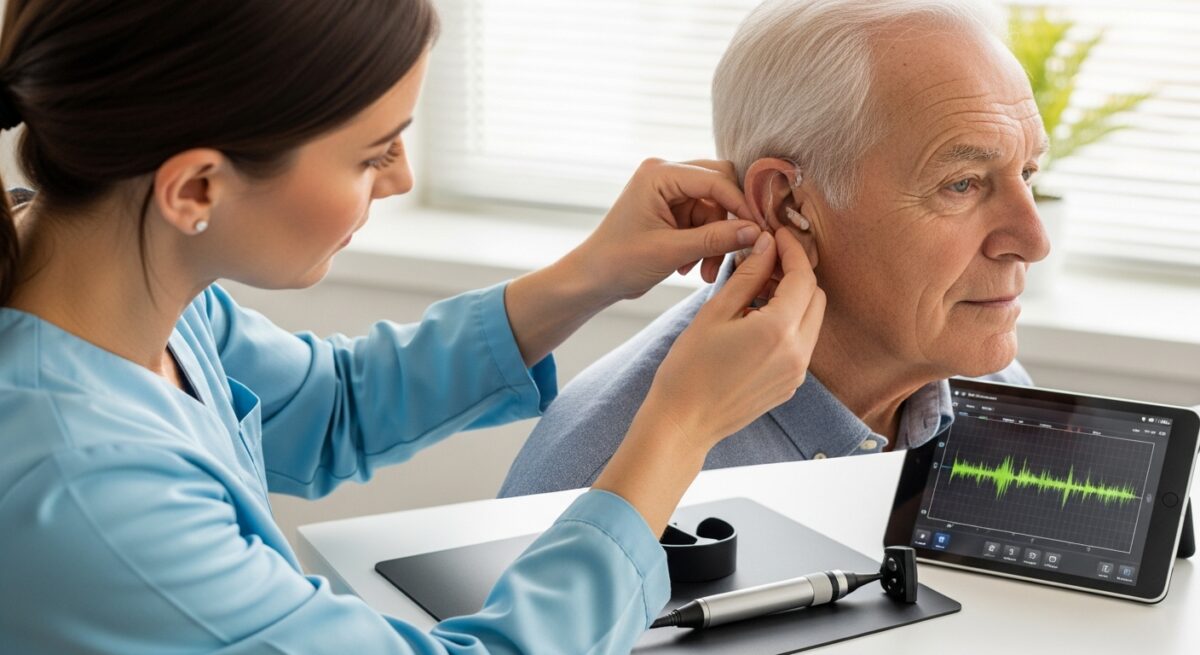
If you are drawn to the rewarding intersection of healthcare, technology, and patient communication, you may be considering a path as an audiologist. This field offers the chance to transform lives by helping people of all ages manage hearing and balance disorders. The journey begins with earning a Doctor of Audiology (AuD) degree. But what exactly does this program entail, and what career opportunities await after graduation? This article provides a comprehensive look at the Doctor of Audiology degree, what to expect from the coursework and clinical training, and the diverse career paths available to graduates.
Understanding the Doctor of Audiology (AuD) Degree
The Doctor of Audiology, commonly abbreviated as AuD, is a professional doctoral degree specifically designed to prepare students for clinical practice as audiologists. Unlike a PhD in audiology, which focuses heavily on research, the AuD emphasizes the clinical skills needed to diagnose, treat, and manage hearing and balance disorders. This distinction is crucial for anyone deciding between a clinical career and a research-focused path. The AuD has become the standard entry-level degree for practicing audiologists in the United States, replacing the earlier master’s degree requirement. Programs typically require four years of full-time study following a bachelor’s degree, though some accelerated or combined programs exist.
What to Expect in an AuD Program: Curriculum and Clinical Training
An AuD program is rigorous and comprehensive, blending classroom instruction with extensive hands-on clinical experience. The curriculum is structured to build a deep understanding of the auditory and vestibular systems, as well as the skills to manage patients effectively. Students can expect to study topics ranging from anatomy and physiology to the latest in hearing aid technology.
Core Academic Subjects: The first two years of a typical audiology degree program focus on foundational sciences. These include anatomy and physiology of the auditory and vestibular systems, acoustics and psychoacoustics, and the mechanisms of hearing loss. Students also delve into diagnostic procedures, electrophysiology, and pharmacology as it relates to hearing and balance. A significant portion of the curriculum is dedicated to hearing aids, cochlear implants, and other assistive listening devices, covering both the technology and the fitting process.
Clinical Rotations and Externships: Clinical training begins early, often in the first year, with supervised observations. As students progress, they take on more responsibility, performing diagnostic evaluations and developing treatment plans. The final year typically includes a full-time, paid externship at a clinical site such as a hospital, private practice, or ENT clinic. This experience is invaluable, allowing students to apply their knowledge in a real-world setting under the guidance of experienced audiologists. By graduation, students must complete a minimum number of clinical hours, typically around 1,800 to 2,000, to be eligible for licensure.
Admission Requirements and Prerequisites
Gaining admission to a Doctor of Audiology program is competitive. Most programs require applicants to hold a bachelor’s degree from an accredited institution. While a specific undergraduate major is not always mandated, certain prerequisite courses are almost always required. These commonly include:
- Introductory psychology or sociology
- Statistics or research methods
- Physics (especially acoustics)
- Biological sciences (anatomy and physiology preferred)
- Speech and hearing sciences (if available)
- Mathematics (algebra or pre-calculus)
In addition to coursework, applicants typically need to submit Graduate Record Examination (GRE) scores, letters of recommendation, a personal statement, and documentation of any relevant volunteer or work experience. Some programs also require an interview. Given the clinical nature of the field, demonstrated communication skills and a genuine interest in patient care are highly valued. For those exploring different educational paths, our guide on Top Careers After a Nursing Degree: Beyond the Bedside offers insight into other healthcare professions that share a similar commitment to patient well-being.
Licensure and Certification After Graduation
Earning your AuD is a major milestone, but it is not the final step. To practice as an audiologist, you must obtain a license in the state where you intend to work. Licensure requirements vary by state but generally include graduating from an accredited AuD program, passing a national examination, and completing a specified number of clinical hours. The most common national exam is the Praxis exam in Audiology, administered by the Educational Testing Service (ETS). After passing the exam, you can apply for state licensure.
Many audiologists also pursue voluntary certification to demonstrate advanced competence. The American Board of Audiology (ABA) offers the Certificate of Clinical Competence in Audiology (CCC-A), which is highly respected in the field. Maintaining certification often requires ongoing continuing education to stay current with technological and clinical advances. This commitment to lifelong learning is a hallmark of the profession.
Career Paths for AuD Graduates
The career outlook for audiologists is strong, driven by an aging population and increased awareness of hearing health. Graduates of a hearing specialist program have a variety of employment settings to choose from, each offering a different pace and focus. Here are some of the most common career paths:
Clinical Audiologist in Hospitals and ENT Clinics
Many AuD graduates work in hospital settings or ear, nose, and throat (ENT) clinics. In these environments, audiologists collaborate closely with physicians to diagnose and manage patients with hearing loss, tinnitus, and balance disorders. They perform comprehensive diagnostic evaluations, fit hearing aids, and provide counseling to patients and their families. This setting offers exposure to a wide range of cases, from pediatric hearing loss to age-related decline and complex vestibular issues.
Private Practice Ownership or Employment
Another popular career path is working in or owning a private audiology practice. Private practice audiologists often enjoy greater autonomy in patient care and business decisions. They typically focus on hearing aid fittings, follow-up care, and patient education. Running a practice also requires business acumen, including skills in marketing, billing, and staff management. For those with an entrepreneurial spirit, this can be a highly rewarding option.
Pediatric Audiology
Audiologists who specialize in pediatrics work with infants, children, and adolescents. This subspecialty requires additional training in early intervention techniques, behavioral testing methods for young children, and family-centered care. Pediatric audiologists often work in children’s hospitals, school districts, or specialized clinics. They play a critical role in identifying hearing loss early, which is essential for speech and language development.
Industrial and Occupational Audiology
Some audiologists work in industrial settings, focusing on hearing conservation programs. They conduct noise assessments, fit hearing protection devices, and educate workers about the risks of noise-induced hearing loss. This career path involves a blend of clinical skills and public health knowledge. It is ideal for those interested in prevention and workplace safety.
Research and Academia
While the AuD is primarily a clinical degree, some graduates pursue careers in research or teaching. These roles often require a PhD in addition to an AuD, but the clinical background is invaluable. Audiologists in academia train the next generation of professionals and conduct research that advances the field. They may work at universities, research hospitals, or hearing aid manufacturing companies.
Salary Expectations and Job Outlook
According to the U.S. Bureau of Labor Statistics, the median annual wage for audiologists was around $82,000 as of recent data. Salaries can vary based on geographic location, years of experience, and work setting. Those in outpatient care centers and hospitals tend to earn higher wages. The job outlook for audiologists is projected to grow 11 percent from 2022 to 2032, much faster than the average for all occupations. This growth is largely due to the aging baby-boomer population, who are more likely to experience hearing loss. Additionally, increased awareness of the importance of hearing health for overall well-being is driving demand for services.
Frequently Asked Questions
How long does it take to earn a Doctor of Audiology degree? Most AuD programs require four years of full-time study after a bachelor’s degree. Some programs offer accelerated tracks or combined bachelor’s-to-AuD programs that may take less time.
Can I earn an AuD degree online? While some foundational courses may be offered online, the extensive clinical requirement makes a fully online AuD program rare. Most programs require on-campus attendance for labs and clinical placements. However, some hybrid programs exist that combine online coursework with in-person clinical training.
What is the difference between an audiologist and a hearing aid specialist? An audiologist holds a doctoral degree and is trained to diagnose and treat all types of hearing and balance disorders. A hearing aid specialist, also known as a hearing instrument specialist, typically has a high school diploma or an associate degree and is licensed only to fit and dispense hearing aids. Audiologists have a much broader scope of practice.
Is the AuD degree worth the investment? For those committed to a career in clinical audiology, the AuD is essential. The strong job growth, competitive salary, and the ability to make a tangible difference in patients’ lives make it a worthwhile investment. Many students finance their education through scholarships, grants, and graduate assistantships offered by their programs.
Do I need a bachelor’s degree in communication sciences to apply? Not necessarily. While a background in communication sciences and disorders can be helpful, many programs accept students from diverse undergraduate majors as long as they complete the prerequisite coursework.
For those considering this path, exploring accredited programs through a trusted educational matching service can simplify the search. CollegeDegree.Education connects prospective students with accredited institutions offering audiology and other healthcare programs, helping you find the right fit for your goals and budget.
The Doctor of Audiology degree opens the door to a fulfilling career dedicated to improving communication and quality of life. The path requires dedication, but the reward of helping someone hear the voices of their loved ones for the first time or regain balance after a dizzying spell is immeasurable. Whether you choose to work in a hospital, open your own practice, or specialize in pediatrics, the AuD provides the foundation for a dynamic and impactful profession.