
Digital Arts Bachelor's Degree at Central Michigan
A Digital Arts Bachelor's degree, usually 4 years In-person at Central Michigan University, builds portfolio-ready skills for careers in animation, game design, and interactive media.
By Scott Thompson
A Digital Arts Bachelor's degree, usually 4 years In-person at Central Michigan University, blends studio art, design thinking, and digital technology into one hands-on program. If you are drawn to animation, game design, interactive media, or digital illustration, this degree can turn creative talent into a professional skill set. Central Michigan University (CMU) offers a residential pathway where students work in dedicated labs, build portfolios, and graduate ready for studios, agencies, and tech companies. This guide explains what the program covers, how to get in, what it costs, and where the degree can take you.
What the Digital Arts Program at CMU Covers
Central Michigan University's digital arts curriculum sits at the intersection of traditional art fundamentals and modern production tools. Students take foundation courses in drawing, color theory, and composition before advancing into digital painting, 3D modeling, animation, and interactive design. The program is built for students who want to create, not just critique, and it emphasizes finished work that can go straight into a portfolio.
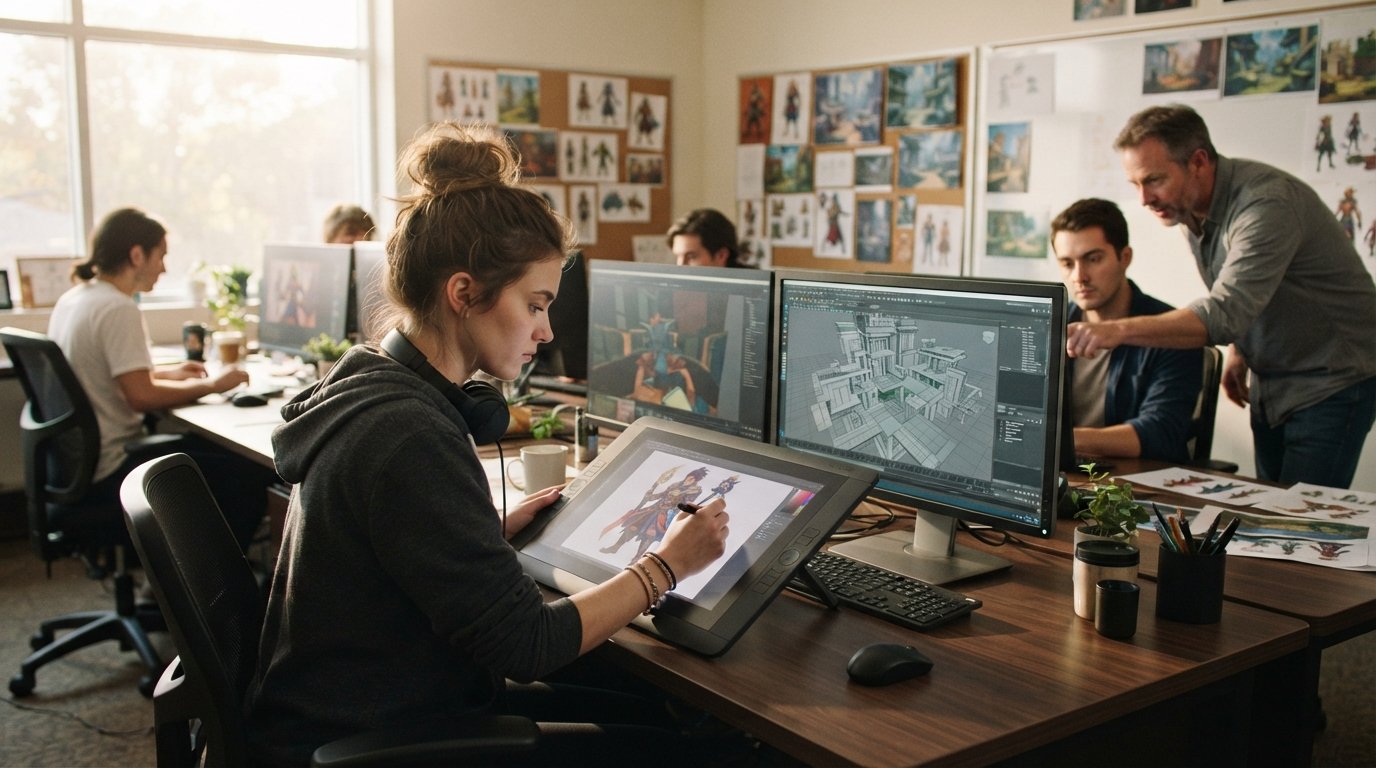
Because the degree is delivered in person, students gain access to equipment and feedback loops that are hard to replicate online. Studio courses meet in computer labs with industry-standard software, and faculty who have worked in animation, game development, and graphic design guide projects from concept to final render. Small class sizes mean you get regular critique, which is essential for improving quickly in a visual field.
Core topic areas typically include:
- Digital illustration and concept art
- 2D and 3D animation
- Game design and interactive media
- Motion graphics and visual effects
- Web and interface design
- Portfolio development and professional practice
Students also complete general education requirements, which build writing, communication, and critical thinking skills that employers value. The result is a well-rounded graduate who can pitch ideas, take feedback, and deliver polished work on deadline.
Why Choose an In-Person Digital Arts Degree
Online programs offer flexibility, but a Digital Arts Bachelor's degree, usually 4 years In-person at Central Michigan University, provides something different: daily access to studios, peers, and instructors. Creative fields thrive on collaboration. In a physical studio, you see how classmates solve problems, you trade techniques in real time, and you build a network that can lead to jobs after graduation.
In-person study also gives you structured deadlines and dedicated space to work. For students who struggle to stay motivated in a virtual environment, the campus rhythm, classes, lab hours, exhibitions, and group projects, keeps momentum going. CMU's location in Mount Pleasant, Michigan, also puts students within reach of Detroit, Grand Rapids, and Chicago creative markets for internships and networking.
Another advantage is equipment. Digital arts students work with high-performance computers, drawing tablets, motion capture tools, and rendering software that can be expensive to buy on your own. On campus, that technology is part of your tuition. You learn on the same tools professionals use, which shortens the transition from classroom to workplace.
Finally, in-person programs often include exhibitions, portfolio reviews, and guest speakers from industry. These events put your work in front of people who hire, and they give you practice explaining your creative choices, a skill that matters in every interview.
Admission Requirements and Application Steps
Admission to CMU's digital arts program generally follows the university's undergraduate admissions process, with a portfolio component for students entering the major. Requirements can vary, so always confirm details with the department before applying. In most cases, you will need a high school diploma or equivalent, a completed application, official transcripts, and sometimes ACT or SAT scores, though many schools now waive test requirements.
A portfolio is often requested for art and design majors. It does not need to be perfect, but it should show range and willingness to experiment. Sketchbook pages, digital pieces, photography, and even short animations can work. Faculty want to see how you think and how you handle feedback.
A typical application sequence looks like this:
- Complete the university application and pay the fee.
- Submit official high school transcripts and test scores if required.
- Prepare and upload a portfolio of 8 to 12 pieces.
- Apply for financial aid using the FAFSA.
- Attend an admitted student event or portfolio review if invited.
- Confirm enrollment and register for first-semester classes.
If you are transferring from a community college, check which credits will apply toward the digital arts major. Many students save money by completing general education courses before transferring, then finishing studio work at CMU. Advisors can map out a plan so you do not lose time or duplicate coursework.
For students comparing options, it helps to understand how different engineering and technology degrees are structured. Our guide on what a civil engineering bachelor's degree involves explains the mix of math, design, and lab work that defines technical programs, which can help you decide whether a creative or technical path fits you best.
Cost, Financial Aid, and Time to Completion
A Digital Arts Bachelor's degree, usually 4 years In-person at Central Michigan University, follows the standard undergraduate timeline. Most students take 15 credits per semester and finish in four years. If you attend part time, transfer credits, or change majors, it can take longer. Summer courses can speed things up, but they may cost extra.
Costs include tuition, fees, housing, meals, supplies, and technology. Digital arts students should budget for a reliable laptop, drawing tablet, and software subscriptions, though campus labs reduce the need for top-tier equipment at home. CMU and external organizations offer scholarships for art and design students, and the FAFSA opens access to grants, work-study, and federal loans.
To keep costs manageable, consider these strategies:
- Complete general education courses at a community college first.
- Apply for departmental scholarships and art competitions.
- Work as a lab monitor or teaching assistant in studio courses.
- Take on freelance projects to build income and portfolio pieces.
- Use campus equipment instead of buying your own.
Financial aid offices can help you compare packages. Do not assume the sticker price is the final price. Many students pay less after grants and scholarships. If you are exploring online options as a backup or for general education courses, resources like DegreesOnline.Education can help you compare accredited programs and understand aid options before you commit.
Careers and Salary Outlook for Digital Arts Graduates
Digital arts graduates work in a growing range of fields. Animation, game design, advertising, web development, film, and user experience design all need people who can create compelling visuals and interactive content. The U.S. Bureau of Labor Statistics projects steady demand for multimedia artists and animators, with growth driven by streaming, gaming, and digital advertising.
Job titles for graduates include animator, concept artist, game designer, motion graphics designer, UX designer, and digital illustrator. Salaries vary by industry, location, and skill level. Entry-level roles may start modestly, but experienced artists and designers can earn strong salaries, especially in tech hubs or with specialized skills like 3D rendering or virtual reality.
Your portfolio matters more than your GPA in most creative hiring decisions. Internships, freelance work, and personal projects show employers what you can do. CMU's program encourages students to build a professional portfolio before graduation, and career services can help with resumes, demo reels, and interview practice.
Some graduates go on to graduate school in animation, game design, or fine arts. Others move directly into agencies, studios, or startups. The degree also prepares you for roles in education, marketing, and media production, where visual communication skills are increasingly valuable.
Is CMU's Digital Arts Program Right for You?
Choosing a college is a personal decision. A Digital Arts Bachelor's degree, usually 4 years In-person at Central Michigan University, suits students who want structure, studio access, and face-to-face mentorship. If you thrive in a collaborative environment and want to graduate with a strong portfolio, this program is worth a close look.
Visit campus if you can. Talk to current students, sit in on a class, and review the facilities. Ask about internship placements, alumni outcomes, and portfolio review schedules. The more you know, the better your decision will be.
Wherever you apply, start early, keep your portfolio updated, and use every resource available. A creative career takes work, but the right program can give you the skills, network, and confidence to succeed.