
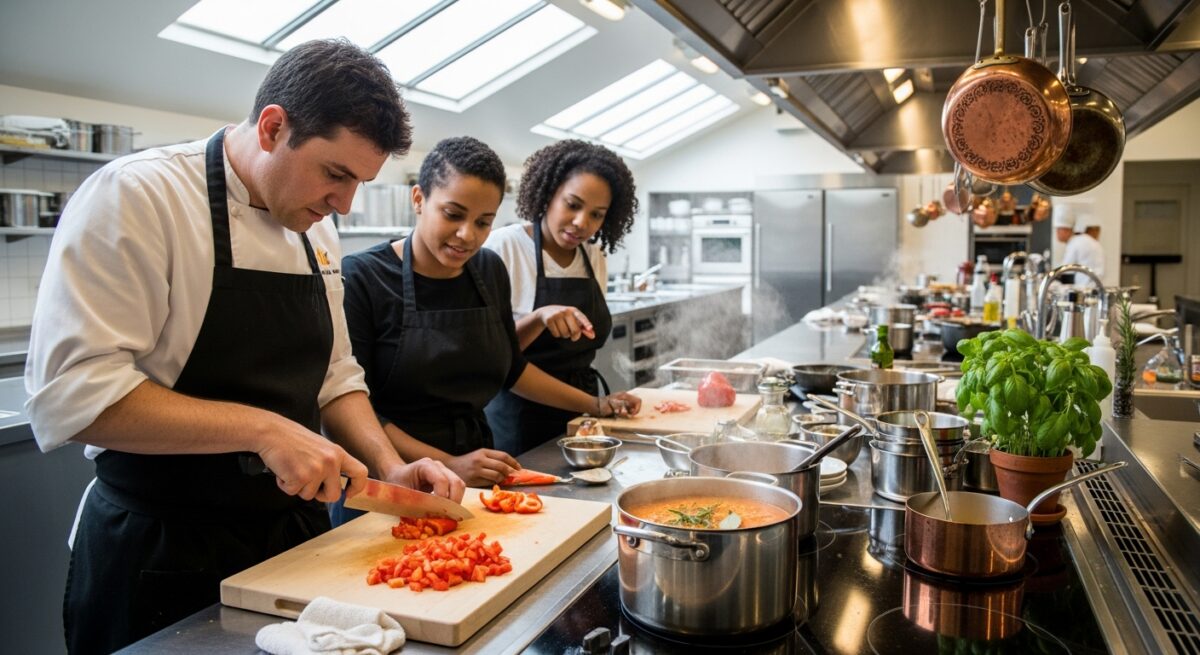
The sizzle of a hot pan, the precise dice of an onion, the alchemy of turning simple ingredients into a memorable meal. For many, this is not just a hobby but a calling. If you have ever felt the pull of the professional kitchen, understanding culinary arts courses what to study and career options is the first step toward turning that passion into a livelihood. The culinary world is vast, extending far beyond the stereotype of a busy restaurant kitchen. It encompasses food science, management, entrepreneurship, and global exploration. With the right training and a clear vision of your goals, a career in the culinary arts can be incredibly rewarding, both creatively and financially. This guide will help you navigate the landscape of culinary education, from selecting the right program to mapping out your professional journey.
Understanding the Core of Culinary Arts Education
Before diving into specific courses, it is essential to understand what a culinary arts program truly offers. These programs are designed to build a strong foundation of technical skills while also fostering creativity and an understanding of food theory. A comprehensive culinary degree program does not just teach you how to follow a recipe; it teaches you why ingredients behave the way they do and how to innovate. Most accredited programs blend hands-on kitchen time with classroom instruction in subjects like food safety, nutrition, and cost control. This dual approach ensures that graduates are not only skilled cooks but also knowledgeable professionals prepared for the business side of the industry.
When evaluating chef training courses, you will typically find a curriculum that progresses from fundamental techniques to advanced applications. The best programs are those that offer a balance of classical methods and modern trends. For example, a student might spend their first semester mastering basic knife cuts and stocks, then move on to global cuisines and pastry arts in later terms. This structured progression builds confidence and competence, ensuring that each new skill is built upon a solid base. Additionally, many programs now incorporate modules on sustainability, farm-to-table practices, and dietary restrictions, reflecting the changing demands of the modern diner.
Key Subjects in a Standard Curriculum
While programs vary by institution, most culinary arts courses share a common core of subjects that are considered essential for any aspiring professional. These subjects are designed to provide a holistic education, covering everything from the technical to the theoretical. Below are some of the foundational areas you can expect to study.
- Culinary Fundamentals and Knife Skills: This is the bedrock of all cooking. You will learn proper knife grips, cuts (julienne, brunoise, chiffonade), and the science behind various cooking methods like roasting, braising, and sautéing.
- Food Safety and Sanitation: A non-negotiable part of any kitchen. You will study HACCP principles, cross-contamination prevention, and proper food storage to ensure the safety of your guests.
- Nutrition and Menu Planning: Understanding dietary needs and how to create balanced menus is crucial. This includes learning about macronutrients, special diets, and how to design menus that are both profitable and appealing.
- Baking and Pastry Arts: Even savory chefs benefit from understanding doughs, custards, and the science of leavening. This module covers breads, cakes, pastries, and plated desserts.
- Global Cuisines: This course explores the flavors, techniques, and cultural contexts of cuisines from around the world, from French and Italian to Thai and Mexican.
Beyond these core subjects, many programs offer electives that allow students to specialize. These might include advanced courses in butchery, charcuterie, wine and beverage pairing, or food styling and photography. The goal is to provide a well-rounded education that prepares graduates for the diverse challenges of the culinary industry. By covering both the creative and practical aspects of the profession, these programs ensure that students are ready to step into a professional kitchen with confidence.
Navigating Your Career Options After Graduation
One of the most exciting aspects of a culinary education is the sheer variety of career paths it opens up. While many people assume that culinary school leads directly to a job as a restaurant chef, the reality is far more diverse. Graduates of culinary degree programs find work in a range of settings, from hotel kitchens and cruise ships to food media and corporate research and development. The skills you acquire are transferable, allowing you to pivot between roles as your interests evolve. The key is to match your education with a specific career goal, whether that involves working the line in a Michelin-starred restaurant or managing a catering business.
The traditional career ladder in a restaurant kitchen typically starts with a line cook or station chef position. From there, you can advance to sous chef, then to head chef or executive chef. However, this is just one path. Many culinary professionals choose to specialize in areas like pastry, where they can become a pastry chef or chocolatier. Others move into food service management, overseeing the operations of a hotel, hospital, or school cafeteria. The skills learned in chef training courses in cost control and inventory management are directly applicable to these management roles. For those with an entrepreneurial spirit, opening a food truck, café, or private catering company is a common and rewarding goal.
Emerging and Alternative Culinary Careers
The food industry is constantly evolving, creating new and exciting roles that did not exist a decade ago. The rise of food media has created demand for food writers, recipe developers, and culinary producers for television and online platforms. Similarly, the health and wellness trend has led to opportunities in corporate wellness programs, where chefs design healthy meal plans for employees. Another growing field is culinary education itself, with experienced chefs becoming instructors at culinary schools or leading community cooking classes. For those interested in sustainability, roles in urban farming, food waste reduction, and sustainable sourcing are becoming more prominent.
Furthermore, the corporate food world offers lucrative careers in research and development (R&D). In this role, chefs work for food manufacturers to create new products, from frozen dinners to snack foods. This career often combines culinary creativity with food science, making it ideal for those who enjoy the technical side of cooking. Another unique path is that of a private chef, working for families, celebrities, or high-net-worth individuals. This role offers a high degree of autonomy and the chance to build close relationships with clients. Regardless of which path you choose, a solid foundation from a reputable program is your ticket to a successful and fulfilling career.
How to Choose the Right Program for You
With so many options available, selecting the right culinary arts program can feel overwhelming. The decision should be based on your career goals, budget, and preferred learning style. Some students thrive in a traditional, hands-on culinary school environment, while others prefer the flexibility of online or hybrid programs. The first step is to consider what type of education aligns with your long-term vision. Do you want a formal degree, or would a shorter certificate program suffice? Do you want to specialize in a specific area like pastry or plant-based cooking? Answering these questions will help narrow your search.
Accreditation is a critical factor when evaluating schools. Attending an accredited program ensures that the education meets industry standards and that your credits are more likely to be transferable if you decide to continue your education later. Additionally, look for programs with strong externship or internship components. Real-world experience is invaluable, and many job offers come directly from externships. It is also wise to research the school’s job placement rates and alumni network. A school with strong industry connections can significantly ease your transition from student to professional. For those considering online education, it is important to understand how the program provides hands-on training, as cooking is a tactile skill that requires practice. Some online programs offer virtual labs or require students to complete practical assignments at home.
For a broader perspective on how different types of education fit into your overall career plan, you might find it helpful to explore resources that compare various academic pathways. For instance, learning about different degree options and career services can provide valuable context as you evaluate culinary programs alongside other educational opportunities. This comparative approach can help ensure that you are making an informed decision that balances your passion for cooking with practical considerations like cost and job market demand.
Frequently Asked Questions
How long does it take to complete a culinary arts program?
Program length varies widely. A certificate or diploma program can take 6 to 12 months. An associate degree typically takes two years, while a bachelor’s degree takes four years. Part-time options are also available at many schools.
Do I need to go to culinary school to become a chef?
No, it is not strictly required, but it is highly recommended. Culinary school provides a structured education, industry connections, and a credential that can help you advance faster. Many successful chefs have risen through the ranks without formal training, but a degree often opens more doors.
What is the average salary for a culinary arts graduate?
Salaries vary significantly by role and location. Entry-level line cooks may earn between $25,000 and $35,000 annually. Executive chefs at high-end restaurants can earn over $80,000. Specialized roles like pastry chefs or food R&D professionals often command higher salaries.
Can I study culinary arts online?
Yes, many accredited schools offer online or hybrid culinary programs. These programs often combine online theory courses with on-campus or local kitchen labs. Fully online programs require you to have access to a home kitchen for practical assignments.
What are the most in-demand skills for culinary professionals?
Beyond cooking skills, employers value creativity, time management, teamwork, and adaptability. Knowledge of dietary restrictions, food safety, and cost management is also highly sought after. Strong communication skills are essential for leading a kitchen team.
Building Your Future in the Culinary World
Embarking on a career in the culinary arts is a journey of continuous learning and passion. The industry is demanding, requiring long hours, physical stamina, and a commitment to excellence. However, for those who love food and the art of hospitality, it offers an unparalleled sense of fulfillment. By carefully selecting the right culinary arts courses what to study and career options that align with your interests, you set the stage for a dynamic and rewarding professional life. Whether you dream of running a Michelin-starred kitchen, owning a cozy bistro, or creating the next great food product, the foundation you build today will support your success tomorrow. Start exploring your options, connect with schools, and take the first step toward a career that feeds both others and your own creative spirit.