

Computer and Information Systems Degree Guide: Key Facts
Explore a comprehensive Computer and Information Systems Degree Guide, covering career paths, salary potential, and how to choose the right program.

By Ryan Taylor
Choosing a degree that leads to a stable, well-paying career is a significant decision. If you enjoy solving problems, working with technology, and analyzing data, a computer and information systems degree might be the perfect fit. This Computer and Information Systems Degree Guide explains what this field entails, the career paths it opens, and how to select the right program for your goals. By the end, you will have a clear action plan for moving forward with confidence.
What Is a Computer and Information Systems Degree?
A computer information systems degree focuses on the intersection of business and technology. While computer science programs often emphasize programming and algorithm design, computer and information systems programs teach you how to apply technology to solve organizational problems. You learn how to manage data, design networks, and implement software solutions that help companies run more efficiently.
This field is ideal for people who want to be the bridge between technical teams and business leaders. You might work as a systems analyst, IT consultant, or project manager, ensuring that technology investments align with company objectives. The curriculum typically covers database management, systems analysis, networking fundamentals, cybersecurity basics, and business process design.
Many programs also include hands-on projects, internships, or capstone experiences. These practical components allow you to build a portfolio and gain real-world experience before you graduate. Depending on your schedule and preferences, you can pursue this degree on campus or through an accredited online program, making it accessible for working adults and career changers.
Career Paths and Salary Potential
Graduates with a computer information systems degree enter a dynamic job market. The U.S. Bureau of Labor Statistics projects strong growth in computer and information technology occupations, with a median annual wage well above the national average. This demand spans industries such as finance, healthcare, government, retail, and technology consulting.
Common job titles include:
- IT project manager
- Systems analyst
- Database administrator
- Network administrator
- Information security analyst
Entry-level roles often start as support specialists or junior analysts, with advancement to senior positions as you gain experience and certifications. Salaries vary by location, industry, and level of responsibility, but the investment in a degree typically pays off within a few years. Many employers also value certifications like CompTIA Network+, Cisco CCNA, or AWS Certified Solutions Architect, which you can pursue alongside your degree.
For those interested in leadership roles, an MBA with a technology focus or a master's degree in information systems can further accelerate career growth. However, even a bachelor's degree opens doors to a wide range of opportunities, and many professionals move into management after a few years of hands-on experience.
Online vs. On-Campus Programs
One of the biggest decisions you will make is whether to attend classes in person or study online. Both formats have advantages, and the best choice depends on your learning style, work schedule, and family commitments.
Online programs offer flexibility, allowing you to study at your own pace and balance coursework with a full-time job. Many accredited universities now offer fully online bachelor's degrees in computer information systems, with the same curriculum and faculty as their on-campus programs. You can participate in discussion forums, watch recorded lectures, and complete assignments on your own schedule. This option is particularly appealing for working adults and parents who need to fit education around other responsibilities.
On-campus programs provide more structured interaction with professors and peers. You may have access to computer labs, career fairs, and networking events that can help you land internships and job offers. If you thrive in a collaborative environment and prefer face-to-face learning, a traditional program might be a better fit. Some universities also offer hybrid programs that combine online coursework with occasional in-person sessions.
When comparing programs, consider accreditation, cost, and support services. Look for schools that are regionally accredited and offer career counseling, job placement assistance, and alumni networks. If you are exploring options, CollegeDegree.Education can help match you with accredited programs that fit your needs.
Core Curriculum and Specializations
While specific courses vary by institution, most computer information systems degrees cover a common set of topics. You can expect to take classes in programming (using languages like Python, Java, or C#), database design, system analysis and design, networking, and cybersecurity. Business courses such as accounting, management, and marketing are often required to build your understanding of organizational operations.
Many programs allow you to specialize in a particular area, which can make your resume more attractive to employers. Popular specializations include:
- Cybersecurity: Focuses on protecting systems and data from threats, including network security, ethical hacking, and risk management.
- Data analytics: Emphasizes using data to drive business decisions, covering topics like data mining, visualization, and statistical analysis.
- Enterprise systems: Explores large-scale software systems like ERP (Enterprise Resource Planning) and CRM (Customer Relationship Management) tools used by major companies.
- IT management: Prepares you for leadership roles, covering project management, IT strategy, and organizational behavior.
Choosing a specialization early can help you tailor your coursework and internships toward a specific career goal. However, even a general degree provides a solid foundation, and many skills are transferable across industries.
How to Choose the Right Program
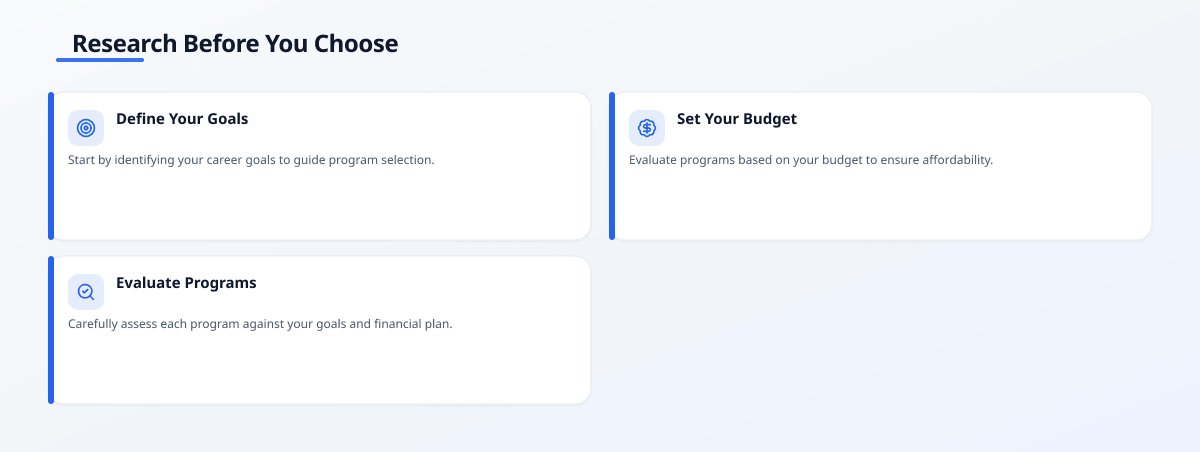
Selecting the right computer and information systems program requires careful research. Start by identifying your career goals and budget, then evaluate programs based on these factors:
- Accreditation: Ensure the program is accredited by a recognized agency, which is essential for financial aid eligibility and employer recognition.
- Curriculum: Review the course list to see if it covers the topics that interest you and offers relevant specializations.
- Cost and financial aid: Compare tuition rates, fees, and available scholarships. Online programs may offer lower tuition, but factor in technology costs and potential time to completion.
- Flexibility: Consider whether you need part-time, accelerated, or asynchronous course options to fit your schedule.
- Outcomes: Look for data on graduation rates, job placement, and alumni salaries. Many schools publish this information on their websites.
Once you narrow down your options, reach out to admissions advisors and ask about program details. You can also connect with current students or alumni through LinkedIn to get their perspective on the program's strengths and weaknesses. Taking the time to compare programs now can save you from costly mistakes later.
Admission Requirements and Prerequisites
Admission to a computer information systems degree program typically requires a high school diploma or equivalent, with a strong background in math and computer science. Some colleges expect SAT or ACT scores, though many have moved to test-optional policies. For transfer students, a minimum GPA and certain prerequisite courses may be required.
If you are returning to school after a break, you may need to complete refresher courses in math or basic programming before starting the core curriculum. Many community colleges offer associate degrees in computer information systems that can transfer to a four-year university, providing a more affordable entry point. Online programs often have rolling admissions, allowing you to start at multiple points throughout the year.
It is also wise to build basic technical skills before you begin. Familiarity with operating systems, spreadsheets, and simple programming concepts will help you hit the ground running. Free resources like Codecademy, Khan Academy, and YouTube tutorials can give you a head start without any financial commitment.
Financial Aid and Scholarships
Paying for your degree is a major concern for many students, but there are numerous ways to reduce the financial burden. Start by completing the Free Application for Federal Student Aid (FAFSA) to determine your eligibility for federal grants, loans, and work-study programs. Many states also offer grants or scholarships for residents pursuing technology degrees.
Institutional scholarships are another valuable resource. Many universities automatically consider applicants for merit-based scholarships, while others require separate applications. Professional organizations like the Association for Computing Machinery (ACM) and CompTIA also offer scholarships for students in computing fields. Additionally, some employers provide tuition reimbursement for employees pursuing degrees related to their jobs, so check with your human resources department.
When comparing financial aid packages, consider the total cost of attendance, including tuition, fees, books, and living expenses. Online programs may save money on commuting and housing, but you should factor in the cost of a reliable computer and internet connection. By planning ahead, you can minimize student debt and maximize your return on investment.
Career Outlook and Future Trends
The demand for skilled IT professionals shows no signs of slowing. As businesses continue to undergo digital transformation, they need experts who can implement and manage technology solutions. Cloud computing, artificial intelligence, and cybersecurity are particularly hot areas, driving growth in both new and existing roles.
According to the Bureau of Labor Statistics, employment in computer and information technology occupations is projected to grow faster than the average for all occupations. This growth is fueled by the need for more robust security measures, increased reliance on data analytics, and the expansion of cloud services. For those with a computer information systems degree, this means a wide range of job opportunities and strong job security.
To stay competitive, consider continuous learning beyond your degree. Earning industry certifications, attending workshops, and keeping up with emerging technologies will help you advance. Many professionals also pursue master's degrees later in their careers to qualify for senior management positions. The field rewards those who are curious and adaptable.
Getting Started: Next Steps
Now that you understand the benefits of a computer information systems degree, it is time to take action. Begin by researching programs that align with your goals, budget, and schedule. Use online directories and school websites to gather information, and don't hesitate to contact admissions offices with questions.
If you need personalized assistance, CollegeDegree.Education offers a free matching service that connects you with accredited colleges and universities. Their platform allows you to compare programs, explore financial aid options, and request information from schools that fit your criteria. This can save you hours of research and help you make an informed decision.
As you evaluate your options, keep in mind that the effort you invest in choosing the right program will pay off in career satisfaction and financial stability. A computer information systems degree is a versatile credential that opens doors to numerous industries and roles. With careful planning and the right resources, you can build a rewarding career in this growing field.
In summary, this degree combines technical expertise with business acumen, making it a powerful choice for anyone interested in technology and problem-solving. Whether you choose an online or on-campus program, the skills you gain will be in high demand for years to come. Take the first step today by exploring your options and reaching out to schools that interest you. Your future in IT awaits. Learn more