
Bethune-Cookman Mass Communication Degree Guide
Earn a Mass Communication/Media Studies Bachelor's degree, usually 4 years In-person at Bethune-Cookman University, and gain hands-on media training for dynamic careers.

By Janet Wilson
Choosing a major is one of the most consequential decisions you will make as a college student. If you are drawn to storytelling, broadcasting, public relations, or digital media, a Mass Communication/Media Studies Bachelor's degree, usually 4 years In-person at Bethune-Cookman University, offers a structured, immersive pathway into the communications industry. Bethune-Cookman University, a historically Black university in Daytona Beach, Florida, combines hands-on media training with a liberal arts foundation, preparing graduates for roles in journalism, broadcasting, public relations, and beyond. This guide breaks down what the program entails, how to get in, what it costs, and where it can take you.
Program Overview: What a Mass Communication/Media Studies Degree at Bethune-Cookman Involves
The Mass Communication/Media Studies Bachelor's degree at Bethune-Cookman University is designed to give students a broad understanding of how media shapes culture, politics, and daily life while building practical skills in writing, production, and critical analysis. The program typically requires 120 credit hours and is completed over four years of full-time, in-person study on the Daytona Beach campus. Coursework blends theoretical foundations with hands-on projects, ensuring that graduates leave with both a portfolio and a critical lens.
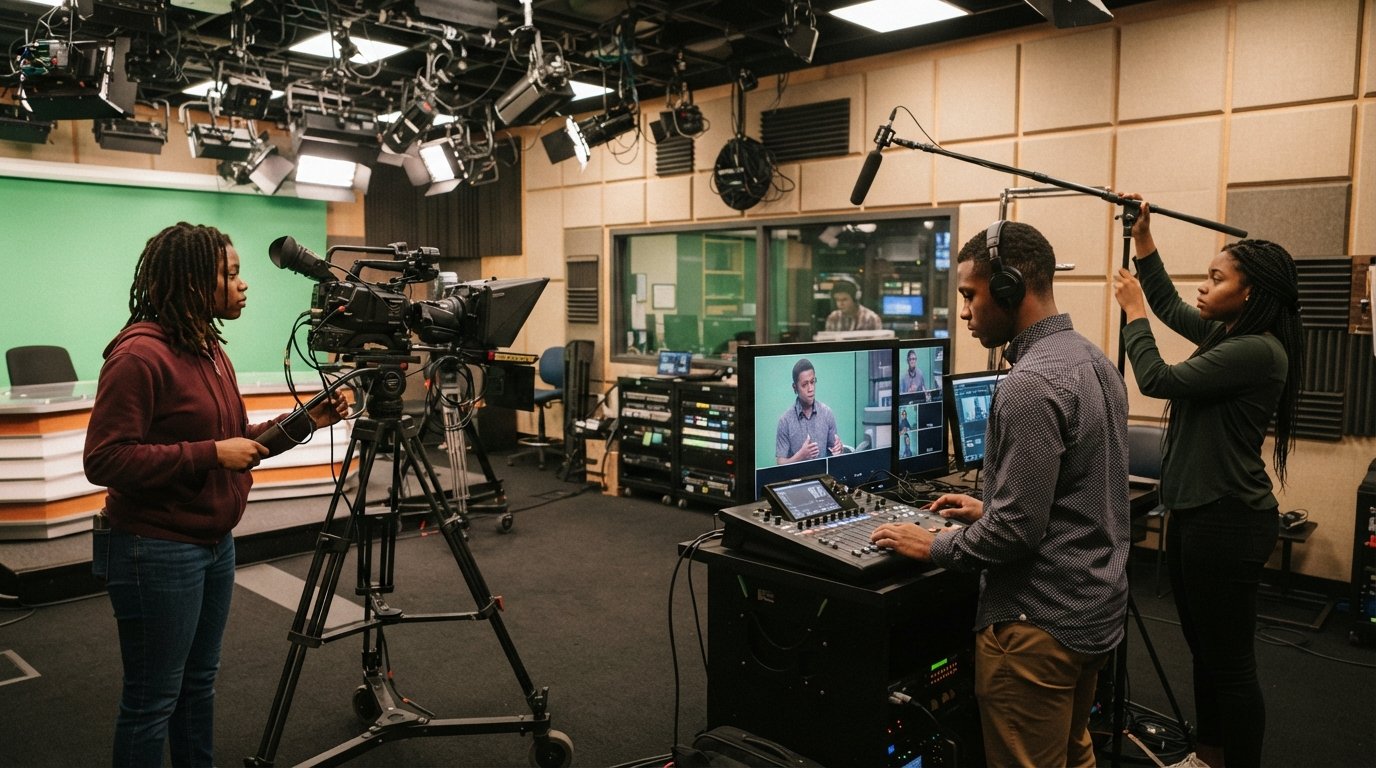
Students explore core areas such as media law and ethics, communication theory, news writing and reporting, broadcast production, and digital media strategies. Upper-level electives allow specialization in areas like public relations, sports media, or multimedia journalism. Small class sizes and access to campus media outlets, such as student publications or broadcast facilities, provide real-world experience before graduation. The in-person format fosters mentorship from faculty with industry experience and collaboration with peers on creative projects.
According to the university catalog, the program emphasizes writing proficiency, visual literacy, and analytical thinking, all of which are essential for adapting to a rapidly changing media landscape. Because the degree is offered on campus, students benefit from face-to-face networking, internships with local media outlets in the Daytona Beach and Orlando areas, and participation in student organizations like the National Association of Black Journalists chapter.
Admissions Requirements and Application Steps
Admission to Bethune-Cookman University is moderately selective, and the Mass Communication program follows the university's general undergraduate admissions process. Prospective students should prepare a strong high school transcript, standardized test scores (optional for some applicants), and a personal essay that demonstrates an interest in media and communication. The university reviews applications holistically, considering GPA, extracurricular involvement, and letters of recommendation.
To apply, follow these steps:
- Complete the online application via the Bethune-Cookman University admissions portal or the Common App.
- Submit official high school transcripts and, if applicable, SAT or ACT scores.
- Provide one or two letters of recommendation from teachers or counselors.
- Write a personal statement (500 words) explaining your interest in mass communication and media studies.
- Pay the application fee or request a fee waiver if eligible.
After submission, applicants may be invited for an interview or asked to provide additional materials. Deadlines for fall admission typically fall in early spring, but rolling admissions may be available. Transfer students should consult the registrar for credit evaluation policies. Because the program is in-person, international students must also meet visa and English proficiency requirements.
Costs, Financial Aid, and Scholarship Opportunities
Understanding the cost of attendance is essential for planning. Bethune-Cookman University is a private institution, and tuition and fees for the 2025-2026 academic year are approximately $16,000 to $18,000 per year for full-time undergraduates, though rates are subject to change. Room and board, books, and personal expenses add to the total. However, generous financial aid packages, including institutional scholarships, federal grants, and state aid, can significantly reduce out-of-pocket costs.
Students pursuing the Mass Communication/Media Studies degree can apply for merit-based scholarships through the university, such as the Presidential Scholarship or departmental awards for outstanding portfolios. The Free Application for Federal Student Aid (FAFSA) is required to determine eligibility for Pell Grants, work-study, and federal loans. Florida residents may also qualify for the Florida Student Assistance Grant. Additionally, external scholarships from media organizations, such as the National Association of Broadcasters or the Florida Press Association, are worth exploring.
For a broader look at how to compare college costs and find affordable options, resources like CollegeAndTuition offer guides on financial aid and tuition planning. It is also wise to contact the university's financial aid office directly for personalized estimates and to inquire about payment plans.
Curriculum Highlights and Hands-On Learning
The curriculum for the Mass Communication/Media Studies Bachelor's degree at Bethune-Cookman is structured to build competencies progressively. In the first two years, students complete general education requirements alongside introductory courses in communication, media writing, and visual storytelling. The junior and senior years focus on advanced production, research methods, and a capstone project or internship.
Key courses often include:
- Media and Society: examines the role of media in shaping public opinion and culture.
- News Writing and Reporting: develops interviewing, research, and writing skills for print and digital outlets.
- Broadcast Production: covers studio and field production for television and radio.
- Public Relations Principles: introduces strategic communication and campaign planning.
- Media Law and Ethics: explores legal constraints and ethical decision-making in journalism and broadcasting.
Beyond the classroom, students gain practical experience through the campus radio station, student newspaper, or video production club. Internships are strongly encouraged and often arranged with local TV affiliates, PR agencies, or digital marketing firms. The in-person format allows for immediate feedback from professors and collaboration on real client projects, which can be showcased in a professional portfolio upon graduation.
Career Outcomes and Industry Outlook
Graduates with a Mass Communication/Media Studies degree from Bethune-Cookman University pursue diverse career paths. The program's emphasis on writing, critical thinking, and production skills prepares students for roles in journalism, corporate communications, social media management, advertising, and public relations. According to the Bureau of Labor Statistics, employment in media and communication occupations is projected to grow modestly through 2032, with strong demand for digital content creators and public relations specialists.
Potential job titles include:
- Broadcast journalist or news anchor
- Public relations specialist
- Social media manager
- Content strategist or copywriter
- Media producer or editor
Alumni of Bethune-Cookman's communication program have found work at regional news stations, sports franchises, nonprofit organizations, and corporate marketing departments. The university's location in Florida provides access to a growing media market, and the strong alumni network can help with job placement. For students interested in further study, the degree also serves as a foundation for a master's in journalism, communication, or business administration. If you are considering a graduate degree in a related field, exploring guides such as the Bachelor of Neuroscience Degree Guide can illustrate how different disciplines approach research and career preparation, though the path for media studies is distinct.
Why Choose Bethune-Cookman for Media Studies?
Bethune-Cookman University offers a unique environment for media studies students. As a historically Black university, it provides a supportive community and a curriculum that values diversity and social justice, which are increasingly important in media. The in-person, four-year format allows for deep relationships with faculty mentors and peers, and the campus's media outlets offer immediate opportunities to publish or broadcast work.
Moreover, the university's commitment to experiential learning means students graduate with a portfolio, not just a transcript. The small class sizes ensure personalized attention, and the location in Daytona Beach offers proximity to internships and part-time work in nearby Orlando and Jacksonville. For students who thrive in a structured, face-to-face learning environment, this program is a strong choice.
How to Succeed in the Program
Success in the Mass Communication/Media Studies program requires more than attending classes. Students should actively seek out extracurricular opportunities, build a professional network, and stay current with industry trends. Here are a few strategies:
- Join student media organizations and take on leadership roles.
- Complete at least one internship before senior year.
- Create a digital portfolio of your work (articles, videos, campaigns).
- Attend networking events and workshops hosted by the communication department.
Additionally, maintain strong relationships with professors who can provide recommendations for jobs or graduate school. The in-person format makes it easier to visit office hours and seek feedback on projects. Finally, consider adding a minor in a complementary field, such as business, political science, or graphic design, to broaden your career options.
Earning your Mass Communication/Media Studies Bachelor's degree, usually 4 years In-person at Bethune-Cookman University, is an investment in a dynamic and evolving field. With a blend of theory, practice, and mentorship, the program prepares you to tell stories that matter and to adapt to new media platforms. If you are ready to take the next step, visit the university's admissions page or use a matching tool to explore similar programs and financial aid options.