
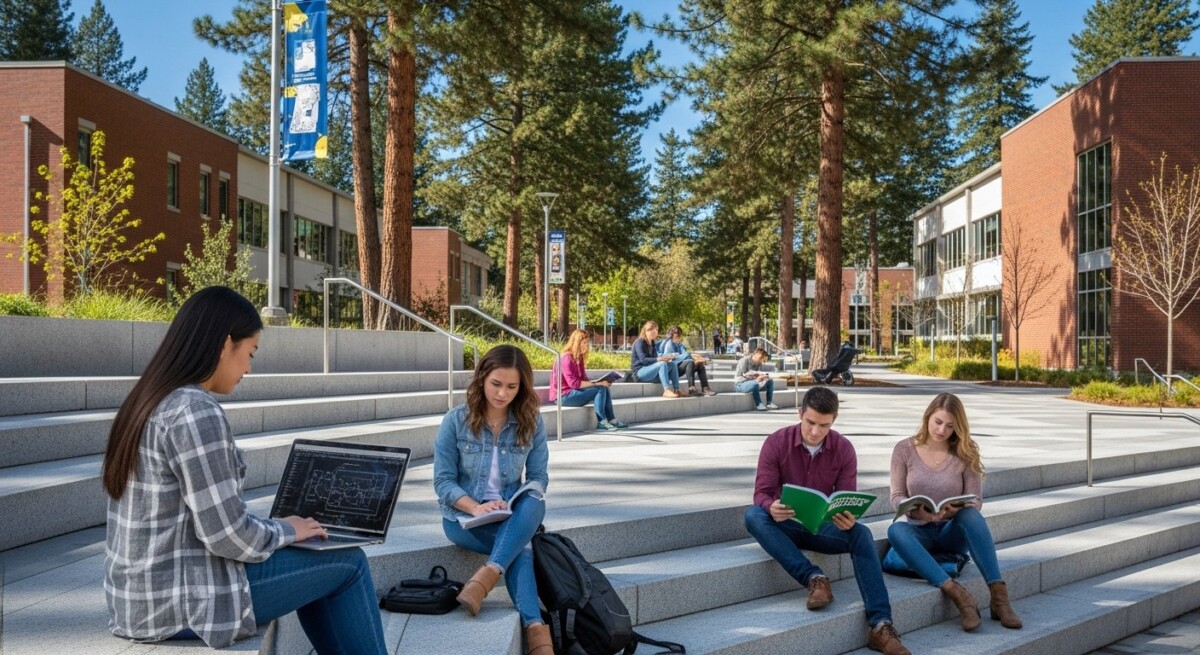
Choosing where to earn a bachelor’s degree is one of the most consequential decisions a student can make. For those drawn to the Pacific Northwest, Oregon offers a distinctive blend of academic rigor, natural beauty, and career opportunity. The state’s public and private institutions are known for strong programs in fields ranging from environmental science and engineering to business and the liberal arts. Whether you are a high school senior, a transfer student, or an adult returning to the classroom, understanding the landscape of Oregon universities for bachelor’s degree studies can help you find the right fit for your goals and budget.
This article provides a detailed look at the major universities in Oregon that offer four-year degrees. We will examine what makes each institution unique, how to evaluate programs, and what steps you can take to make an informed choice. By the end, you will have a clearer picture of where to focus your college search and how to connect with schools that match your academic and personal needs.
Why Oregon for a Bachelor’s Degree?
Oregon is home to a diverse higher education ecosystem. The state’s flagship public research university, the University of Oregon (UO), sits in Eugene and is known for its strong programs in journalism, business, architecture, and the sciences. Oregon State University (OSU) in Corvallis is a leading land-grant institution with top-tier engineering, forestry, and agricultural programs. Portland State University (PSU) serves a large urban student body and excels in fields such as urban studies, social work, and computer science. Private institutions like Lewis & Clark College, Reed College, and the University of Portland add further depth, offering smaller class sizes and distinct educational philosophies.
Beyond academics, Oregon’s quality of life is a major draw. The state offers access to the Pacific Ocean, the Cascade mountain range, and the high desert of central Oregon. Outdoor recreation is a way of life, and many campuses are bike-friendly and sustainability-focused. For students seeking a balance between rigorous study and a healthy lifestyle, Oregon universities for bachelor’s degree studies provide an environment that supports both.
Major Oregon Universities and Their Strengths
University of Oregon (UO)
The University of Oregon is the state’s largest public research university, enrolling more than 20,000 undergraduates. It is classified as an R1 doctoral university with very high research activity. UO is particularly strong in the humanities, social sciences, and natural sciences. The Lundquist College of Business is highly regarded, and the School of Journalism and Communication is one of the best in the nation. The campus in Eugene is walkable and bikeable, and the city itself offers a vibrant arts and food scene.
For students interested in hands-on learning, UO offers numerous undergraduate research opportunities, internships, and study abroad programs. The university’s Career Center helps students connect with employers in Oregon and beyond. Graduates of UO often find work in technology, education, government, and the nonprofit sector.
Oregon State University (OSU)
Oregon State University, located in Corvallis, is the state’s largest public university by total enrollment, with over 31,000 students. It is a land-grant, sea-grant, space-grant, and sun-grant institution, reflecting its broad research mission. OSU is nationally recognized for its programs in engineering, forestry, oceanography, and agriculture. The College of Engineering is the largest in the state and produces highly sought-after graduates in computer science, mechanical engineering, and civil engineering.
OSU also has a strong commitment to experiential learning. The university’s Undergraduate Research, Scholarship, and the Arts program allows students to work alongside faculty on real-world projects. The campus is known for its collaborative atmosphere and strong sense of community. Corvallis is consistently ranked as one of the safest and most livable small cities in America.
Portland State University (PSU)
Portland State University is located in the heart of downtown Portland, Oregon’s largest city. PSU is known for its urban mission and its commitment to community engagement. The university serves a diverse student body, including many transfer students, first-generation college students, and working adults. PSU offers strong programs in business, computer science, engineering, social work, and the arts. The School of Business is accredited by AACSB International and has a strong focus on sustainability and social responsibility.
One of PSU’s biggest advantages is its location. Students can take advantage of internships and job opportunities at companies like Intel, Nike, and Columbia Sportswear, all of which have a significant presence in the Portland metro area. The university also has a strong network of alumni in the region.
Private Universities: Reed College, Lewis & Clark, and University of Portland
For students seeking a smaller, more intimate learning environment, Oregon’s private colleges offer excellent options. Reed College in Portland is a highly selective liberal arts college known for its rigorous academic program, including a required senior thesis. Reed has a strong reputation for producing graduates who go on to earn PhDs at top universities. Lewis & Clark College, also in Portland, combines a strong liberal arts core with professional programs in law, education, and counseling. The campus is beautiful and features a historic estate overlooking the Willamette River.
The University of Portland is a private Catholic university that offers strong programs in engineering, nursing, business, and education. It is known for its small class sizes, personalized attention, and a strong sense of community. The university’s location in the north Portland hills provides stunning views of the city and the river.
How to Choose the Right University for You
Selecting among Oregon universities for bachelor’s degree studies requires careful consideration of several factors. The following list outlines key criteria to evaluate during your search:
- Academic programs and majors. Ensure the university offers a strong program in your intended field of study. Look for accreditation, faculty expertise, and opportunities for research or internships.
- Campus culture and size. Consider whether you prefer a large research university or a smaller liberal arts college. Visit campuses if possible to get a feel for the environment.
- Location and cost of living. Tuition and housing costs vary significantly across Oregon. In-state students benefit from lower public university tuition, while out-of-state students may find private schools competitive after financial aid.
- Financial aid and scholarships. Research the types of aid available at each institution, including merit-based scholarships, need-based grants, and work-study programs.
- Career services and alumni network. Strong career support can make a significant difference in your job search after graduation. Look for schools with robust internship programs and active alumni networks.
Once you have identified a few potential schools, take the time to compare them side by side. Make a spreadsheet listing tuition, housing costs, program requirements, and application deadlines. Talk to current students and alumni to get an insider’s perspective. For more detailed guidance on comparing degree options and understanding accreditation, exploring academic program insights can help you evaluate different pathways and make a more informed decision.
Application Tips for Oregon Universities
Applying to college in Oregon is similar to other states, but there are a few nuances. Most public universities use the Oregon Application, which is a single application that can be submitted to multiple Oregon public universities at once. Private schools typically use the Common Application or their own institutional application. Deadlines vary, but most fall between November and February for fall admission.
Here are some practical steps to strengthen your application:
- Start early. Begin researching schools and gathering materials at least a year before you plan to enroll.
- Focus on your essay. The personal statement is your opportunity to tell your story and explain why you are a good fit for the school.
- Secure strong letters of recommendation. Ask teachers or mentors who know you well and can speak to your academic abilities and character.
- Demonstrate interest. Attend virtual information sessions, visit campus, or connect with admissions representatives. Some schools track demonstrated interest as a factor in admissions.
- Apply for financial aid early. Complete the FAFSA or Oregon Student Aid Application as soon as possible after October 1 of your senior year.
Remember that many Oregon universities have rolling admissions for certain programs, so applying early can improve your chances of acceptance and scholarship consideration.
Online and Hybrid Bachelor’s Degree Options
Not every student can attend classes on a traditional campus. Oregon universities also offer robust online and hybrid bachelor’s degree programs. Oregon State University’s Ecampus is one of the largest and most respected online programs in the country, offering over 30 fully online bachelor’s degrees in fields such as computer science, business, psychology, and liberal studies. Portland State University and the University of Oregon also offer online degree completion programs for students who have already completed some college coursework.
Online programs provide flexibility for working adults, parents, and military service members. They often feature the same faculty and curriculum as on-campus programs and lead to the same degree. For those exploring online education, our guide on why choose an online cyber security bachelors degree provides a detailed look at one popular online pathway and how to evaluate program quality.
Frequently Asked Questions
What is the most affordable Oregon university for a bachelor’s degree?
For in-state students, the most affordable options are typically the public universities. Oregon State University and the University of Oregon offer competitive tuition rates for residents. Portland State University also offers lower tuition, especially for students who qualify for the Oregon Promise grant or other state aid. For out-of-state students, private universities may offer substantial merit-based scholarships that can bring the net cost below that of public universities.
Can I transfer credits from a community college to an Oregon university?
Yes, Oregon has a strong transfer system. The Oregon Transfer Module and the Associate of Arts Oregon Transfer (AAOT) degree are designed to transfer seamlessly to all Oregon public universities. Many private universities also accept transfer credits. It is important to work with an academic advisor at both institutions to ensure your credits will apply to your intended bachelor’s degree.
Are there Oregon universities that offer accelerated bachelor’s degree programs?
Some Oregon universities offer accelerated programs that allow students to earn a bachelor’s degree in three years or combine a bachelor’s and master’s degree in five years. For example, Portland State University offers accelerated bachelor’s to master’s programs in several fields. Oregon State University also has a number of combined degree programs. These options are ideal for motivated students who want to save time and money.
What is the job market like for graduates of Oregon universities?
Oregon has a diverse and growing economy. Major employers include Intel (Hillsboro), Nike (Beaverton), Columbia Sportswear (Portland), and Providence Health & Services. The technology sector is particularly strong in the Portland metro area, and there is also demand for graduates in healthcare, education, and environmental fields. Many Oregon universities have strong career placement offices and alumni networks that help graduates find jobs in the state and beyond.
Choosing the right university is a personal journey that depends on your academic interests, career goals, and financial situation. Oregon universities for bachelor’s degree studies offer a wide range of options, from large research institutions to intimate liberal arts colleges. By taking the time to research each school, visit campuses, and understand the financial aid landscape, you can find a program that sets you up for success. The resources available through CollegeDegree.Education can help you compare programs and connect with schools that meet your needs. Start your search today, and take the first step toward earning a degree that opens doors for your future.