
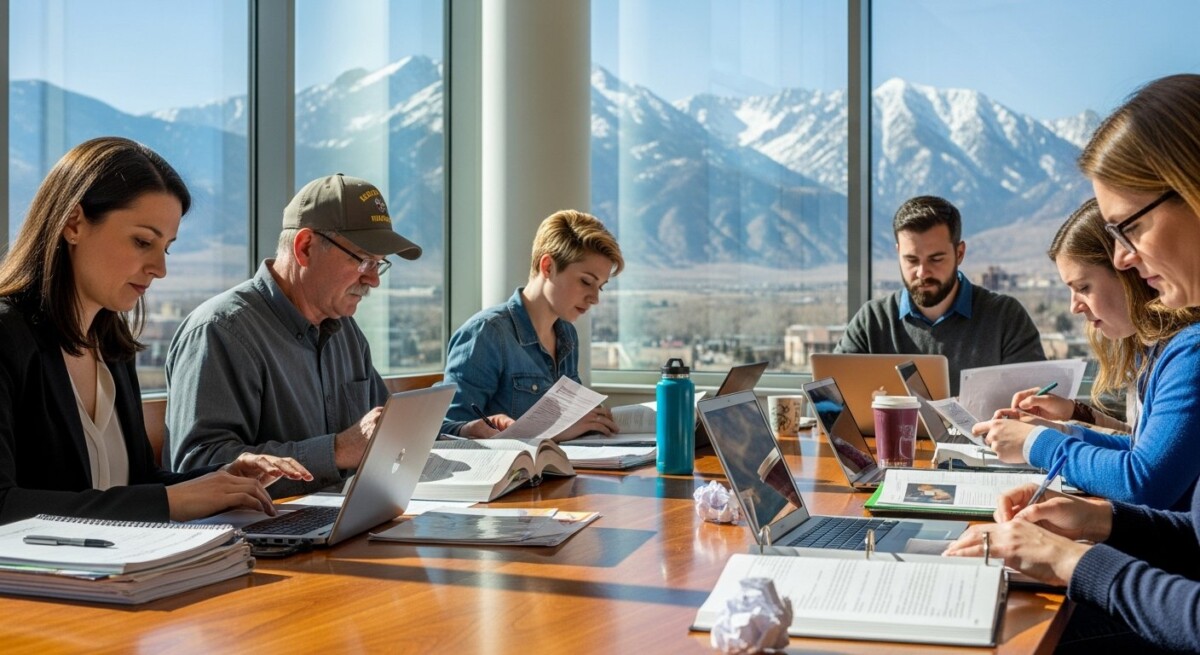
Returning to college to finish a bachelor’s degree is a significant decision that can transform your career trajectory and earning potential. Colorado offers a robust landscape of institutions designed specifically for adult learners, transfer students, and professionals who started their degree journey but never crossed the finish line. Whether you are balancing work, family, or military obligations, the right program can make the difference between another year of stalled progress and a diploma in hand. This article explores the top colleges in Colorado for bachelor’s degree completion, focusing on flexible formats, credit transfer policies, and support services tailored to nontraditional students.
Why Colorado Is a Strong Choice for Degree Completion
Colorado ranks among the most educated states in the nation, with a workforce that increasingly demands postsecondary credentials. For adults who earned some college credit but no degree, the state offers a dense network of public universities, private colleges, and online providers that specialize in reengaging stop-outs. The Colorado Department of Higher Education reports that over 700,000 residents have some college credit but no degree, a statistic that has spurred targeted completion initiatives across the state.
What makes Colorado particularly attractive is the combination of institutional flexibility and statewide transfer agreements. The Colorado Transfer Articulation Agreement guarantees that general education credits earned at any public institution transfer seamlessly to another public college in the system. This means you can start at a community college and finish at a university without losing progress. Additionally, many schools now accept prior learning assessment credits for military training, professional certifications, and work experience, further accelerating the path to graduation.
Types of Degree Completion Programs Available
Before selecting a college, it is helpful to understand the primary models of degree completion programs available in Colorado. Each model serves different student profiles and lifestyle constraints. Below is a breakdown of the most common formats you will encounter.
- Online and Hybrid Programs: Fully online or partially on-campus programs allow you to complete coursework from anywhere. Colorado State University Global and University of Colorado Denver both offer robust online completion tracks.
- Evening and Weekend Formats: Designed for working professionals, these programs hold classes outside traditional business hours. Regis University and the University of Denver offer accelerated evening cohorts.
- Competency-Based Education: You progress by demonstrating mastery of skills rather than sitting through fixed-length courses. Western Governors University Colorado operates on this model, ideal for self-directed learners.
- Community College to University Pathways: Colorado’s community colleges have guaranteed transfer agreements with four-year institutions. Completing an associate degree first can save thousands of dollars before transferring.
Each of these formats has distinct advantages. Online programs offer maximum scheduling flexibility but require strong self-discipline. Evening programs provide in-person networking and faculty interaction. Competency-based models can be faster for students who already possess substantial knowledge from work or military service. Understanding your learning style and time constraints will help you choose the right fit among the colleges in Colorado for bachelor’s degree completion.
Top Colorado Institutions for Completing Your Bachelor’s Degree
Colorado State University Global (CSU Global)
CSU Global is an accredited, 100% online public university built specifically for adult learners. It accepts up to 90 transfer credits from accredited institutions, meaning you could potentially enter with only 30 credits remaining. The university offers eight-week courses with six start dates per year, so you never have to wait for a traditional semester cycle. Tuition is among the most affordable for an accredited online program, and military students receive a reduced tuition rate. CSU Global is particularly strong for students pursuing business, IT, healthcare administration, and criminal justice degrees.
University of Colorado Denver (CU Denver)
CU Denver’s College of Liberal Arts and Sciences offers a Bachelor of Arts in Integrated Studies designed specifically for transfer and returning students. This degree allows you to combine multiple areas of interest into a personalized major, making it easier to apply previous credits from different disciplines. The university also participates in the Colorado Credit Transfer Program, ensuring that credits from any Colorado community college transfer smoothly. CU Denver offers both on-campus and online courses, with evening options available in many programs.
Regis University (Denver)
Regis University, a private Jesuit institution, operates the College for Professional Studies, which serves adult learners through accelerated evening and online programs. Regis accepts up to 90 transfer credits and offers a Prior Learning Assessment that can award up to 30 additional credits for work experience, military training, and professional licenses. The university’s cohort model places you with the same group of students throughout the program, building a strong support network. Popular completion degrees include organizational leadership, accounting, and nursing (RN to BSN).
University of Northern Colorado (UNC)
UNC in Greeley offers a Bachelor of Science in Interdisciplinary Studies for students with diverse transfer backgrounds. The program is designed to maximize credit acceptance by creating a customized degree plan that accommodates coursework from multiple institutions. UNC also offers fully online completion options in fields like criminal justice, sociology, and psychology. The university’s Adult Learner Services office provides dedicated advising, scholarship information, and career counseling specifically for returning students.
Western Governors University Colorado (WGU Colorado)
WGU Colorado is a nonprofit, competency-based university that allows you to accelerate through courses by proving what you already know. This model can significantly reduce both time and cost for experienced professionals. WGU accepts transfer credits from accredited institutions and also awards credit for industry certifications such as CompTIA, Project Management Professional, and Cisco credentials. Degrees are available in IT, business, education, and healthcare. The flat-rate tuition model means you pay the same amount whether you take two courses or five in a six-month term.
Metropolitan State University of Denver (MSU Denver)
MSU Denver is a public university with a strong commitment to transfer students. The university accepts up to 90 credits from regionally accredited institutions and has articulation agreements with every Colorado community college. MSU Denver offers evening, weekend, and online courses across more than 100 majors. The university’s Transfer Center provides personalized degree audits and connects students with faculty advisors who specialize in completion planning. For students who have been out of school for several years, the Rebound Program offers financial support and academic coaching for returning students.
How to Evaluate Which Program Fits Your Needs
Choosing among the many colleges in Colorado for bachelor’s degree completion requires careful evaluation of several factors. Start by requesting a preliminary credit evaluation from each school you are considering. This free service will show exactly how many of your existing credits will transfer and how many courses remain. Some schools offer online tools where you can upload transcripts and receive an immediate estimate.
Next, consider the cost structure. Public universities generally offer lower tuition for Colorado residents, but private schools like Regis may offer more generous financial aid packages. Online programs often have lower fees than on-campus programs, though you should factor in technology fees. Remember that many employers offer tuition reimbursement benefits, and military veterans can use the Post-9/11 GI Bill at most Colorado institutions. For a broader perspective on how different degree types can align with your career goals, you can explore our complete guide to the different types of bachelor degrees.
Finally, evaluate the support services available. Degree completion is more than just transferring credits; it requires sustained motivation and guidance. Look for schools that offer dedicated adult learner advisors, tutoring services during evening hours, career counseling, and alumni networking opportunities. The best programs treat returning students as a priority population, not an afterthought.
Financial Aid and Scholarship Opportunities
Finishing a bachelor’s degree can be surprisingly affordable if you leverage the right resources. Colorado residents may qualify for the Colorado College Opportunity Fund, which provides a per-credit stipend that reduces tuition at public institutions. Many universities also offer need-based and merit-based scholarships specifically for transfer and returning students. The federal Pell Grant is available for students who have not yet earned a bachelor’s degree and meet income criteria.
For military-affiliated students, the Yellow Ribbon Program can cover tuition costs beyond the GI Bill cap at participating private schools. Colorado also offers the Colorado State Trooper Dependent Scholarship and the Colorado Student Grant for residents with financial need. Before enrolling, complete the Free Application for Federal Student Aid (FAFSA) and contact the financial aid office at each school to discuss your specific situation.
Frequently Asked Questions
How many credits do I need to transfer to complete a bachelor’s degree in Colorado?
Most Colorado bachelor’s degree completion programs require 120 total credits. You typically need at least 30 credits (one year of coursework) remaining to enroll as a degree completion student. Many schools accept up to 90 transfer credits, meaning you could enter with as few as 30 credits remaining.
Will my credits from an out-of-state college transfer to a Colorado school?
Yes, as long as the credits come from a regionally accredited institution. Each Colorado school evaluates out-of-state transcripts individually. Public universities generally follow the Colorado Transfer Articulation Agreement for general education credits, but major-specific credits may require additional evaluation.
Can I complete a bachelor’s degree entirely online in Colorado?
Absolutely. CSU Global, WGU Colorado, and many programs at CU Denver and UNC are available fully online. These programs are designed for students who cannot attend on-campus classes due to work or family obligations.
How long does it take to complete a bachelor’s degree as a returning student?
If you transfer 60-90 credits, you can typically finish in 1-2 years of full-time study. Part-time students may take 3-4 years. Competency-based programs like WGU Colorado can be faster if you accelerate through courses you already understand.
Are there programs specifically for veterans in Colorado?
Yes. Most Colorado colleges have dedicated veterans services offices. CU Denver, Regis University, and MSU Denver are designated Military Friendly Schools. WGU Colorado and CSU Global offer reduced tuition rates for active-duty military and veterans.
Taking the Next Step Toward Your Degree
Completing a bachelor’s degree in Colorado is more achievable today than ever before, thanks to flexible program designs, generous credit transfer policies, and targeted support for adult learners. The key is to start by requesting official transcripts from every institution you have attended and scheduling a credit evaluation with the schools that interest you. Many programs offer free application fees or waived enrollment deposits for returning students. As you compare options, remember that the best choice is the one that fits your schedule, budget, and learning preferences. For additional insights into academic pathways and program comparisons, you can visit CollegeDegrees.School for academic program insights that can help you evaluate different degree options. Your prior coursework and life experience are valuable assets; do not let them go unused. With the right college partner, you can turn those credits into a completed degree and unlock new career opportunities.