
Become an RN in Minnesota: Your Associate Degree in Nursing Guide
An associate degree in nursing in Minnesota provides a fast, affordable path to becoming a Registered Nurse, with strong job growth across the state.

By Mason Reed
For many aspiring nurses in the Land of 10,000 Lakes, the most direct and efficient path to a rewarding career starts with an associate degree in nursing in Minnesota. This practical, focused educational route prepares students to sit for the NCLEX-RN licensure exam and enter the healthcare workforce as a Registered Nurse (RN) in as little as two years. With Minnesota facing ongoing healthcare demands and a strong network of hospitals and clinics, an ADN offers a strategic entry point into a stable, in-demand profession. This guide will navigate the specifics of Minnesota’s ADN programs, from admission requirements and curriculum to licensure and career advancement, providing a clear roadmap for your nursing journey.
Understanding the ADN Pathway in Minnesota
An Associate Degree in Nursing (ADN) is a two-year program offered at community colleges, technical colleges, and some four-year institutions. It is designed to provide the essential knowledge and clinical skills required for safe, entry-level nursing practice. In Minnesota, these programs are rigorously structured to meet the standards set by the Minnesota Board of Nursing (MBON) and are typically accredited by the Accreditation Commission for Education in Nursing (ACEN) or the Commission on Collegiate Nursing Education (CCNE). Graduates are awarded an Associate of Science (AS) or Associate of Applied Science (AAS) in Nursing and are eligible to apply for the National Council Licensure Examination for Registered Nurses (NCLEX-RN).
The appeal of the ADN in Minnesota is multifaceted. It is generally more affordable and accessible than a four-year Bachelor of Science in Nursing (BSN) degree, making it an excellent option for career-changers, those with financial constraints, or students eager to begin working quickly. Minnesota’s robust community and technical college system, including institutions like Anoka-Ramsey Community College, North Hennepin Community College, and Ridgewater College, offer high-quality ADN programs that are deeply integrated with local healthcare providers for clinical rotations. This connection ensures that students gain hands-on experience in real-world settings, from major Twin Cities hospitals to rural health centers across the state.
Key Components of Minnesota ADN Programs
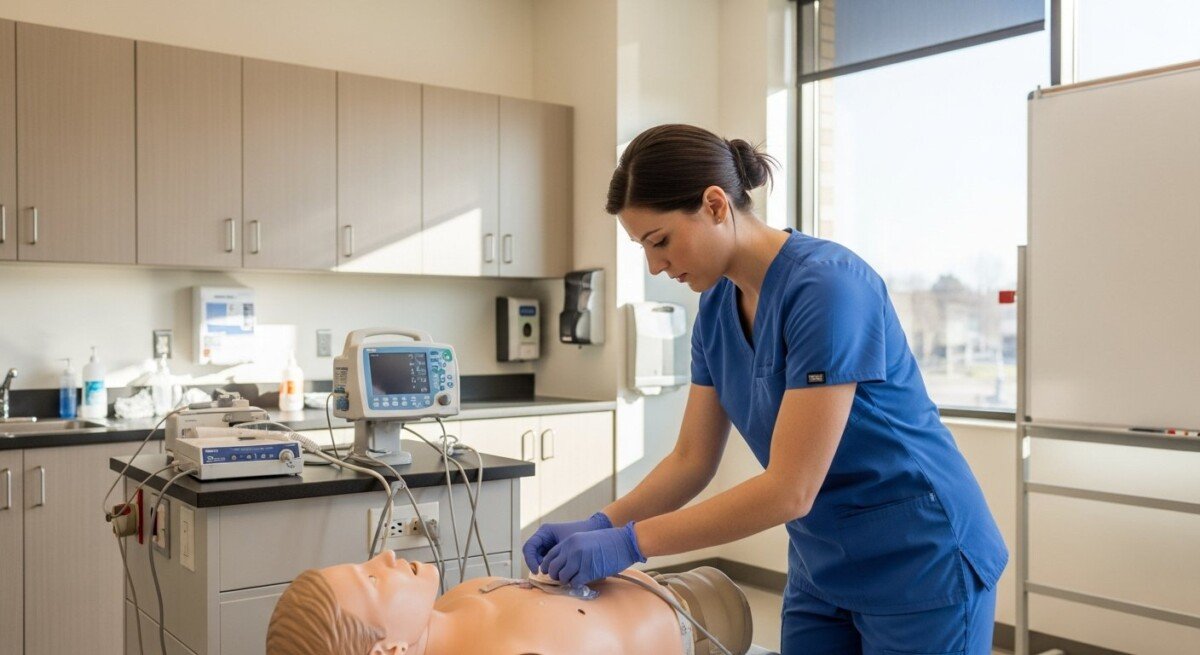
Minnesota ADN curricula blend classroom instruction, laboratory simulation, and supervised clinical practice. The coursework is demanding, covering a wide range of subjects essential for nursing competence. Understanding this structure can help you prepare for the academic rigor ahead.
Programs typically begin with prerequisite courses in anatomy, physiology, microbiology, psychology, and English composition. These foundational classes must often be completed with a minimum grade before entering the core nursing sequence. The core nursing curriculum itself is sequential, building complexity each semester. Key areas of study include fundamentals of nursing, adult health (medical-surgical nursing), pharmacology, maternal-child health, pediatric nursing, mental health nursing, and leadership. A significant portion of the program, often over 500 hours, is dedicated to clinical rotations. These rotations are the cornerstone of nursing education, allowing students to apply theoretical knowledge under the guidance of experienced instructors and RN preceptors in diverse settings like medical-surgical units, emergency departments, obstetrics, and community health clinics.
Prospective students should be aware of the competitive nature of ADN programs in Minnesota. Due to high demand and limited clinical placement slots, many programs use a selective admissions process. This process may evaluate a combination of the following factors:
- Completion of all prerequisite courses with a high GPA (often a B or better).
- Scores on entrance exams like the Test of Essential Academic Skills (TEAS).
- Previous healthcare experience or certifications (e.g., Certified Nursing Assistant).
- Personal statements or essays outlining motivation for a nursing career.
Early and thorough planning is crucial. Contacting the admissions department of your target schools to understand their specific requirements and deadlines, which can vary significantly, is the first critical step. For broader financial planning strategies that apply to nursing school and other degrees, valuable college degree guidance can be found through dedicated educational resources.
Licensure and Career Outlook for ADN Graduates
Upon successful completion of an accredited ADN program, the next step is to apply for licensure with the Minnesota Board of Nursing. This involves submitting an application, completing a background check, and registering for the NCLEX-RN exam. Passing the NCLEX-RN is the final requirement to become a licensed Registered Nurse in the state. Minnesota, like many states, participates in the Nurse Licensure Compact (NLC), which allows nurses licensed in Minnesota to practice in other compact states without obtaining additional licenses, a significant benefit for mobility.
The career outlook for RNs in Minnesota is strong. The Minnesota Department of Employment and Economic Development projects steady growth for Registered Nurses, driven by an aging population, retirements within the current nursing workforce, and expanded healthcare services. ADN-prepared RNs in Minnesota find employment in hospitals, long-term care facilities, clinics, correctional facilities, and home health agencies. Starting salaries are competitive and can increase with experience, specialization, and shift differentials. It is important to note the broader national trend toward a BSN-prepared workforce. Many Minnesota healthcare employers, especially large hospital systems in the Twin Cities, strongly prefer or require a BSN for hire or promotion. This has led to the proliferation of RN-to-BSN completion programs, which are designed specifically for ADN-prepared RNs to earn their bachelor’s degree, often online and while working.
Choosing the Right ADN Program in Minnesota
Selecting a program is a major decision. Beyond location and cost, several key factors should guide your choice to ensure it aligns with your career goals and learning style.
First and foremost, verify the program’s accreditation status. Graduating from an ACEN or CCNE accredited program is non-negotiable for licensure eligibility and for ensuring your education meets national quality standards. Next, examine the program’s NCLEX-RN pass rates, which are published by the Minnesota Board of Nursing. Consistently high pass rates are a strong indicator of a program’s effectiveness in preparing students for the licensing exam. Also, investigate the program’s clinical partnerships. Strong relationships with a variety of healthcare facilities provide students with richer, more diverse clinical experiences and can aid in future job placement. Finally, inquire about student support services, such as tutoring, academic advising, and job placement assistance. These resources can be invaluable for navigating the challenges of a rigorous nursing program. The process of choosing a nursing program shares similarities with other specialized degree paths, such as the considerations outlined in our guide on becoming an RN in Nevada, where accreditation, pass rates, and clinical opportunities are equally paramount.
Frequently Asked Questions
Can I complete an ADN program in Minnesota online?
While the core nursing theory courses may be offered online or in a hybrid format, the clinical components of an ADN program require in-person, hands-on patient care hours. Therefore, no ADN program is fully online. However, many RN-to-BSN completion programs for licensed RNs are offered entirely online.
How much does an ADN program in Minnesota cost?
Tuition varies widely. At Minnesota community and technical colleges, tuition can range from approximately $10,000 to $20,000 for the entire program for in-state residents. Costs at private institutions are higher. Remember to budget for additional expenses like textbooks, uniforms, lab fees, immunizations, background checks, and NCLEX exam fees.
Is there a waiting list for ADN programs in Minnesota?
Many programs have moved to a selective admissions process based on points or rankings rather than a simple first-come, first-served waiting list. This means meeting the minimum requirements does not guarantee immediate entry; candidates are ranked based on their academic performance in prerequisites, test scores, and other criteria.
What is the salary for an ADN-prepared RN in Minnesota?
According to data from the U.S. Bureau of Labor Statistics, the median annual wage for Registered Nurses in Minnesota is competitive with national averages. Salaries vary by region (with the Twin Cities metro typically offering higher wages), experience, and healthcare setting. Entry-level ADN RNs can expect a solid starting wage with clear opportunities for increase.
Do I need a BSN eventually if I get my ADN in Minnesota?
While you can have a long and successful career with an ADN, the industry trend strongly favors the BSN. Many employers have policies encouraging or requiring ADN hires to enroll in an RN-to-BSN program within a certain timeframe. Pursuing a BSN opens doors to leadership roles, specialized nursing positions, and graduate study.
Pursuing an associate degree in nursing in Minnesota is a powerful step toward a meaningful and resilient career. By carefully researching accredited programs, understanding the commitment required, and planning for both immediate licensure and long-term educational advancement, you can confidently embark on this path. The demand for skilled, compassionate nurses in Minnesota’s healthcare system ensures that this investment in your education is an investment in a future where you can make a profound difference in the lives of others while building a secure professional life for yourself.