
Become an RN in Florida: Your Associate Degree in Nursing Guide
An Associate Degree in Nursing is the fastest route to becoming a Registered Nurse in Florida. This guide details the steps, programs, and strong career outlook for ADN graduates.

By Ethan Clark
Florida faces a persistent and growing demand for skilled nurses, making an Associate Degree in Nursing (ADN) one of the most strategic and efficient entry points into a stable, rewarding healthcare career. This two-year degree, offered at community colleges, state colleges, and technical schools across the Sunshine State, provides the essential clinical training and theoretical knowledge required to sit for the NCLEX-RN licensure exam. For many aspiring nurses, the ADN represents the fastest route to becoming a Registered Nurse (RN), offering a balance of affordability, focused education, and strong job prospects. This guide will navigate the specifics of pursuing an associate degree in nursing in Florida, from program selection and admission hurdles to licensure and career advancement.
Understanding the ADN Pathway in Florida
The Associate of Science in Nursing (ASN) or Associate Degree in Nursing (ADN) is a program typically spanning four to six semesters. It blends classroom instruction in subjects like anatomy, physiology, microbiology, and nursing fundamentals with hands-on clinical rotations in hospital and community settings. The core objective is to prepare competent, entry-level nurses who can provide safe patient care and pass the national licensing exam. In Florida, these programs are rigorously regulated. They must be approved by the Florida Board of Nursing and accredited by either the Accreditation Commission for Education in Nursing (ACEN) or the Commission on Collegiate Nursing Education (CCNE). This dual oversight ensures that graduates meet the standards required for licensure and employment. The advantage of the ADN path, especially in a state with high demand like Florida, is its directness. Students can often enter the workforce more quickly than with a four-year degree, gain valuable experience, and later pursue a Bachelor of Science in Nursing (BSN) through RN-to-BSN bridge programs, many of which are offered online and designed for working nurses.
Admission Requirements and Program Selection
Admission to Florida ADN programs is competitive, with requirements that often exceed the basic college application. Prospective students must be prepared to demonstrate academic readiness in science and math. Common prerequisites include courses in human anatomy and physiology (with labs), microbiology, chemistry, college-level mathematics, and English composition. Many programs require a minimum GPA, often a 3.0 or higher, in these prerequisite courses. Additionally, standardized entrance exams like the Test of Essential Academic Skills (TEAS) are a standard hurdle, used to assess essential skills in reading, math, science, and English. Beyond academics, programs may require a clear criminal background check, drug screening, CPR certification, and specific health immunizations. When selecting a program, accreditation is the non-negotiable first filter. Beyond that, consider factors like program length, NCLEX-RN pass rates (publicly reported by the Florida Board of Nursing), clinical rotation partnerships with local hospitals, cost, and whether the schedule offers day, evening, or hybrid options. For example, a program with strong ties to a major hospital system may provide richer clinical experiences and smoother post-graduation job placement.
Key Steps to Application
The application process is multi-stage and requires careful planning. Missing a single requirement can delay your start by a full semester or more. Start by researching programs at least a year in advance to understand their specific prerequisite courses and deadlines. Enroll in and complete these prerequisites with the highest grades possible, as they are a primary selection criterion. Schedule and prepare thoroughly for the TEAS exam, as a strong score can significantly boost your application. Simultaneously, gather all necessary documentation, such as transcripts and immunization records. Finally, be mindful that many Florida community college programs use a selective admission point system based on GPA, test scores, and sometimes healthcare experience. Crafting a strong application is a project in itself.
Curriculum and Clinical Experience
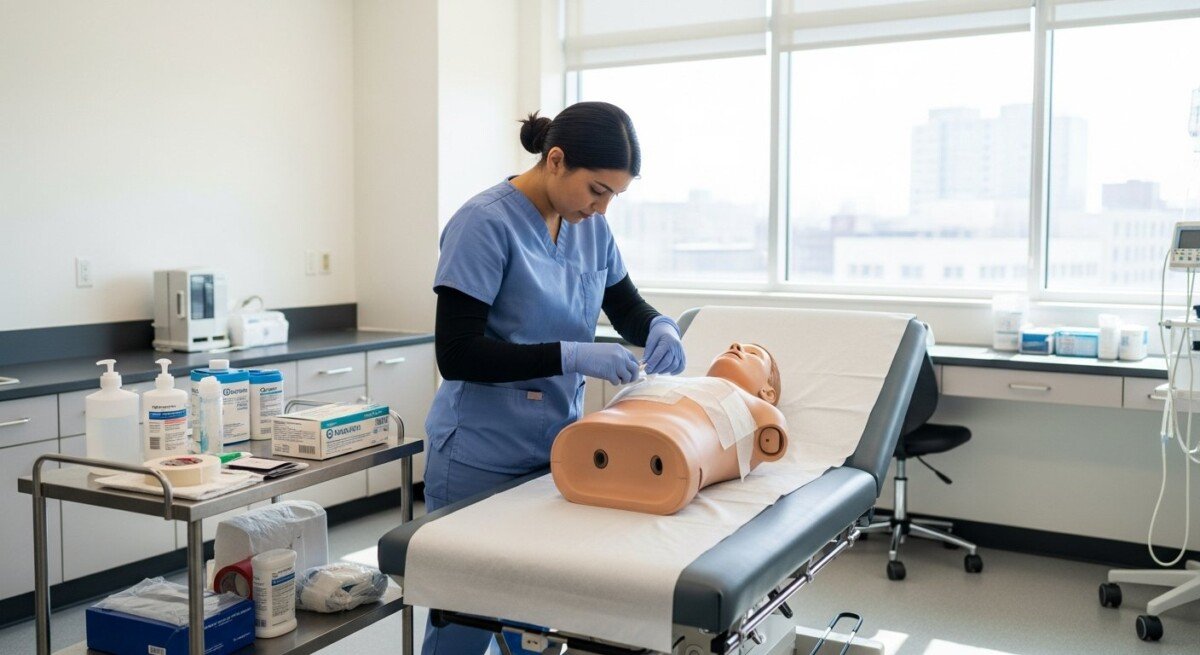
The ADN curriculum is intensive and sequential, building from foundational concepts to complex patient care management. The first year typically focuses on core sciences and introductory nursing principles, while the second year delves into specialized areas such as maternal-child health, mental health nursing, medical-surgical nursing, and leadership. The clinical component is the heart of the education. Under the supervision of clinical instructors and practicing RNs, students apply classroom knowledge in real-world settings. In Florida, students might complete rotations in diverse environments, from large urban trauma centers and pediatric hospitals to community health clinics and long-term care facilities. This exposure is invaluable, not only for skill development but also for networking and identifying potential specialty interests. The curriculum culminates in a capstone or preceptorship experience, where students often work one-on-one with an RN, taking on increased responsibility to solidify their readiness for practice.
Licensure and the NCLEX-RN in Florida
Graduation from an approved ADN program is just the first step toward practicing as an RN. The critical next step is passing the National Council Licensure Examination for Registered Nurses (NCLEX-RN). This computerized adaptive test evaluates the competencies needed to perform safely and effectively as an entry-level nurse. After graduating, you must apply for licensure by examination through the Florida Board of Nursing. The application involves submitting transcripts, fingerprints for a background check, and paying associated fees. Once the Board declares you eligible, you will receive an Authorization to Test (ATT) from Pearson VUE, the testing provider, allowing you to schedule your NCLEX exam. Florida, like many states, requires a passing score on the NCLEX-RN to receive your active RN license. Preparing for the NCLEX is a major focus of the final semester in any quality ADN program, often involving comprehensive review courses and practice tests. For a broader perspective on navigating this crucial step, our guide on becoming an RN in Nevada outlines similar licensure processes and preparation strategies that are applicable nationwide.
Career Outlook and Advancement for ADN Graduates in Florida
The job outlook for RNs in Florida is exceptionally strong, driven by an aging population, healthcare expansion, and nurse retirements. The U.S. Bureau of Labor Statistics projects steady growth for RNs nationally, and Florida’s specific demand often exceeds the national average. ADN-prepared RNs in Florida find employment in hospitals, physician offices, outpatient clinics, surgical centers, and long-term care facilities. Starting salaries are competitive and vary by region, with urban areas like Miami, Tampa, and Orlando typically offering higher wages. While an ADN provides immediate entry into the nursing profession, the industry trend strongly encourages further education. Many healthcare employers, especially major hospital systems pursuing Magnet status (a recognition of nursing excellence), prefer or require a BSN. Consequently, Florida offers numerous seamless RN-to-BSN programs, often online and part-time, allowing nurses to earn their bachelor’s degree while working. Some employers even offer tuition reimbursement as a benefit. This creates a clear career ladder: ADN to RN licensure, gain experience, then pursue a BSN and potentially advanced practice roles like Nurse Practitioner. Financial planning for this educational journey is crucial, and seeking college degree guidance can help you compare tuition costs and scholarship opportunities across different pathways.
Frequently Asked Questions
How long does it take to complete an ADN program in Florida?
Most traditional, full-time ADN programs take two years (four semesters) to complete after finishing all prerequisite courses. Part-time or evening track options may extend the timeline to three or more years.
Can I complete an ADN program online in Florida?
While the lecture/theory components of many ADN programs are increasingly offered in hybrid or online formats, the clinical training must be completed in person at approved healthcare facilities. There are no fully online ADN programs due to this hands-on requirement.
What is the cost of an ADN program in Florida?
Costs vary significantly. At a public Florida college, total program costs (tuition, fees, books, supplies) can range from $8,000 to $15,000 for in-state residents. Private institutions or out-of-state tuition can be considerably higher. Financial aid, scholarships, and grants are widely available.
Is an ADN from Florida recognized in other states?
Yes. Florida participates in the Nurse Licensure Compact (NLC), which allows nurses with a multistate license from Florida to practice physically or via telehealth in over 30 other compact states without obtaining additional licenses.
What is the difference between an ADN and a BSN in Florida?
Both degrees lead to RN licensure. The ADN is a two-year, technically focused degree emphasizing clinical skills for direct patient care. The BSN is a four-year degree that includes the ADN core plus broader coursework in leadership, research, public health, and community nursing, which is increasingly preferred for career advancement.
Pursuing an associate degree in nursing in Florida is a powerful step toward a meaningful and in-demand career. By carefully selecting an accredited program, diligently meeting admission requirements, and committing to the rigorous curriculum and clinical training, you can position yourself for success on the NCLEX-RN and beyond. The pathway from student to skilled RN is challenging but structured, offering a clear return on investment in one of Florida’s most vital professions.