
Bachelor of Social Work (BSW) Degree: A Complete Guide
A Bachelor of Social Work (BSW) is a professional degree that prepares you for entry-level careers helping individuals, families, and communities. It combines classroom theory with a required 400-hour internship.

By Ethan Clark
Choosing a college major is a pivotal decision, one that blends personal passion with professional pragmatism. For individuals driven by a desire to advocate for others, promote social justice, and create tangible change in communities, the Bachelor of Social Work (BSW) degree stands out as a powerful and purposeful entry point. This undergraduate program is far more than a collection of courses, it is a professional qualification designed to equip students with the foundational knowledge, ethical framework, and practical skills needed to begin a career in the vast field of social work. Understanding what a bachelor’s degree in social work entails is the first step toward determining if this challenging yet deeply rewarding path aligns with your goals.
Defining the Bachelor of Social Work (BSW)
A Bachelor of Social Work is a four-year undergraduate degree accredited by the Council on Social Work Education (CSWE). This accreditation is critical, as it ensures the program meets rigorous national standards for curriculum and field education, a requirement for many state-level licenses and advanced standing in Master of Social Work (MSW) programs. The BSW is distinct from a generic bachelor’s in sociology or psychology, though it draws from these disciplines. Its core mission is to prepare graduates for generalist social work practice. This means BSW holders are trained to work with individuals, families, groups, organizations, and communities across a wide spectrum of issues and settings, applying a person-in-environment perspective to understand and address complex social problems.
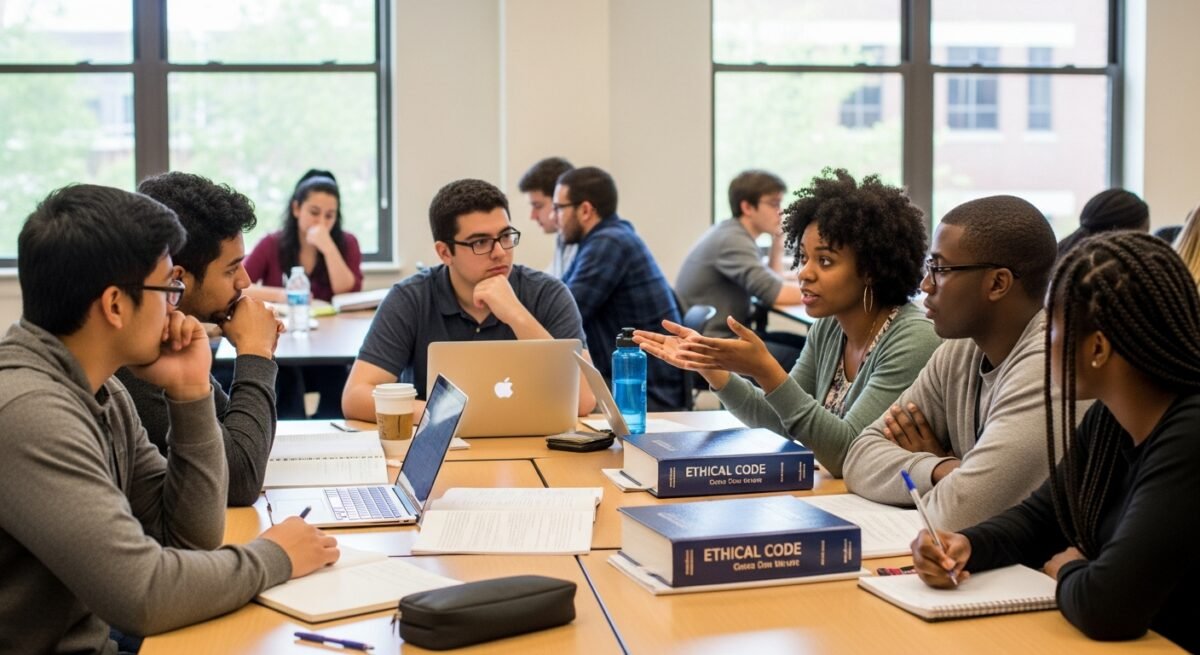
The degree integrates three core components: a robust theoretical foundation, a strong emphasis on professional ethics and values, and extensive hands-on field experience. Students learn about human behavior, social welfare policy, research methods, and culturally competent practice. The National Association of Social Workers (NASW) Code of Ethics serves as a guiding pillar, emphasizing service, social justice, dignity and worth of the person, importance of human relationships, integrity, and competence. This ethical backbone is what distinguishes social work as a profession, not just a job.
Core Curriculum and Learning Outcomes
The curriculum for a bachelor’s degree in social work is structured to build competency progressively. Early coursework often includes introductions to social work, sociology, psychology, and human biology. As students advance, they delve into the core social work curriculum mandated by CSWE accreditation. This includes courses in social welfare policy and services, human behavior and the social environment, research methods, and social work practice with individuals, groups, families, and communities. A significant focus is placed on diversity, equity, and inclusion, preparing students to work effectively with populations of different races, ethnicities, genders, sexual orientations, abilities, and socioeconomic statuses.
Upon successful completion of a BSW program, graduates should be able to demonstrate several key competencies. These include the ability to engage, assess, intervene, and evaluate with clients and client systems, apply ethical principles to professional practice, engage in policy practice to advance social and economic well-being, and utilize research to inform practice. The ultimate goal is to produce entry-level professionals who can think critically, act ethically, and advocate effectively. For those interested in the structured academic and career trajectory of a professional undergraduate degree, exploring a Bachelor Degree in Accounting: Curriculum and Career Paths offers a useful comparison in how specialized bachelor’s degrees are designed for specific professions.
The Essential Component: Field Education (Internship)
Field education, commonly known as the internship or practicum, is the signature pedagogy of social work education. It is not an optional add-on, it is a central, required element of every accredited BSW program. Typically, students complete 400 to 500 hours of supervised field practice, usually in their senior year. This placement occurs in a community agency, hospital, school, or other organization where social work services are provided. Under the guidance of a qualified field instructor (often a licensed MSW), students apply classroom theories to real-world situations, developing practical skills in case management, advocacy, counseling, and resource coordination.
This experiential learning is transformative. It allows students to test their career interests, build a professional network, and gain confidence in their abilities. Common field placement settings include child and family service agencies, schools, substance abuse treatment centers, homeless shelters, hospitals, and mental health clinics. The field experience is so vital that it often leads directly to job offers post-graduation, as employers highly value candidates with proven, supervised experience.
Career Paths with a BSW Degree
A bachelor’s degree in social work opens doors to a multitude of entry-level positions in social and human services. BSW graduates are qualified for roles that involve direct service, case management, and community outreach. The demand for social workers is projected to grow steadily, driven by needs in aging populations, mental health, and child and family services. While an MSW is required for clinical practice (such as providing psychotherapy) and for many advanced supervisory roles, the BSW is a terminal professional degree that allows for meaningful work.
Key job titles for BSW holders include:
- Case Manager: Works with clients to assess needs, develop service plans, and connect them with resources like housing, healthcare, or employment support.
- Child and Family Social Worker: Assists families in need of support, investigates reports of child abuse and neglect, and works to place children in foster care or adoptive homes.
- Mental Health Assistant: Works in residential or outpatient settings supporting clients with mental illness or developmental disabilities.
- Community Outreach Worker: Engages with specific communities to educate them about available services and connect residents to programs.
- Probation or Correctional Treatment Specialist: Provides social services to assist in rehabilitation of law offenders in custody or on probation/parole.
Salaries vary widely based on geographic location, specific industry, and years of experience. According to the U.S. Bureau of Labor Statistics, the median annual wage for social workers with a bachelor’s degree is competitive within the human services field, with government and hospital settings often offering higher pay. Furthermore, many employers, including state and county agencies, offer tuition reimbursement for BSW employees who wish to pursue an advanced Master of Social Work degree, making the BSW an excellent foundation for continued education.
BSW vs. Other Degrees and Advancement
It is important to distinguish a BSW from related undergraduate degrees. A psychology degree focuses on the study of the mind and behavior, a sociology degree examines social systems and institutions, and a human services degree provides broad training in helping professions. The BSW is unique in its combination of theory, a strict ethical code, a person-in-environment focus, and a mandated, extensive field practicum that leads to professional licensure at the bachelor’s level. In most states, BSW graduates are eligible to sit for licensure exams, such as the Licensed Baccalaureate Social Worker (LBSW) exam, which enhances job prospects and professional credibility.
For career advancement, many BSW graduates eventually pursue a Master of Social Work (MSW). Holding a CSWE-accredited BSW provides a significant advantage: it typically qualifies graduates for “Advanced Standing” MSW programs. These accelerated programs allow students to complete their master’s degree in approximately one year (full-time) instead of two, as they waive the foundational coursework already covered in the BSW. This pathway is a efficient and cost-effective route to the clinical licensure and higher-level positions an MSW affords. Exploring degree planning resources can be invaluable for mapping out this educational trajectory from BSW to MSW and understanding accredited online options.
Is a BSW Right for You?
Pursuing a bachelor’s degree in social work is a commitment to a value-driven profession. Ideal candidates are empathetic, patient, resilient, and possess strong communication and problem-solving skills. They must be comfortable working with people in crisis or facing difficult circumstances. The work can be emotionally demanding but is equally fulfilling. Prospective students should seek out CSWE-accredited programs, either on-campus or online, and consider factors like field placement support, faculty expertise, and overall program mission. Visiting campuses, speaking with current students and alumni, and even volunteering at a social service agency can provide crucial insight into whether this path is the right fit.
Frequently Asked Questions
What is the difference between a BSW and an MSW?
The BSW is an undergraduate, generalist practice degree qualifying graduates for entry-level social work positions. The MSW is a graduate degree that allows for specialization (e.g., clinical practice, healthcare, school social work) and is required for independent clinical practice, diagnosis, and most supervisory roles.
Can I get a BSW degree online?
Yes, many accredited universities offer online BSW programs. These are ideal for working adults or those with family obligations. A critical component is how the program arranges field placements in the student’s local community, as the internship must still be completed in person.
What kind of license can I get with a BSW?
Licensure varies by state. Common titles include Licensed Baccalaureate Social Worker (LBSW) or Registered Social Worker. Licensure typically requires graduating from a CSWE-accredited program, passing an exam, and sometimes completing a certain number of supervised work hours.
Is social work a good career choice financially?
While social work is not typically a high-wealth profession, it offers stable employment, strong growth projections, and meaningful work. Salaries are livable and can increase significantly with an MSW, clinical licensure, and specialization in fields like healthcare or private practice.
What are the core values of social work I will learn in a BSW program?
You will be immersed in the six core values of the NASW Code of Ethics: Service, Social Justice, Dignity and Worth of the Person, Importance of Human Relationships, Integrity, and Competence. These values form the ethical foundation for all professional decisions and actions.
The Bachelor of Social Work degree is more than an academic credential, it is a passport to a profession dedicated to empowering individuals and strengthening communities. It provides a solid, practice-oriented foundation for immediate entry into the workforce and a clear pathway for graduate-level advancement. For those with a passion for helping others and a commitment to social change, the BSW represents the first, crucial step in a lifelong career of impact.