
Bachelor of Nursing Degree Explained: Your Path to RN Licensure
A Bachelor of Nursing degree is the key to becoming a Registered Nurse (RN) and unlocks leadership roles, higher salaries, and specialized career paths in healthcare.

By Mason Reed
Choosing a career in nursing is a commitment to making a profound difference in people’s lives, and the foundational step for most aspiring registered nurses (RNs) is earning a Bachelor of Science in Nursing (BSN) degree. This comprehensive degree is more than just a credential, it’s a rigorous educational journey that prepares graduates for the complex, dynamic world of modern healthcare. Understanding what a Bachelor of Nursing degree entails, from its core curriculum to its career outcomes, is crucial for anyone considering this vital and rewarding profession. This guide will explain the BSN degree in detail, clarifying its structure, benefits, and how it serves as your primary pathway to RN licensure and a robust nursing career.
The Core Structure of a Bachelor of Science in Nursing Program
A Bachelor of Science in Nursing is typically a four-year undergraduate degree offered at colleges and universities. It is designed to provide a balanced education, blending rigorous scientific coursework with extensive hands-on clinical experience and a strong foundation in the humanities. This holistic approach is intentional, nursing requires not only technical skill and medical knowledge but also critical thinking, ethical reasoning, and exceptional communication abilities. The curriculum is structured to build from foundational concepts to advanced clinical practice, ensuring graduates are ready to sit for the National Council Licensure Examination for Registered Nurses (NCLEX-RN) and enter the workforce as competent, safe practitioners.
The program is divided into several key components. The first two years often focus on prerequisite and general education courses, alongside introductory nursing classes. The final two years are intensely dedicated to nursing-specific coursework and supervised clinical rotations in various healthcare settings. This sequential model ensures students have the necessary knowledge base before applying it in real-world patient care scenarios. The depth of study in a BSN program, compared to shorter diploma or associate degree routes, is what equips nurses for leadership roles and specialized areas of practice.
Key Components of the BSN Curriculum
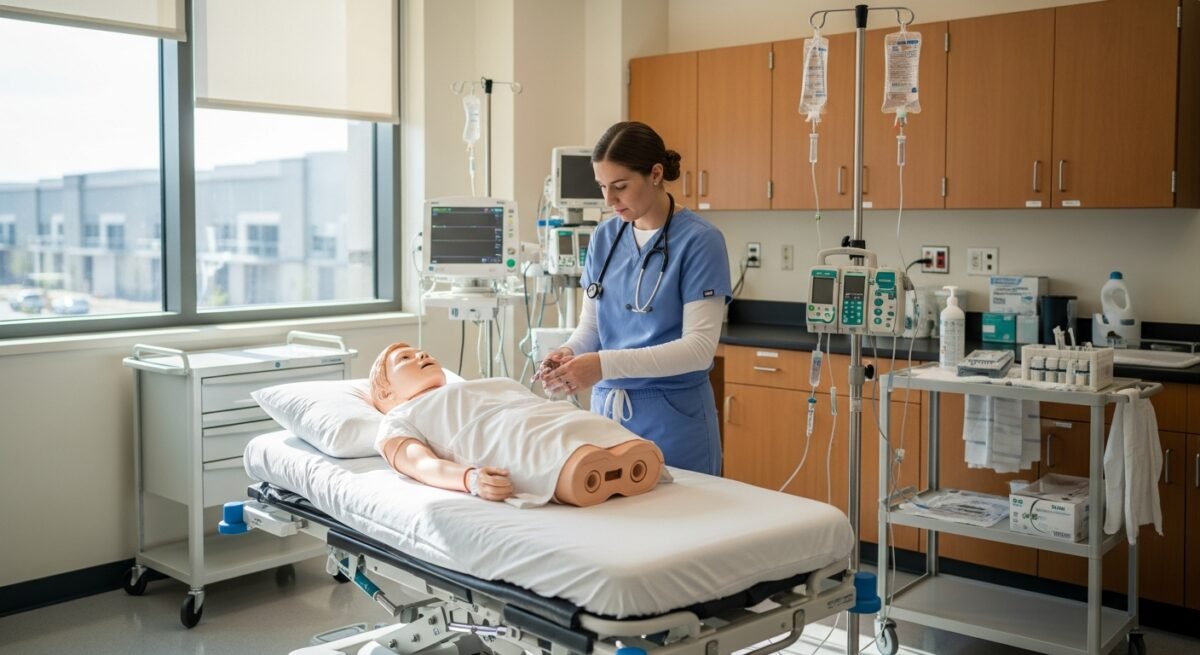
Delving deeper, the BSN curriculum is a carefully crafted blend of theory and practice. The coursework covers a vast array of subjects essential for modern nursing practice. Students engage in classroom learning, simulation lab experiences, and direct patient care during clinical rotations. This multi-faceted approach ensures competency across the cognitive, psychomotor, and affective domains of learning.
The scientific and theoretical foundation is paramount. Courses in anatomy, physiology, microbiology, chemistry, and pathophysiology provide the essential understanding of the human body and disease processes. Pharmacology courses teach students about medications, their effects, and safe administration. Nursing-specific classes then build upon this science, covering topics like health assessment, nursing fundamentals, adult health (medical-surgical nursing), pediatric nursing, obstetric (maternal-newborn) nursing, psychiatric-mental health nursing, community and public health nursing, and nursing research. Furthermore, BSN programs emphasize areas critical for today’s healthcare landscape, including leadership and management, healthcare policy, ethics, and evidence-based practice, which teaches nurses how to integrate current research into their clinical decisions.
The clinical rotation component is the cornerstone of the nursing bachelor degree experience. Under the supervision of clinical instructors and practicing RNs, students apply their classroom knowledge in hospitals, clinics, community health centers, and other facilities. These rotations are not observational, they involve direct, hands-on patient care. A typical sequence of rotations might include:
- Fundamentals: Learning basic nursing skills like vital signs, hygiene, and mobility in a controlled setting.
- Medical-Surgical: Providing care for adult patients with a wide range of acute and chronic illnesses, often considered the backbone of nursing experience.
- Pediatrics: Caring for infants, children, and adolescents in units like general pediatrics or pediatric intensive care.
- Obstetrics/Maternity: Supporting mothers during labor, delivery, and postpartum, and caring for newborns.
- Mental Health: Working in psychiatric units or facilities to provide therapeutic communication and care for patients with mental health conditions.
- Community Health: Focusing on population health, disease prevention, and health education in settings like public health departments or schools.
This diverse clinical exposure is invaluable. It allows students to discover their passions, develop clinical judgment, and transition from student to professional. For those navigating their academic future, exploring STEM college degrees like the BSN can clarify how this rigorous scientific education translates into a stable, high-demand career.
BSN vs. Other Nursing Pathways: ADN and Diploma
Prospective nurses often encounter multiple educational routes to becoming an RN. The two other primary pathways are the Associate Degree in Nursing (ADN), typically a two-year program at a community college, and the hospital-based nursing diploma, a two-to-three-year program that is now less common. All three pathways prepare graduates to take the NCLEX-RN exam and become licensed registered nurses. However, the BSN degree offers distinct and significant advantages that are increasingly important in the healthcare system.
The most evident difference is the length and depth of education. The BSN’s four-year curriculum includes more extensive coursework in areas beyond direct patient care, such as nursing research, public health, leadership, and management. This broader educational scope prepares BSN-prepared nurses for a wider range of roles and responsibilities. In the workplace, this often translates to better preparation for complex patient cases, a stronger foundation for understanding the “why” behind medical interventions, and enhanced skills in care coordination and patient education. Many healthcare organizations, especially major hospital systems and Magnet-designated facilities (which recognize excellence in nursing), actively prefer or even require new hires to have a BSN. This preference is driven by studies, often cited by bodies like the Institute of Medicine, which have linked a higher proportion of BSN-prepared nurses in a hospital to better patient outcomes, including lower mortality rates and fewer medication errors.
Furthermore, career advancement opportunities are markedly greater for those holding a bachelor of nursing. Positions in management, administration, public health, school nursing, and most clinical specialties (like intensive care or oncology) increasingly list a BSN as a minimum requirement. For nurses who wish to pursue an advanced practice role, such as becoming a Nurse Practitioner (NP), Clinical Nurse Specialist (CNS), or Nurse Anesthetist (CRNA), a BSN is an absolute prerequisite for entry into a Master of Science in Nursing (MSN) or Doctor of Nursing Practice (DNP) program. Therefore, while an ADN can be a faster, more affordable entry point into the profession, the BSN is widely recognized as the standard for long-term career growth, leadership, and flexibility in the evolving healthcare field.
Career Outcomes and Advancement with a BSN Degree
Earning a Bachelor of Science in Nursing opens a vast array of career doors. The most common and immediate path is working as a staff registered nurse in a hospital setting, such as on medical-surgical floors, in emergency departments, operating rooms, or intensive care units. However, the scope extends far beyond the hospital walls. BSN-prepared nurses are qualified for diverse roles in outpatient clinics, physician’s offices, community health organizations, schools, corporate wellness programs, home healthcare, and telehealth services. They can also work in non-clinical roles in insurance, pharmaceuticals, medical device sales, or healthcare informatics.
The degree also serves as a powerful springboard for specialization and leadership. With a BSN and some clinical experience, nurses can pursue certifications in specialized areas like oncology (OCN), critical care (CCRN), pediatrics (CPN), or diabetes education (CDE). These certifications demonstrate expertise and can lead to roles in specialty units. For those inclined toward leadership, the BSN is the stepping stone to charge nurse, nurse manager, or director of nursing positions. The emphasis on systems thinking, quality improvement, and evidence-based practice in the BSN curriculum directly prepares nurses for these supervisory roles where they can impact patient care on a unit or organizational level.
Financially, the investment in a BSN often yields a return. While salaries vary greatly by geographic location, healthcare setting, and experience, BSN-prepared nurses frequently command higher starting salaries and have greater earning potential over their careers compared to their ADN-prepared counterparts, especially when moving into specialized or leadership positions. The long-term career trajectory is simply more expansive. Ultimately, a BSN is not just a job ticket, it’s a career accelerator that provides the knowledge, credibility, and flexibility to shape one’s professional journey in nursing for decades to come. For comprehensive guidance on mapping out this journey, prospective students can benefit from degree planning resources that help align educational choices with long-term career goals.
Frequently Asked Questions (FAQs)
What is the difference between a BSN and an RN?
This is a common point of confusion. RN (Registered Nurse) is a professional license granted by a state board of nursing after passing the NCLEX-RN exam. A BSN (Bachelor of Science in Nursing) is an academic degree. You can become an RN with an ADN, diploma, or BSN. The BSN is the degree that prepares you for the RN licensure exam at the bachelor’s level.
Can I work while completing a BSN program?
Many students do work, especially in pre-nursing or during the early semesters. However, the clinical and course load in the final two years is extremely demanding, often resembling a full-time job itself. Many programs strongly discourage or prohibit full-time employment during intensive clinical semesters. Part-time work, often as a nursing assistant or tutor, is more common.
Are there accelerated BSN programs for those who already have a bachelor’s degree in another field?
Yes. Accelerated BSN (ABSN) programs are designed specifically for individuals who hold a non-nursing bachelor’s degree. These intensive programs condense the nursing curriculum, typically into 12-18 months of full-time study, by building upon the student’s previous general education credits.
Is a BSN required to become a nurse?
No, a BSN is not strictly required to become an RN, as ADN and diploma pathways exist. However, the trend in the healthcare industry is strongly toward the BSN as the preferred educational standard. Many hospitals, especially in urban areas and major systems, have policies to hire only BSN-prepared nurses or require ADN nurses to obtain their BSN within a certain timeframe after hire.
What are the prerequisites for entering a BSN program?
Prerequisites vary by school but commonly include college-level courses in human anatomy and physiology (with labs), microbiology, chemistry, statistics, psychology, and developmental psychology. Competitive programs often have minimum GPA requirements for these prerequisite courses, typically around a 3.0 or higher, and may require entrance exams like the TEAS (Test of Essential Academic Skills).
The journey to becoming a nurse through a Bachelor of Science in Nursing program is challenging, demanding dedication, resilience, and a passion for caring. Yet, the reward is a career of immense purpose, stability, and continuous growth. By thoroughly understanding what a Bachelor of Nursing degree entails, from its comprehensive curriculum to its powerful career leverage, you can make an informed decision to invest in an education that will equip you not just for a first job, but for a lifelong profession at the heart of human health and dignity.