
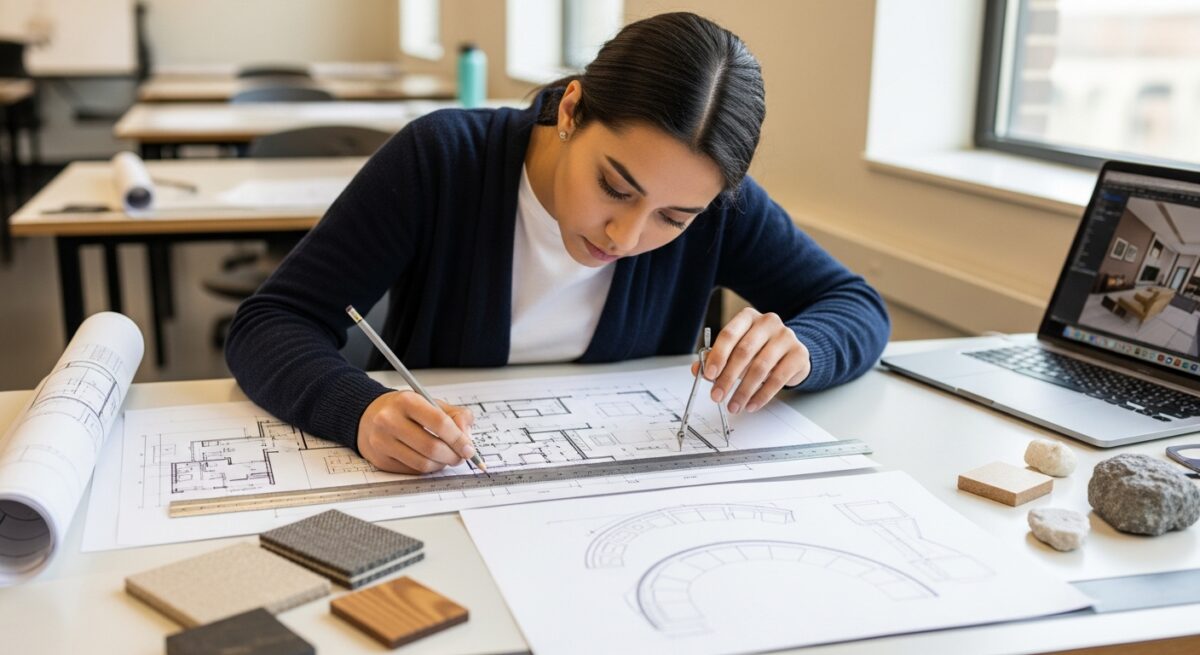
Choosing to pursue a Bachelor of Interior Design degree is a significant commitment to a profession that blends creativity, technical skill, and human psychology. This comprehensive degree serves as the foundational license to practice, transforming a passion for space and aesthetics into a viable, rewarding career. For prospective students and career changers alike, understanding the full scope of this educational journey, from curriculum to licensure and beyond, is crucial. This guide will navigate the essential components of a bachelor of interior design program, illuminate the diverse career paths it unlocks, and provide a realistic roadmap for professional success in a dynamic and competitive field.
What a Bachelor of Interior Design Degree Entails
A Bachelor of Interior Design, often a Bachelor of Fine Arts (BFA) or Bachelor of Science (BS), is typically a four-year, 120-credit program accredited by bodies like the Council for Interior Design Accreditation (CIDA). This accreditation is not merely a stamp of approval, it is a critical marker of quality that ensures the curriculum meets rigorous professional standards, which is often a prerequisite for future licensure. The coursework is intentionally interdisciplinary, demanding both artistic vision and analytical rigor.
The core curriculum is designed to build competency across several key domains. Students engage deeply in design theory and history, studying movements and principles that inform contemporary practice. They master space planning, learning to optimize layouts for functionality, circulation, and code compliance. A substantial portion of the program is dedicated to technical skills: drafting (both hand and computer-aided), 3D modeling and rendering with software like AutoCAD, Revit, and SketchUp, and the specification of materials, finishes, and furnishings. Building systems, such as lighting, acoustics, and environmental controls, are studied alongside building codes, accessibility standards (like the ADA), and sustainability principles. Furthermore, professional practice courses cover business fundamentals, project management, client relations, and ethics, preparing students for the realities of the workplace.
Core Career Paths for Interior Design Graduates
Upon graduation, holders of an interior design degree possess a versatile skill set applicable to numerous specialties. The most direct path is that of a residential or commercial interior designer. Residential designers focus on private homes, creating personalized environments that reflect the client’s lifestyle. Commercial design, a broad category, includes corporate offices, hospitality (hotels, restaurants), retail spaces, healthcare facilities, and educational institutions. Each specialty requires unique knowledge, for example, healthcare design demands expertise in infection control and patient well-being, while corporate design focuses on productivity and brand identity.
Beyond traditional design firms, graduates find opportunities with architecture and engineering firms, where they collaborate on integrated building projects. Many furniture manufacturers and large retailers (e.g., home improvement stores, high-end furniture brands) hire interior designers for showroom design, sales consulting, and product development. Some designers specialize as lighting consultants, kitchen and bath designers, or sustainable design experts. For those with an entrepreneurial spirit, launching a solo practice or small firm is a common and ambitious goal, though it often follows several years of professional experience. The career trajectory typically begins with roles like junior designer or design assistant, progressing to project designer, senior designer, and potentially to design director or principal.
The Essential Steps to Professional Licensure
In many regions, practicing as a professional interior designer requires licensure, which protects public health, safety, and welfare. The process is multi-staged and begins with your education. The first step is graduating from a CIDA-accredited program, as this education is structured to provide the necessary knowledge base. Following graduation, you must gain supervised work experience. The required hours vary by jurisdiction but generally involve working under a licensed interior designer or architect for a period of two or more years. This experience is documented meticulously in a professional portfolio.
The culmination of this process is passing the National Council for Interior Design Qualification (NCIDQ) Examination. This rigorous, multi-part exam tests a candidate’s proficiency in interior design principles, application, and coordination. It is the industry’s recognized benchmark for competency. It is crucial to research the specific requirements in the state or province where you intend to practice, as regulations differ. Some areas have title acts (regulating who can use the title “interior designer”) and others have practice acts (regulating the actual scope of work). Successfully navigating this path to licensure not only expands your legal scope of practice but also significantly enhances your credibility, earning potential, and career mobility.
Building a Competitive Portfolio and Network
In a visual field like interior design, your portfolio is your most powerful professional tool. It is a curated collection of your best work that demonstrates your skills, aesthetic, and problem-solving abilities. A strong portfolio begins in school, include academic projects that show your process from concept sketches and space plans to final renderings and material boards. As you gain professional experience, replace student work with real-world projects, always respecting client confidentiality agreements. A modern portfolio is both digital (a well-designed website is essential) and physical (a high-quality printed book for interviews).
Networking is equally vital for career advancement. Join professional organizations such as the American Society of Interior Designers (ASID), the International Interior Design Association (IIDA), or local chapters. Attend industry events, trade shows (like NeoCon), and continuing education seminars. These connections can lead to mentorship opportunities, job referrals, and collaborations. Furthermore, developing a professional online presence on platforms like LinkedIn and Instagram can attract potential clients and employers by showcasing your work and design philosophy. Remember, your reputation and relationships are long-term career assets.
Financial Planning and Educational Investment
Investing in a bachelor of interior design degree is a significant financial decision. Tuition costs vary widely between public and private institutions, and between on-campus and online design programs. When evaluating programs, look beyond the sticker price. Consider the value of accreditation, faculty industry connections, internship placement rates, and career services support. A key strategy for managing this investment is to thoroughly explore all financial aid & scholarship options. Many schools, professional organizations, and private foundations offer scholarships specifically for design students based on merit, financial need, or demographic factors.
Prospective students should complete the Free Application for Federal Student Aid (FAFSA) to determine eligibility for federal grants, work-study programs, and loans. Some students also benefit from employer tuition reimbursement programs. Creating a realistic budget that accounts for additional expenses like software subscriptions, model-making materials, and portfolio development is crucial. For those balancing work or family commitments, exploring the advantages of design degrees online can provide the flexibility needed to pursue this career path without relocating or leaving a job. A thoughtful financial plan enables you to focus on your studies and build a foundation for a prosperous career.
Frequently Asked Questions
What is the difference between an interior designer and an interior decorator?
This is a fundamental distinction. Interior designers typically hold a bachelor’s degree, complete supervised experience, and often pass a licensing exam (like the NCIDQ) to practice. Their work involves spatial planning, building codes, and structural elements. Interior decorators focus primarily on aesthetics, such as furnishings, color, and accessories, and generally do not require formal licensure, though certification programs exist.
Can I get an interior design degree online?
Yes, many accredited institutions offer online bachelor of interior design programs. These are ideal for working adults or those who need geographic flexibility. It is critical to ensure the online program is CIDA-accredited and includes opportunities for hands-on learning, studio work (often via kits sent to students), and virtual critiques.
What is the job outlook for interior designers?
According to the U.S. Bureau of Labor Statistics, employment of interior designers is projected to grow about as fast as the average for all occupations. Demand is strongest for designers with specialized knowledge in areas like sustainable (green) design, universal design, and healthcare environments, as these address growing societal needs.
What salary can I expect with a bachelor of interior design degree?
Salaries vary based on experience, location, specialty, and whether you work for a firm or are self-employed. Entry-level positions offer a starting salary, while experienced, licensed designers, especially those in managerial roles or owning their own firms, can earn significantly more. Commercial designers often command higher salaries than residential specialists.
Do I need to be good at drawing?
While hand-sketching is a valuable communication tool, modern practice relies heavily on digital software. Proficiency in programs like AutoCAD and Revit is often more critical than exceptional freehand drawing. The ability to conceptualize and communicate ideas, whether by hand or digitally, is what matters most.
Embarking on a career with a Bachelor of Interior Design degree opens a world where you can directly shape human experience through the built environment. It is a path that demands continuous learning, adaptability, and a balance of creative and pragmatic thinking. By choosing an accredited program, diligently pursuing licensure, strategically building your portfolio and network, and planning your educational investment wisely, you lay a solid foundation for a fulfilling and impactful professional life. The journey from student to licensed practitioner is challenging, but for those passionate about creating meaningful spaces, it is an immensely rewarding vocation.