
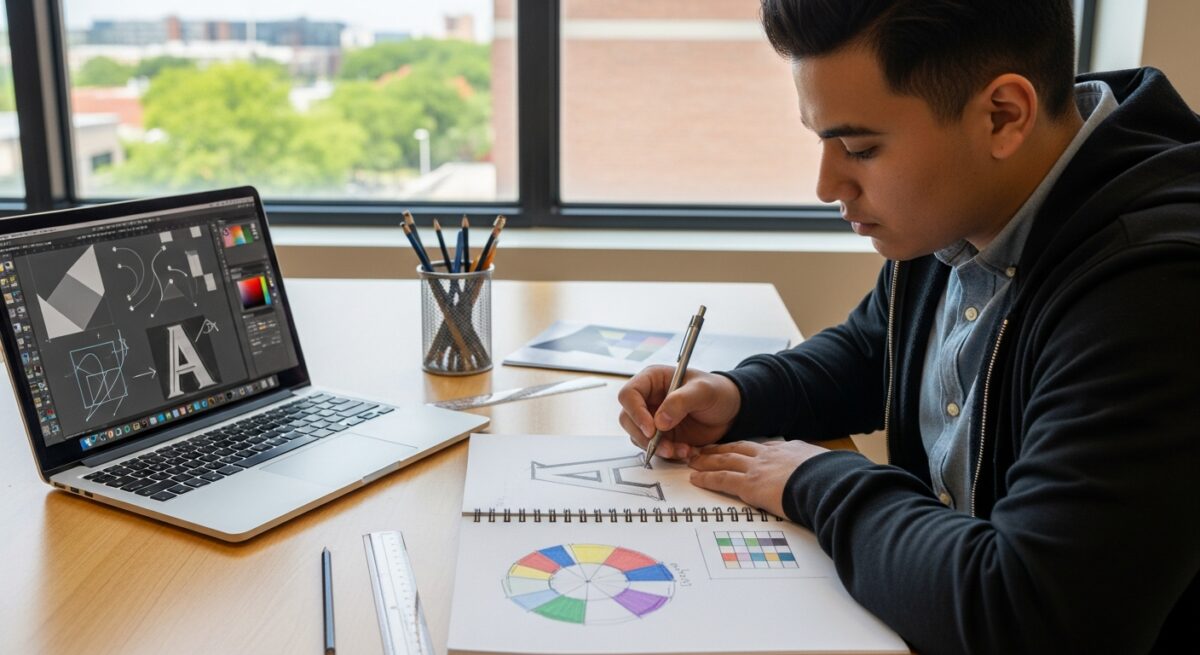
Choosing to pursue a Bachelor of Graphic Design degree is a commitment to transforming creative passion into professional expertise. This comprehensive program is far more than just learning software, it is a rigorous journey into visual communication, problem-solving, and strategic thinking. A graphic design degree curriculum is meticulously structured to build a versatile skill set, from foundational art principles to advanced digital production, preparing graduates for a dynamic and competitive field. Understanding exactly what you will learn in a bachelor of graphic design program is the first step in evaluating if this creative and technical path aligns with your career aspirations and personal growth goals.
Core Foundations: The Bedrock of Visual Communication
Every reputable bachelor of graphic design program begins with a deep immersion into the core principles that govern all effective visual communication. These are not mere rules but the language of design itself. You will spend significant time mastering concepts like typography, color theory, composition, hierarchy, and balance. This phase is crucial, as it builds the critical eye necessary to evaluate and create work that is not only aesthetically pleasing but functionally sound. You will learn why certain typefaces evoke specific emotions, how color combinations influence perception, and how to guide a viewer’s eye through a layout with intentionality. This foundational year often includes hands-on studio courses in drawing, 2D and 3D design, and art history, providing the essential cultural and technical context for all future design work. It’s the stage where you move from having an opinion about what “looks good” to being able to articulate and execute design decisions based on proven principles.
Technical Proficiency: Mastering the Tools of the Trade
While creativity is paramount, a modern graphic design career path demands fluency in industry-standard software. A key component of what you will learn is technical proficiency across the Adobe Creative Suite and other relevant platforms. Courses will provide structured, project-based training in applications like Photoshop for image manipulation and raster graphics, Illustrator for vector-based illustration and logo design, and InDesign for multi-page layout and publishing. However, a strong program teaches these not as isolated tools, but as integrated components of a workflow. You will learn how to move assets seamlessly between applications, prepare files for various outputs (print, web, mobile), and understand technical specifications like resolution, color modes (CMYK vs. RGB), and bleed. Beyond static design, many programs now incorporate motion graphics fundamentals with tools like After Effects, and introduce user interface (UI) prototyping with software such as Figma or Adobe XD. This technical toolkit is what allows you to bring your conceptual ideas to life in a professional, polished format.
The Design Process: From Concept to Final Product
Perhaps the most critical transformation in a graphic design degree is the internalization of a professional design process. You will learn to move beyond creating something that simply looks attractive to solving a specific communication problem for a defined audience. This process typically involves several key stages: research and discovery, brainstorming and conceptualization, sketching and iteration, refinement, presentation, and final production. Courses will train you to start every project with questions: Who is the audience? What is the message? What is the context? What action should the viewer take? You will develop skills in creating mood boards, wireframes, and multiple drafts, learning that the first idea is rarely the best. Critique, or “crit,” sessions become a central learning method, where you present your work to peers and instructors, defend your choices, and learn to give and receive constructive feedback. This iterative, problem-solving mindset is what distinguishes a professional designer from a hobbyist and is a central pillar of the educational experience. For students considering flexible learning options, exploring the advantages of design degrees online can reveal how this rigorous process is effectively taught in digital classrooms.
Specialized Knowledge and Advanced Applications
As you progress through the bachelor of graphic design curriculum, you will encounter opportunities to specialize and apply foundational skills to specific domains. This is where the degree’s depth becomes apparent, preparing you for niche areas within the broad field. Common specializations and advanced topics include branding and identity design, where you learn to create cohesive visual systems for companies, packaging design, which merges graphic design with structural and material considerations, web and interactive design, focusing on user experience (UX) principles and responsive layouts, and publication design for magazines, books, and reports. You may also delve into areas like environmental graphics, advertising, or data visualization. These advanced courses often simulate real-world client projects or are structured as intensive studio classes. They require you to integrate all prior learning, manage more complex projects, and consider broader business and marketing objectives. This specialization helps you begin to carve out your unique place in the design industry and build a portfolio with focused, high-quality work.
Building a Professional Identity: Portfolio and Career Preparation
A degree is validated by the portfolio it enables you to build. Therefore, a significant portion of what you will learn in a bachelor of graphic design program is directed toward professional development. Capstone courses are dedicated to curating, refining, and presenting a professional portfolio. You will learn how to select your strongest work, document it professionally, write compelling project descriptions, and tailor your portfolio for different job opportunities, such as in-house design roles versus agency work. Equally important are the ancillary skills taught: crafting resumes and cover letters for creative fields, developing a personal brand and online presence, understanding freelance business basics like invoicing and contracts, and navigating the job search process. Many programs offer courses or workshops on design ethics, sustainable design practices, and current industry trends. This holistic approach ensures that upon graduation, you are not just a skilled designer, but a prepared professional ready to enter the workforce, whether you pursue traditional degree programs online or on-campus studies.
Frequently Asked Questions
Do I need to be good at drawing for a graphic design degree?
While exceptional drawing skills are not a strict requirement, strong visual communication skills are. You should be comfortable sketching ideas and concepts. Many programs include drawing fundamentals to build this skill. The focus is more on conceptual thinking and software proficiency than fine art drawing.
What is the difference between a Bachelor of Arts (BA) and a Bachelor of Fine Arts (BFA) in Graphic Design?
A BFA is typically a more intensive, studio-focused degree with a higher concentration of design courses and fewer general education requirements. It is often considered the professional standard for designers. A BA usually includes more liberal arts courses alongside the design curriculum, offering a broader educational base.
What kind of jobs can I get with this degree?
Graduates pursue roles such as Graphic Designer, UI/UX Designer, Art Director, Creative Director, Brand Identity Designer, Packaging Designer, Publication Designer, Marketing Specialist, and Web Designer. Opportunities exist in design agencies, corporate in-house teams, publishing houses, non-profits, and as freelancers.
Is a graphic design degree worth it when so many resources are available online?
A structured degree provides a comprehensive, sequential curriculum, access to expert faculty mentorship, critical peer feedback, networking opportunities, and accredited credential that many employers value. It offers a disciplined path to building a robust portfolio and a deep understanding of theory that self-study often misses.
What should I look for in a strong graphic design program?
Key factors include a curriculum that balances theory, technical skills, and professional practice, faculty with current industry experience, access to up-to-date software and facilities, a strong focus on portfolio development, and opportunities for internships or real-world projects. Accreditation is also an important marker of quality.
Embarking on a bachelor of graphic design degree is an investment in developing a multifaceted skill set that blends artistry with analysis and creativity with strategy. The journey equips you not only with the technical ability to execute ideas but, more importantly, with the conceptual framework to generate meaningful, effective visual solutions. From mastering the nuances of typography to presenting a polished portfolio, the learning outcomes are designed to forge adaptable, thoughtful designers ready to shape the visual landscape. This degree provides the structured pathway, critical feedback, and professional foundation necessary to launch a successful and fulfilling design career path.